
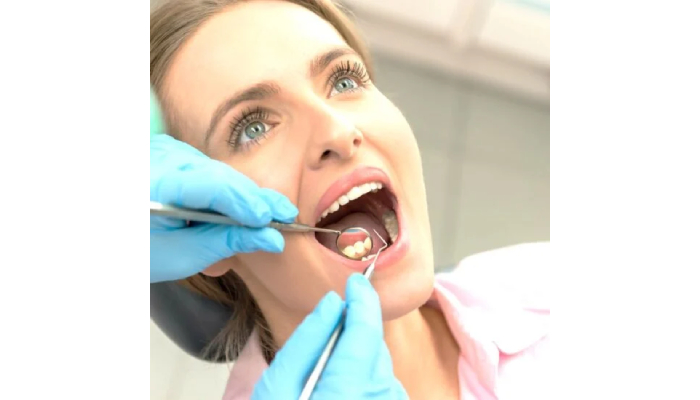
Caring for your Houston veneers after placement is key to ensuring they stay stunning and last long! First, maintain your oral hygiene by brushing at least twice a day with a soft-bristled toothbrush and fluoride toothpaste. Flossing daily is also crucial to eliminate plaque and food particles hiding around your veneers. Be mindful of staining foods like coffee, tea, and red wine; if you indulge, don’t forget to brush afterwards! Applying a protective sealant weekly can help prevent stains as well. Additionally, protect those beautiful veneers, avoid hard foods that might chip them and keep up with regular dental checkups for maintenance.
1. Use a Sealant for Extra Protection
Using a sealant on your Houston veneers can significantly enhance their durability and aesthetic appeal. Start by consulting your dentist to find the best sealant options tailored for your specific veneers. It’s generally recommended to apply the sealant every six months, ensuring that your veneers stay protected from stains and wear. When you apply the sealant, make sure the surface of your veneers is clean and dry, as this helps the sealant adhere better. Before reapplying, check for any chips or cracks that may need attention. You can choose a sealant that’s easy to use at home, or opt for a professional application if you prefer. Keep an eye on the sealant layer for any signs of wear, and reapply as necessary. Additionally, be mindful to avoid areas where the sealant might chip or wear down quickly, such as edges or corners. Don’t hesitate to ask your dentist for tips on maintaining sealants effectively, as this extra step can greatly prolong the life of your beautiful veneers.
2. Protect Your Veneers from Damage
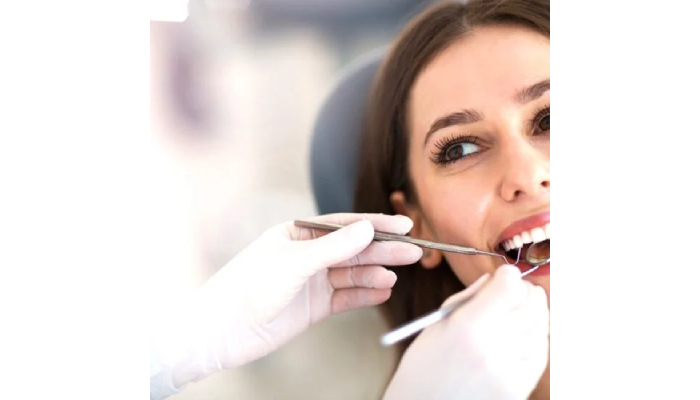
When it comes to protecting your veneers, a little caution goes a long way. Avoid using your teeth as tools; for instance, don’t bite down on hard objects like ice or pens, as this can chip or crack your veneers. If you play sports, wearing a mouthguard is a smart move to shield your smile from accidental impacts. Be mindful of crunchy snacks like popcorn or hard candies, which can pose a risk to your veneers. If you have a habit of grinding your teeth at night, it’s worth discussing a night guard with your dentist to prevent damage while you sleep. Additionally, steer clear of chewing on your nails or any non-food items, as these can lead to unexpected wear and tear. When enjoying hard foods, cut them into smaller pieces first to lessen the strain on your veneers. Remember, your teeth are not meant to open bottles or packages, so always use utensils instead. Regularly checking your veneers for signs of wear or cracks will help you catch any issues early on, allowing you to maintain that beautiful smile for years to come.
- Avoid using your teeth to bite down on hard objects, like ice or pens.
- Use a mouthguard when playing sports to prevent accidental impacts.
- Be cautious with crunchy snacks like popcorn or hard candies.
- If you grind your teeth at night, discuss a night guard with your dentist.
- Avoid chewing on your nails or any non-food items.
- If you’re eating something hard, cut it into smaller pieces first.
- Avoid using your teeth to open bottles or packages.
- Be mindful of your oral habits and avoid any harmful practices.
- Use utensils instead of your teeth for cutting or opening.
- Regularly check your veneers for any signs of wear or cracks.
3. Regular Dental Checkups Are Essential
Regular dental checkups are crucial for the health and longevity of your veneers. Aim to schedule appointments at least every six months to allow your dentist to monitor the condition of your veneers. During these visits, your dentist will check for any signs of damage or wear, ensuring that your veneers continue to look their best. Professional cleanings play a vital role in removing plaque and tartar buildup that can affect both your veneers and your overall dental health. This is also a great opportunity to ask your dentist for specific advice tailored to your situation. If you notice any changes in your veneers or oral health, be sure to document them and bring them up during your visit. Communication is key, so don’t hesitate to express any concerns or questions regarding your veneers. Additionally, consider scheduling dental cleanings just before significant events to keep your smile bright and fresh. Use these checkups as a chance to inquire about new products or techniques for caring for your veneers, and discuss your oral hygiene routine to get feedback from your dentist. Keeping track of your dental visits will ensure you stay on schedule and maintain that beautiful smile.
4. Be Mindful of Acidic Foods
Acidic foods can be sneaky culprits when it comes to your veneers. It’s essential to limit your intake of citrus fruits like oranges and lemons, as their acidity can erode the enamel over time. After enjoying these tangy treats, rinse your mouth with water to help neutralize the acids. If you’re sipping on acidic beverages, consider using a straw to minimize contact with your veneers. This simple trick can be a game changer!
Always wait at least 30 minutes after eating acidic foods before brushing your teeth, as this allows your enamel to recover. When snacking, think low-acid options like bananas or apples to keep your veneers shining bright. It’s also wise to steer clear of vinegar-based dressings on salads, as they can harm your veneers.
Don’t forget about carbonated drinks; they can be acidic too! Make it a habit to educate yourself about hidden acids in processed foods, so you can make better choices. If you’re concerned about your enamel, consider taking a calcium supplement to help strengthen it. Lastly, discussing your diet with your dentist can provide personalized advice to better protect your veneers.
5. Repair or Replace When Necessary
If you notice any chips or cracks in your veneers, don’t wait, consult your dentist immediately for repair options. Early intervention can prevent further damage and save you from more costly repairs down the road. Veneers typically last between 10 to 15 years, but signs of wear can include discoloration or a change in fit. If your veneers become discolored, ask your dentist about professional cleaning or whether a replacement is needed. It’s important to understand the costs associated with repairs versus full replacements, as they can vary significantly based on the materials used. Keeping your dentist informed about any changes in appearance or comfort is key to maintaining your smile. Be proactive about seeking repairs; the sooner you address issues, the easier they are to fix. Additionally, consider the type of material your veneers are made from, some materials may require different maintenance practices. Always check with your dentist about any warranties on your veneers, as this can provide peace of mind. Regular follow-ups can help catch issues early, making repairs less complicated. If you’re ever unsure about your dentist’s recommendations, don’t hesitate to seek a second opinion. Your smile is worth it!
6. Avoid Whitening Products on Veneers
Whitening products can be tempting, especially if you’re looking to brighten your smile. However, they can lead to uneven coloring on your veneers, making them look less appealing. To keep your veneers looking their best, it’s crucial to choose non-whitening toothpaste. This simple switch helps maintain the original color of your veneers without risking discoloration. If you’ve used any whitening products, be sure to inform your dentist during your next visit. They can guide you on safe options for achieving a brighter smile without damaging your veneers.
It’s essential to understand that veneers themselves do not respond to whitening treatments, which means traditional whitening methods won’t work. Avoid DIY hacks that could harm your veneers, as harsh substances can lead to irreversible damage. If you’re worried about discoloration, share your concerns with your dentist. They can offer tailored advice and alternative solutions to enhance your smile without jeopardizing your veneers. Instead of harsh whitening agents, consider using a gentle polishing paste specifically designed for veneers. This way, you can keep your smile bright and beautiful without the risks associated with whitening products.