
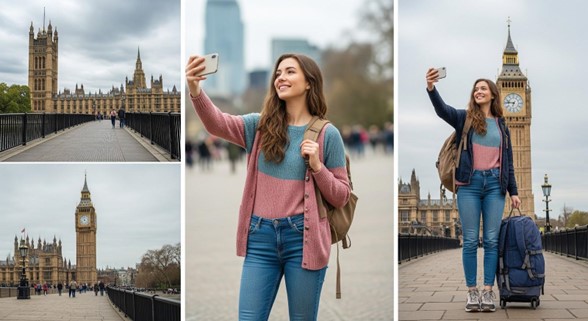
Guidebooks or extensive research have always been the starting point of a journey, but these days, a journey can be inspired by a single swipe. A catchy video can get a person to throw on a backpack within a few hours, just to go to a hidden beach or a small cafe they saw on their feed. TikTok has become an unedited, rapid-paced travel catalogue, where authenticity is prioritised over elegance. The resources viewers use to see the places are no longer tourism boards and glossy magazines, but uncensored, first-hand shots of the same places, filmed in real time by the creators.
The greatest change is in impulsive travel. Short videos are an instant draw and are likely to convince the audience to explore the uncharted or revisit places they had forgotten. As TikTok viral hotel deals have become a daily routine, it is no longer unusual for travellers to book a hotel room just because they have watched an irresistible video featuring a unique property or an unbelievable discount. This has led to a more adventurous and flexible mode of travel in the UK.
From Hashtags to Hidden Gems
A new place acquires overnight fame every few weeks. A tiny seaside resort in Cornwall can be overrun with people in pursuit of a hot ice cream shop one month; the next, an old-fashioned inn in Yorkshire can go viral. Hashtags are digital breadcrumbs, helping explorers to find hidden treasures. The field of travel journalism has become a collective effort by average users who record their findings on camera.
This increase in user-generated storytelling has prompted local tourism boards to rethink how they advertise attractions. Rather than using official campaigns, most now partner with creators who convey authenticity through handheld shots, natural light, and candid responses.
How Local Economies Are Benefiting
Small businesses are experiencing changes. Family-run attractions, single cafes, and boutique guesthouses become trending videos and popular. A single clip can create a weekend rush; otherwise, it would have taken months to reach the same level of success through conventional advertising. This outburst of interest in rural areas and in less popular towns may lead to long-term development, as returning customers can post their own videos and comments.
The local authorities are also changing. The majority of them are currently monitoring online traffic to foresee a traffic boom and arrange transportation or security. This renders social media as a promotional and forecasting tool.
The Influence of Visual Storytelling
The TikTok algorithm prioritises creativity over perfection, transforming how destinations are represented. Instead of sweeping drone shots or edited voiceovers, viewers relate to the bits of video that capture real-life reactions: laughter as one navigates the narrow streets, awe at a sunrise, or spontaneous dances in front of the famous sites. The emotional impact of these scenes fosters a sense of closeness between artist and audience, making viewers and actors indistinguishable.
Due to this change, many travellers want to experience what is more personal than performative. It is not about visiting the sights anymore; it is about experiencing the place’s mood.
Shaping Travel Decisions
Traditional advertisements depended on the persuasive text and flawless images. On the other hand, the contemporary world is more concerned with relatability. When the audience watches someone have an unexpected adventure, e.g., a rainy afternoon in Edinburgh transformed into an impromptu food crawl, they are more likely to believe a personal recommendation than a paid advertisement.
Travellers are always influenced by their peers, but with TikTok, it has become much faster. Recommendations are shared at an unimaginable pace, and curious music, filters, and storytelling styles complement them. Customers no longer turn the pages of a travel guide; instead, they interact with content that responds to their interests nearly in real time.
A New Age of Exploration
Britons are now venturing nearer to home with renewed vigour. TikTok has given a generation the desire to look at the world around them with new eyes, whether by seeking out a strange museum in the Midlands or chasing waterfalls in the Highlands. The platform has turned simple clips into a catalyst, turning weekends into miniature adventures.
Such transformation is not a mere fad. It shows how creativity, community, and curiosity interact to rebuild the meaning of travel. The new traveller places more emphasis on connection than distance, on narrative rather than spectacle, and on authenticity rather than perfection. In that regard, TikTok has not only altered the way people travel but also the reasons they do.