
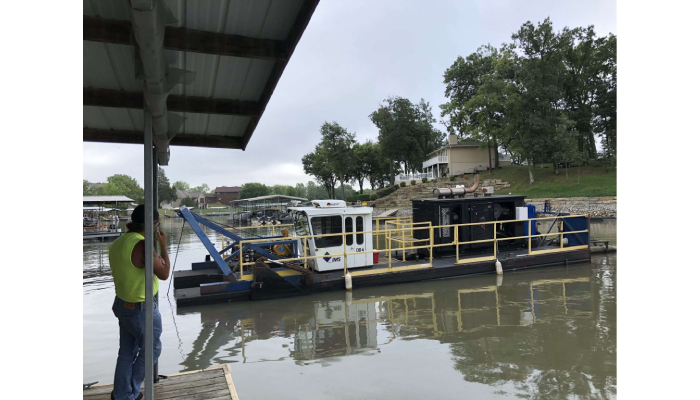
Lake dredging plays a crucial role in maintaining healthy lakes and ponds by removing excess sediment, muck, and debris from the bottom. This process not only restores the body of water’s depth but also improves its overall quality, benefiting aquatic life. Dredging is essential for preventing unpleasant odors and excessive algae growth that make recreational activities less enjoyable. Various types of dredging equipment exist: hydraulic dredges efficiently suction materials, mechanical dredges focus on precise scooping, while cutter suction dredgers handle heavy-duty tasks effectively. It’s important to understand equipment choices and maintenance to ensure successful dredging outcomes for both environmental health and aesthetics alike.
1. What is Lake Dredging?
Lake dredging equipment is an exciting and essential process that involves removing unwanted materials from the bottom of lakes, such as silt, mud, and debris. This method plays a pivotal role in enhancing water clarity and quality, preventing stagnation, and ensuring a vibrant ecosystem. By restoring the lake’s original depth, dredging makes it more suitable for recreational activities like boating and fishing. Additionally, it can help tackle the challenges posed by invasive aquatic plants that disrupt local habitats.
Different lakes have unique needs, and understanding these is crucial before starting a dredging project. The methods used can vary widely, tailored to the size of the lake and the type of sediment present. For example, hydraulic dredges are great for moving large amounts of material efficiently, while mechanical dredges provide precision in tight areas. Moreover, the materials dredged can often be repurposed for land reclamation or construction, showcasing the versatility of this process. Regular dredging can also be a proactive approach to mitigate flooding risks during heavy rainfall, making it a vital practice for many communities. Overall, lake dredging not only enhances aesthetic appeal but also contributes significantly to healthier aquatic ecosystems.
2. Why Dredging Matters for Lakes?
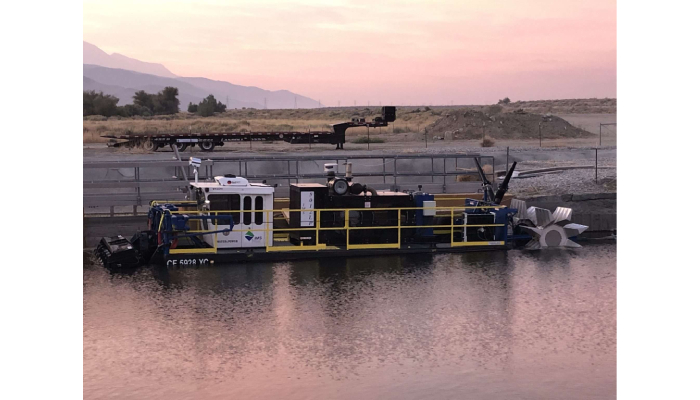
Dredging is crucial for maintaining the health and balance of lake ecosystems. It enhances water flow and circulation, which is vital for aquatic life. By regularly removing excess sediment and nutrients, dredging helps prevent harmful algal blooms that can choke the life out of a water body. This process not only preserves fish habitats by keeping the lake bottom clean and navigable, but it also improves recreational opportunities for activities like fishing, boating, and swimming. Furthermore, dredging contributes to protecting surrounding lands from erosion and degradation by managing sediment effectively. The material removed can be analyzed and reused in landscaping or construction, ensuring it doesn’t contaminate the water. In addition, dredging plays a significant role in flood control by maintaining appropriate water levels. More than just an environmental necessity, regular dredging can revitalize local economies by attracting tourism and recreational activities, making lakes vibrant community hubs.
3. Types of Dredging Equipment Explained
Dredging equipment comes in various types, each tailored for specific tasks and environments. Hydraulic dredges are fantastic for removing large amounts of sediment and can easily work in deeper waters, making them a go-to choice for extensive projects. Mechanical dredges, on the other hand, shine in smaller settings where accuracy is key, like marinas, ensuring that the job is done with precision. For tougher materials, cutter suction dredgers (CSDs) are unbeatable; they cut through compacted sediment before suctioning it up, making them ideal for heavy-duty tasks.
In large-scale operations, hopper dredgers are the heavyweights, typically found in ports and industrial sites, where they transport dredged material in a large hopper. Dredge barges offer versatility, designed for transporting dredged materials over long distances, adapting to various project needs. For those who need to enhance their dredging capabilities, dredge attachments can be fitted to standard equipment for specialized tasks, like effectively removing aquatic weeds.
Environmental dredging equipment is specially crafted to minimize disturbance to the surrounding ecosystem, ensuring that the dredging process is as gentle as possible. Emerging technologies like robotic dredgers are making waves as they can operate efficiently in hard-to-reach areas, reducing the need for human intervention. Vacuum dredgers, with their suction capabilities, are perfect for smaller ponds and lakes, allowing homeowners to tackle smaller projects effectively. In some cases, custom-built dredging equipment is necessary to meet unique project demands, ensuring all specific requirements are satisfied.
4. Key Parts of Dredging Equipment
Dredging equipment is made up of several key components that work together to ensure efficient operation. First, dredge pumps are vital, as they move the dredged material from the lakebed to disposal sites with speed and effectiveness. Without them, the process would be painfully slow. Next, cutter heads play a crucial role by breaking up tough materials, allowing for smoother suction and easier removal of sediment.
Hoses and pipes are equally important, as they transport the dredged material. Regular maintenance is necessary to prevent blockages that could slow down the operation. Control systems add another layer of sophistication, managing the equipment’s operation and ensuring everything runs safely and optimally. Buoys are essential for marking the dredging area, keeping other boats at a safe distance, which is critical for safety during operations.
Dredge anchors secure the equipment in place, preventing unwanted movement while dredging, which can lead to inefficiencies or even accidents. Discharge systems handle the release of the dredged material at designated sites, making sure everything is deposited where it should be. Monitoring systems offer real-time data on the dredging depth and material type, assisting operators in making informed decisions. Finally, skimmers can clear floating debris or contaminants from the water surface during dredging, helping maintain water quality. Safety gear is a must for operators, ensuring they are protected in what can be a hazardous environment.
5. Popular Dredging Equipment Options
When it comes to lake dredging, a variety of equipment options cater to different needs and project scopes. Portable suction dredges are a favorite for small-scale projects, as they are easy to use and highly mobile, making them ideal for homeowners looking to spruce up their ponds or lakes. For those who prefer a blend of traditional and modern methods, excavator-mounted dredges offer remarkable versatility, allowing operators to dig and dredge simultaneously, which can be a game-changer in multi-tasking scenarios.
In more challenging environments, remote-operated dredges shine by keeping operators at a safe distance from hazardous conditions, ensuring safety while still getting the job done efficiently. Meanwhile, electric dredges are gaining popularity for their eco-friendly features, producing lower emissions and quieter operations, which is a win for both the environment and nearby wildlife.
Stability is crucial in any dredging operation, and dredge pontoons provide a solid base for floating equipment. Multi-purpose dredges are incredibly handy, capable of handling not just sediment removal but also debris cleaning and aquatic plant management, making them an all-in-one solution for various tasks.
For residential settings or small ponds, compact dredges are designed to fit into tight spaces, ensuring that even the smallest bodies of water can be effectively maintained. On the other hand, specialty dredges are tailored for unique needs, like dredging in contaminated waters or targeting specific types of sediment, which can be essential for specialized projects.
Transporting dredging equipment is another aspect to consider, and dredge trailers make it easier to move gear between job sites, enhancing flexibility and efficiency. Finally, in large-scale projects, automated dredging systems are making waves by improving efficiency and reducing labor costs, allowing for a more streamlined approach to dredging.
6. Environmental Regulations for Dredging
Before diving into any dredging project, it’s crucial to understand that permits are often a requirement. These permits ensure that the project complies with local laws and regulations, preventing any legal setbacks. In many cases, an environmental impact assessment is also necessary. This assessment evaluates how the dredging might affect local wildlife and habitats, helping to safeguard the ecosystem.
Dredging operations must follow strict guidelines to protect water quality and minimize turbidity, which is the cloudiness in water caused by suspended particles. This is vital for maintaining a healthy aquatic environment, as excessive turbidity can harm fish and other marine life. Keep in mind that regulations can differ significantly at local, state, and federal levels, so thorough research is essential before starting your project.
If dredging involves contaminated sediment, there are even stricter protocols to follow. These protocols aim to prevent the further pollution of the water body, ensuring that the dredging process does not worsen the existing issues. Implementing best management practices is key to minimizing the environmental footprint of dredging activities.
Additionally, monitoring programs may be required after the project to assess the impact on local ecosystems. These programs help to evaluate whether the dredging has caused any unforeseen harm. It’s also wise to develop restoration plans to rehabilitate the areas that have been dredged, enhancing environmental sustainability. Buffer zones might be established around sensitive areas to protect them from disturbance during dredging operations.
Collaborating with environmental agencies can provide valuable guidance and support throughout this process, helping ensure that the project aligns with all regulatory requirements and environmental best practices.
- Permits are typically required before any dredging project can commence, ensuring compliance with local laws.
- Environmental impact assessments may be necessary to evaluate potential effects on wildlife and habitats.
- Dredging activities must adhere to guidelines for protecting water quality and minimizing turbidity during operations.
- Local, state, and federal regulations can vary significantly, so it’s essential to research before starting a project.
- Dredging of contaminated sediment must follow strict protocols to prevent further pollution of the water body.
- Best management practices should be implemented to reduce the environmental footprint of dredging activities.
- Monitoring programs may be required to assess the impact of dredging on local ecosystems post-project.
- Restoration plans should be developed to rehabilitate dredged areas and enhance environmental sustainability.
- Buffer zones may be established to protect sensitive areas from disturbance during dredging operations.
- Collaboration with environmental agencies can provide valuable guidance and support throughout the dredging process.
7. Benefits of Dredging for Ecosystems
Dredging provides a wealth of benefits for aquatic ecosystems. By restoring natural water flow patterns, it enhances habitat connectivity, allowing fish and other aquatic life to thrive. The removal of old, stagnant sediment not only replenishes nutrients in the lake but also promotes oxygen circulation, creating a vibrant environment for all forms of life. Furthermore, dredging helps eliminate harmful pollutants, leading to healthier habitats for wildlife. It can also create deeper areas that serve as refuges for fish and other organisms during extreme weather conditions, ensuring their survival.
The process enhances biodiversity by introducing varied habitats within the lake, which can support a wider range of species. In addition, by disrupting the habitats of invasive species, dredging can significantly reduce their spread, helping native species flourish. Moreover, the act of dredging can prevent fish kills caused by low oxygen levels, particularly during hot summer months when oxygen depletion is a concern.
Not only does dredging improve the ecosystem, but it also offers opportunities for community involvement and educational programs focused on lake health initiatives. By engaging the public in these efforts, communities can foster a deeper connection with their local waterways, ensuring ongoing support for conservation and restoration efforts.
8. How to Maintain Dredging Equipment?
To keep dredging equipment running smoothly, regular maintenance is essential. Schedule routine inspections to catch any wear and tear before they turn into major issues. After each use, clean the equipment to prevent sediment build-up and corrosion, which can significantly impact performance. Lubricating moving parts is crucial for ensuring everything operates smoothly and to minimize wear over time. Don’t forget to replace worn-out components promptly; this action not only boosts efficiency but also enhances safety.
It’s also vital to calibrate control systems to ensure accurate monitoring and operation of the equipment. Training operators on proper maintenance procedures can greatly extend the life of the equipment. When not in use, store dredging tools in a dry, covered area to protect them from the elements. Keeping a detailed log of maintenance activities helps track the equipment’s history and can highlight patterns that might need attention. Always use compatible fluids and fuels to avoid damaging systems and ensure optimal performance. Establishing a maintenance schedule based on usage will help keep the equipment in top shape, ready for the next project.