
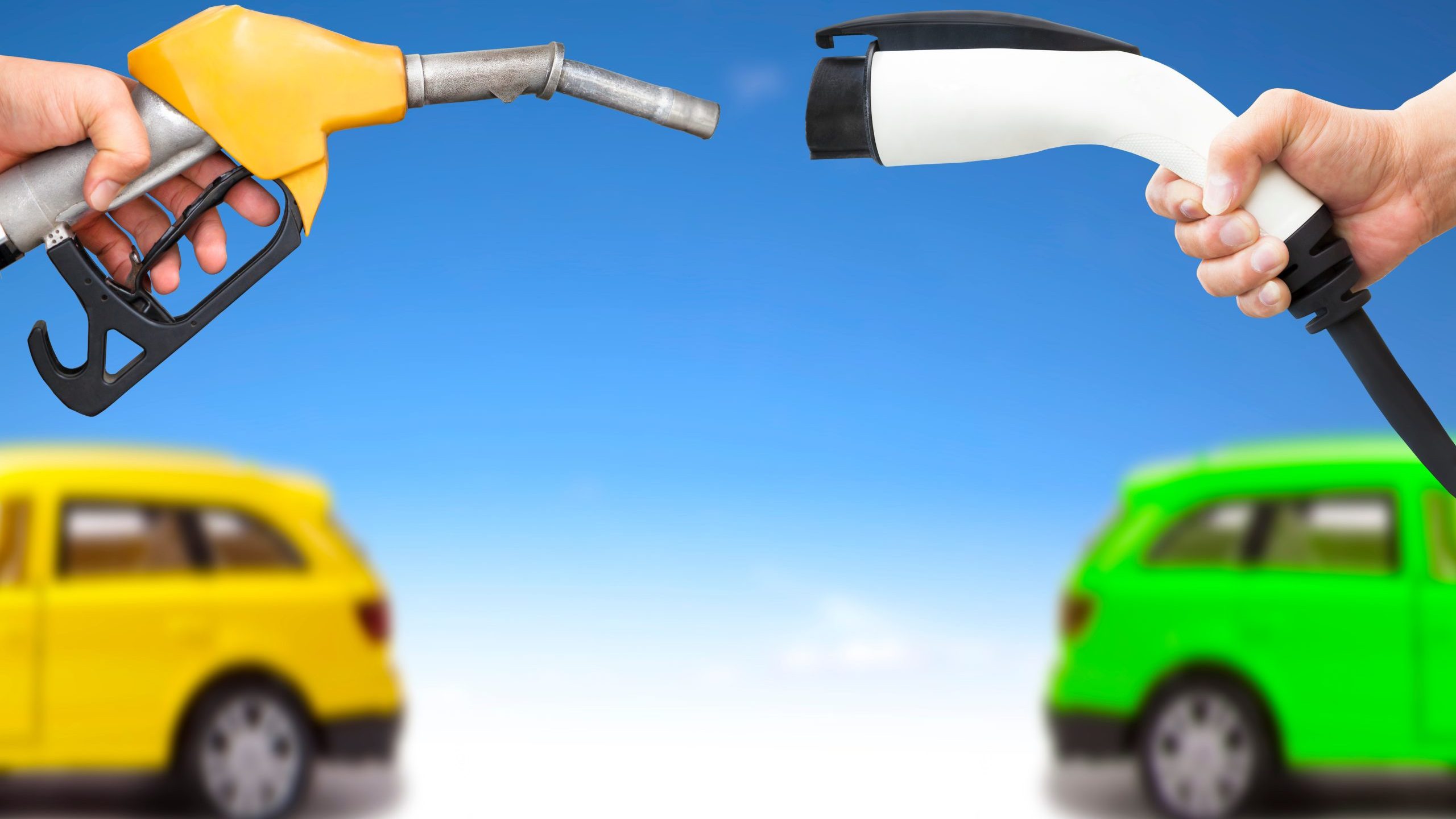
As electric vehicles (EVs) continue to grow in popularity, more drivers are comparing what it takes to maintain an electric car versus a traditional gas-powered one. Beyond environmental benefits and fuel savings, one of the biggest questions new EV owners ask is: Are electric cars cheaper and easier to maintain?
This guide explores the key differences between electric car maintenance vs gas car maintenance, highlighting costs, service schedules, and what to expect as an EV owner. By understanding these differences, you can make a more informed decision about which vehicle suits your lifestyle and budget.
The Core Difference: What’s Under the Hood
The most significant distinction between electric and gas vehicles is how they’re powered.
-
Gas cars rely on internal combustion engines that burn fuel, producing power—and lots of moving parts.
-
Electric cars use battery packs and electric motors, with far fewer components that require servicing.
This mechanical simplicity gives electric vehicles a major edge in long-term maintenance costs and reliability.
Key Maintenance Differences: Electric vs Gas Cars
| Component | Electric Cars | Gas Cars |
|---|---|---|
| Engine | Electric motor with few moving parts | Complex combustion engine with hundreds of parts |
| Oil Changes | None required | Every 3,000–7,000 miles |
| Transmission | Single-speed gearbox | Multi-gear system requiring fluid changes |
| Brakes | Regenerative braking extends pad life | Standard braking; pads and rotors wear faster |
| Cooling System | Battery coolant check (rare) | Radiator, coolant flushes, and thermostat maintenance |
| Fuel System | None | Fuel filters, injectors, and pumps require service |
| Exhaust System | None | Mufflers, catalytic converters, and exhaust pipes |
| Battery | High-voltage lithium-ion battery | 12V starter battery, easy to replace |
| Emissions Testing | Not needed | Required regularly in most regions |
Electric cars have significantly fewer maintenance points than their gas-powered counterparts—meaning fewer repairs, less downtime, and lower running costs over time.
Common Maintenance for Electric Cars
While EVs are often called “low-maintenance,” they still require routine care to ensure performance and longevity.
Here’s what typical electric car maintenance looks like:
-
Tire Rotations and Alignments
EVs are heavier due to battery weight, so rotating tires every 6,000–8,000 miles is crucial for even wear. -
Brake System Check
Regenerative braking reduces wear, but brake fluid still needs periodic inspection and replacement. -
Battery Health Monitoring
The battery is the heart of an EV. Regular software diagnostics help monitor its efficiency and range. -
Coolant Replacement
Some EVs use coolant to manage battery temperature. Replacement intervals vary, often every 100,000 miles or more. -
Cabin Air Filter and HVAC Maintenance
Clean air filters keep interior air fresh and systems efficient—simple but essential upkeep. -
Software Updates
EVs frequently receive over-the-air updates that improve performance, safety, and energy efficiency—no mechanic required. -
Charging Port Cleaning
Occasionally check your charging connector for dust or corrosion to ensure safe, efficient charging.
For EV owners looking to optimize convenience, learning How to Install a Level 2 EV Charger at Home can make daily charging faster and easier while extending your battery’s health through consistent energy management.
Common Maintenance for Gas Cars
Gas-powered vehicles demand more frequent and complex servicing due to the number of components in the engine and exhaust systems.
Typical gas car maintenance includes:
-
Oil and Filter Changes – Needed every few thousand miles to prevent engine wear.
-
Spark Plugs and Ignition System – Require replacement periodically to maintain combustion efficiency.
-
Transmission Fluid Changes – Keep gears running smoothly and prevent costly damage.
-
Brake Pads and Rotors – Wear out faster since gas cars rely entirely on friction braking.
-
Coolant and Radiator Flushes – Prevent overheating and corrosion.
-
Timing Belts and Hoses – Require regular inspection and replacement to avoid engine failure.
-
Exhaust System Maintenance – Mufflers, catalytic converters, and pipes are prone to rust and leaks.
These recurring services not only cost more but also require more time in the shop compared to EV maintenance.
Maintenance Costs: Electric vs Gas Cars
When comparing lifetime maintenance expenses, electric cars generally come out ahead.
| Cost Category | Electric Car (EV) | Gas Car |
|---|---|---|
| Oil Changes | $0 | $50–$100 per change |
| Brake Maintenance | $150 every 50,000 miles | $300–$800 every 25,000–40,000 miles |
| Battery or Cooling System | Minimal (long intervals) | Regular coolant, spark plug, and belt replacements |
| Software/Diagnostics | Often free via updates | Dealer diagnostics can cost $100–$200 |
| Annual Maintenance Average | $300–$500 | $800–$1,200 |
Over a 5–10 year period, EV owners can save thousands in maintenance compared to gas car owners.
Longevity and Reliability
Electric cars tend to last longer due to fewer mechanical parts that can fail. Motors are more efficient and durable, while regenerative braking extends component lifespan.
Meanwhile, gas cars, although tried and true, are prone to wear-and-tear from combustion heat, oil degradation, and part friction. Even with consistent care, internal combustion engines typically need more frequent repairs as they age.
That said, battery health remains a key factor for EV longevity. Most manufacturers offer warranties of 8–10 years or up to 100,000 miles, and modern batteries are proving to outlast expectations.
Environmental Impact and Emissions
Electric vehicles have a clear environmental advantage: zero tailpipe emissions. Maintenance also tends to produce less waste—no oil changes, fewer filters, and minimal fluid disposal.
Gas cars, on the other hand, contribute to emissions through fuel combustion, and regular maintenance often involves replacing parts that end up in landfills.
However, it’s worth noting that battery recycling and responsible energy sourcing are ongoing challenges that manufacturers continue to address.
Performance and Driving Experience
Maintenance aside, EVs deliver a distinct driving experience:
-
Instant torque and smooth acceleration
-
Quieter operation with minimal vibration
-
Lower heat generation and more efficient energy use
Gas cars still appeal to enthusiasts who enjoy engine sound, manual gear shifting, and easy refueling. But for everyday driving, EVs offer simplicity, reliability, and reduced upkeep—all with fewer trips to the mechanic.
Pros and Cons Summary
| Category | Electric Cars | Gas Cars |
|---|---|---|
| Maintenance Frequency | Low | High |
| Fuel Costs | Low (electric charging) | High (gasoline) |
| Environmental Impact | Clean, no emissions | High emissions |
| Parts Replacement | Minimal | Frequent |
| Upfront Cost | Higher initially | Lower initially |
| Convenience | Charge at home | Fuel anywhere |
FAQs About Electric vs Gas Car Maintenance
Q1: Do electric cars need oil changes?
No. EVs don’t use motor oil since they lack traditional combustion engines.
Q2: How often do EVs need maintenance?
Most require service every 10,000–15,000 miles—mainly for tire rotations and safety inspections.
Q3: What’s the biggest maintenance expense for EVs?
Battery replacement is the largest potential cost, but most batteries last well beyond warranty coverage.
Q4: Are EV repairs more expensive than gas car repairs?
Individual repairs can cost more due to specialized technology, but the frequency of repairs is far lower.
Q5: Can I perform maintenance on an EV myself?
Basic tasks like tire rotation or filter replacement are fine, but anything involving high-voltage systems should be left to certified technicians.
Final Thoughts
When comparing electric car maintenance vs gas car maintenance, the winner is clear—EVs require significantly less upkeep, saving owners both time and money in the long run. Their simpler design, fewer moving parts, and software-driven systems make them not only eco-friendly but also cost-efficient.
While gas vehicles remain practical for some drivers, the shift toward electric mobility is redefining what it means to own and maintain a car. With the growing availability of public chargers and the option to charge at home, owning an EV has never been more convenient.
For those ready to make the switch, understanding How to Install a Level 2 EV Charger at Home can be the next step toward a fully electric, low-maintenance lifestyle.