
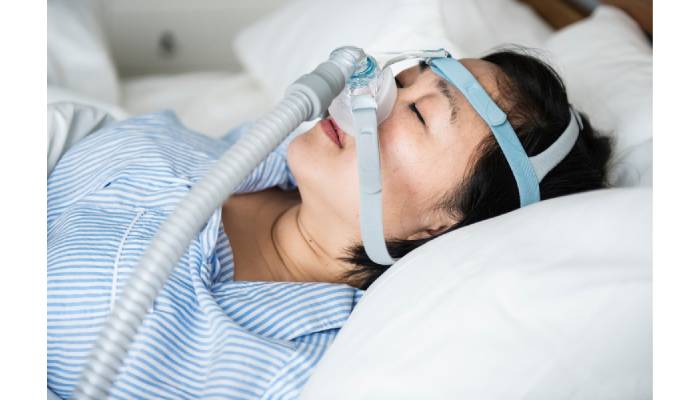
If you’re considering a sleep apnea home test in Ontario, it’s important to follow a few key steps. First, understanding sleep apnea is crucial; it helps you recognize symptoms like snoring or fatigue. Next, preparation involves gathering necessary items such as the testing device and following instructions closely. Then comes the actual testing phase, where you wear the device while sleeping, which records your breathing patterns. Don’t forget to monitor your progress and make notes of any unusual experiences during the night. Finally, consulting healthcare providers can ensure that you get a proper interpretation of results and guidance for treatment options moving forward.
1. Understanding Sleep Apnea: What You Need to Know
Sleep apnea is a common but serious sleep disorder characterized by repeated interruptions in breathing during sleep. There are three main types: obstructive sleep apnea, which occurs when the throat muscles relax excessively; central sleep apnea, where the brain fails to send the right signals to the muscles that control breathing; and complex sleep apnea syndrome, a combination of both obstructive and central sleep apnea. Symptoms often include loud snoring, choking or gasping for air during sleep, and excessive daytime sleepiness, which can lead to chronic fatigue and difficulty concentrating.
Certain risk factors increase the likelihood of developing sleep apnea, such as obesity, age, and a family history of the condition. It is particularly prevalent among older adults and those with a higher body mass index (BMI). The condition can have serious health consequences, including an increased risk of heart problems and diabetes. Sleep apnea disrupts the normal sleep cycle, causing fragmented sleep that prevents the body from getting restful, restorative sleep.
Recognizing the symptoms early is crucial for effective management, as untreated sleep apnea can lead to complications such as mood disorders, cognitive issues, and even cardiovascular problems. Statistics show that sleep apnea affects millions of people worldwide, with varying prevalence across different demographics. For further education on sleep apnea, numerous resources are available, including websites dedicated to sleep health and support groups for those affected by the condition. Understanding sleep apnea is the first step toward seeking an appropriate diagnosis and treatment.
2. Preparing for Your Sleep Apnea Home Test
Preparing for your sleep apnea test at home in Ontariot is a crucial step in obtaining accurate results. First, understand that a home test is different from an in-lab test. While an in-lab test provides extensive monitoring under controlled conditions, a home test allows you to sleep in your own bed, making the experience less intimidating. You will need to gather essential equipment, which typically includes a pulse oximeter and an airflow monitor. These devices will track your oxygen levels and breathing patterns throughout the night.
The night before the test, it’s important to avoid alcohol and caffeine, as these substances can interfere with your sleep quality and may affect the results. Creating a comfortable sleep environment is also key. Make sure your bedroom is dark, quiet, and at a comfortable temperature. This will help you sleep better and provide more accurate data for the test.
When it comes to wearing the monitoring equipment, follow the provided instructions carefully. Ensure all sensors are placed correctly to capture your breathing and heart rate effectively. You should also keep a log of your sleep patterns and any symptoms you experience leading up to the test, such as snoring or daytime fatigue. This information can be valuable for your healthcare provider.
It’s wise to prepare a list of any medications you are taking and any health conditions you may have, as this can assist your healthcare provider in understanding your situation better. Finally, designate a quiet space for the test, minimizing disturbances that could disrupt your sleep. Have your healthcare provider’s contact information readily available in case you have any questions or concerns during the process.
- What to expect from a home sleep apnea test and how it differs from an in-lab test.
- Gathering necessary equipment, such as a pulse oximeter and airflow monitor.
- Steps to take the night before the test, including avoiding alcohol and caffeine.
- Creating a comfortable sleep environment to ensure accurate results.
- Instructions on how to properly wear the monitoring equipment during the test.
- Importance of following the provider’s guidelines for the test.
- Understanding how to log your sleep patterns and symptoms leading up to the test.
- Preparing a list of medications or health conditions to discuss with your healthcare provider.
- Setting aside a quiet space for testing to minimize disturbances.
- Ensuring you have contact information for your healthcare provider for any questions.
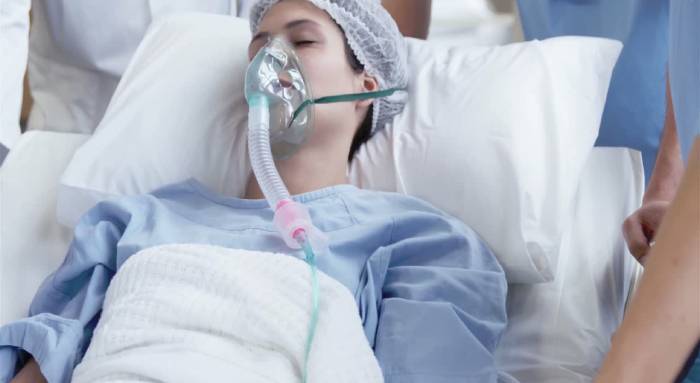
3. Step-by-Step Process of the Home Test
To set up your home testing equipment, start by carefully unpacking the device and reading the included instructions. Make sure you have everything you need, including the monitor, sensors, and any necessary batteries. Position the monitor near your bed within easy reach, but ensure it is not obstructed by blankets or pillows.
Next, correctly place the sensors on your body. Begin with the nasal cannula, which fits comfortably in your nostrils, ensuring it stays in place without causing discomfort. Then, attach the belts around your chest and abdomen, making sure they are snug but not overly tight, as this can restrict your breathing.
When you’re ready to start the test, press the button on the monitor to begin recording. Try to relax and create a sleep-friendly environment, dimming the lights and eliminating distractions. To end the test, simply press the stop button on the monitor. This will save your data for later analysis.
If you experience any discomfort during the night, adjust the sensors or belts if possible. If the equipment malfunctions, try to reset it according to the instructions. Keep a notepad next to your bed to jot down any awakenings or unusual experiences you have during the night, as this information can be useful later.
Managing anxiety is key. Practice deep breathing or visualization techniques to calm your mind before sleep. In the days leading up to the test, stick to a regular sleep schedule to help your body prepare.
After the test, review your collected data with a healthcare provider. Understanding what the results mean can provide insights into your sleep patterns. Keeping a sleep diary in conjunction with the test can help highlight any trends or issues. Before the test, discuss the procedure with your healthcare provider to clarify any doubts you might have.
4. Monitoring Your Sleep Apnea Results
After completing your sleep apnea home test, understanding the results is crucial. The data generated typically includes key metrics like the apnea-hypopnea index (AHI), which measures the number of apneas and hypopneas you experience per hour of sleep. AHI scores help categorize the severity of your condition: a score of less than 5 indicates normal breathing, 5 to 15 suggests mild sleep apnea, 15 to 30 indicates moderate, and over 30 is considered severe.
Recognizing patterns in your sleep data can provide insights into your sleep quality. For example, if you notice frequent episodes of interrupted breathing during certain sleep stages, it may suggest triggers or behaviors that worsen your condition. It’s also essential to compare these results with any symptoms you experienced during the test, such as excessive daytime sleepiness or loud snoring, to get a full picture of your sleep health.
When discussing your results with your healthcare provider, be prepared to ask questions and express any concerns. This dialogue can guide whether further testing or treatments, like CPAP therapy or lifestyle changes, are necessary. Technology plays a role in ongoing monitoring as well, with many wearables now tracking sleep patterns and AHI over time, allowing for better management of the condition.
Implementing lifestyle changes, such as losing weight, quitting smoking, or altering sleeping positions, can also positively impact your test results and overall health. Finally, consider using apps or journals to track your sleep health over time, which can help you and your healthcare provider make informed decisions about your treatment.
5. Consulting Healthcare Providers About Your Test
After receiving your sleep apnea home test results, it’s essential to schedule a follow-up appointment with your healthcare provider. Aim to do this within a week or two to discuss the findings. Prepare a list of questions to ask, such as what the results mean for your health and what symptoms to watch for. This is also the time to explore potential treatment options. Your provider might suggest continuous positive airway pressure (CPAP) therapy, which is a common treatment that helps keep your airways open while you sleep. If CPAP isn’t suitable for you, ask about alternatives like oral appliances that can help reposition your jaw, or lifestyle changes such as weight loss or sleep position adjustments.
During your consultation, be ready to discuss your sleep diary if you kept one. This diary can provide valuable insights into your sleeping patterns and symptoms. Make sure your provider understands your complete health history and any concerns you have, as this will help them tailor the treatment to your needs. It’s important to maintain ongoing communication about how you feel after starting any treatment. Advocate for your health by expressing any difficulties you experience or adjustments you think might help. If you need specialized care, ask for resources or recommendations for sleep medicine providers who can offer further assistance.
6. Benefits of At-Home Sleep Apnea Testing
At-home sleep apnea testing offers several advantages that can significantly enhance the experience for individuals seeking diagnosis and treatment. One of the primary benefits is the convenience of testing in your own environment, which can lead to more accurate and natural sleep data. Unlike sleep labs, where the setting can feel foreign and uncomfortable, testing at home allows individuals to relax and sleep as they normally would.
Cost-effectiveness is another strong point for home sleep tests. They typically cost less than in-lab studies, making them accessible for more people. This affordability can facilitate quicker diagnosis and a faster start to treatment, which is crucial for managing sleep apnea effectively.
For many, the anxiety of sleeping in a lab with monitors and strangers can be overwhelming. Home testing reduces this stress, allowing individuals to focus on the results rather than the environment. The flexibility in scheduling is also a major plus, participants can choose a time that works best for them, aligning the test with their personal routine.
Moreover, ongoing monitoring of sleep apnea symptoms at home can lead to better adherence to treatment plans. When individuals feel comfortable and in control, they are more likely to stick to prescribed therapies and lifestyle changes.
However, it is important to recognize the limitations of home sleep tests. They may not diagnose all types of sleep disorders, so understanding what the test can and cannot provide is vital. For those considering a home test, resources are available to help select the right option based on individual needs, ensuring a thorough and effective approach to managing sleep apnea.
7. Common Questions About Sleep Apnea Home Tests
Home sleep apnea tests typically cost between $150 and $500, depending on the provider and the equipment used. To determine if a home sleep test is suitable for you, consider factors such as your symptoms, medical history, and a discussion with your healthcare provider. If your results are abnormal, it’s essential to follow up with a healthcare professional who can provide guidance on treatment options. Many people find it helpful to use their home sleep test data to make lifestyle changes, such as adjusting sleep habits or weight management. As for monitoring your condition, repeating the home test every year or as recommended by your provider can help track progress.
Insurance coverage for home sleep apnea tests varies, so check with your insurance company to see what they will cover. Common mistakes during the home test include improper placement of sensors or not following the instructions carefully. In terms of accuracy, home testing can be effective but may not capture as much detail as traditional lab testing. If you have more questions after your test, don’t hesitate to reach out to your healthcare provider. Additionally, support groups or online communities focused on sleep apnea can offer valuable insights and encouragement.
Frequently Asked Questions
What should I expect during a sleep apnea home test in Ontario?
During a sleep apnea home test, you will use a device to monitor your breathing and other body functions while you sleep at home. The device is easy to set up, and you will wear it while you sleep to collect data that helps doctors understand your sleep patterns.
How do I prepare for a sleep apnea home test?
To prepare for a sleep apnea home test, it’s best to follow your normal bedtime routine. Avoid caffeine or alcohol before the test, and make sure you’re comfortable and relaxed when you go to bed.
Can anyone do a sleep apnea home test, or are there restrictions?
Most adults can do a sleep apnea home test, but some people may need to see a doctor first. If you have severe health issues or other sleep disorders, a healthcare professional might recommend an in-lab sleep study instead.
How long does a sleep apnea home test take?
A sleep apnea home test usually requires one night of sleep to gather information. Once the test is complete, a doctor will review the data and discuss the results with you.
What happens after I complete a sleep apnea home test?
After completing the test, you will return the device to your healthcare provider. They will analyze the data, and then you will have a follow-up appointment to go over the results and discuss any next steps.
TL;DR This guide covers the essentials of undergoing a sleep apnea home test in Ontario. You will learn about sleep apnea, how to prepare for the test, the testing process, monitoring your results, and consulting healthcare providers. It also highlights the benefits of at-home testing and answers common questions on the topic, providing a clear and straightforward overview.