
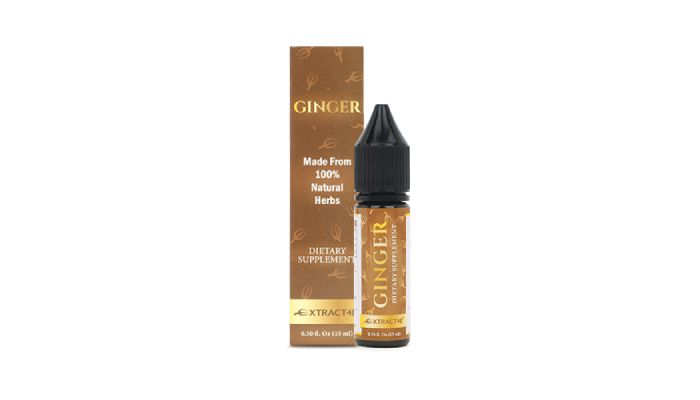
Before purchasing a ginger extract supplement, it’s crucial to check several key factors. First, ensure the product is third-party tested for quality and purity; this guarantees no harmful contaminants are present. Also, look for non-GMO certifications as they indicate organic sourcing. Next, investigate the gingerol content since this active compound provides many health benefits; some products may contain disappointingly low amounts of it. Additionally, follow the recommended dosage of 1 to 3 grams per day for effective results while being mindful of potential side effects and medication interactions. Finally, choose reputable manufacturers that are transparent about their sourcing processes for the best quality supplements!
1. Quality of the Product
When it comes to buy ginger extract supplement, the quality of the product is paramount. First and foremost, ensure that the supplement is third-party tested to guarantee its purity and potency. Look for independent testing from organizations like NSF International or ConsumerLab, which can confirm that the product is free from harmful contaminants and contains what it claims. Certifications such as USDA Organic or non-GMO labeling are also vital, indicating that the supplement is made from high-quality, organically sourced ginger.
Freshness matters too, so always check that the ginger extract is made from fresh ginger root, as those made from dried ginger may lose potency. Additionally, be mindful of manufacturing dates; older products may not provide the desired effects due to deterioration over time. To gain real-life insight, read customer reviews and ratings to see how others have benefited from the product.
The extraction method is another key factor. High-quality extracts often employ CO2 extraction, which preserves the active compounds effectively. Consider the form of the supplement as well, whether it’s liquid, capsule, or powder, since this can impact how well your body absorbs the nutrients. Opt for products that use natural flavors and colors, steering clear of artificial additives that could compromise quality.
Lastly, check that the product adheres to sustainable sourcing practices. This ensures that the ginger is harvested responsibly, which is not only better for the environment but also supports ethical practices. Be cautious of products with vague descriptions or lacking ingredient transparency, as these can be telltale signs of lower quality.
- Ensure the ginger extract is third-party tested to confirm its purity and quality, helping you to avoid harmful contaminants.
- Look for certifications such as USDA Organic or NSF Certified, as these signify adherence to strict quality standards.
- Confirm that the supplement is made from fresh ginger root, as extracts from dried ginger may have lower potency.
- Check for manufacturing dates to ensure freshness, as older products may lose effectiveness over time.
- Read reviews and ratings from other customers to gauge their experiences with the product, providing real-life insight.
- Investigate the extraction method used, as high-quality extracts often use CO2 extraction for better preservation of active compounds.
- Consider the form of the supplement, whether it’s liquid, capsule, or powder, as this can affect absorption and efficacy.
- Look for products that use natural flavors and colors, avoiding artificial additives which can compromise quality.
- Verify that the product uses sustainable sourcing practices, ensuring that the ginger is harvested responsibly.
- Avoid products with vague descriptions or that lack ingredient transparency, as this can indicate lower quality.
2. Gingerol Content
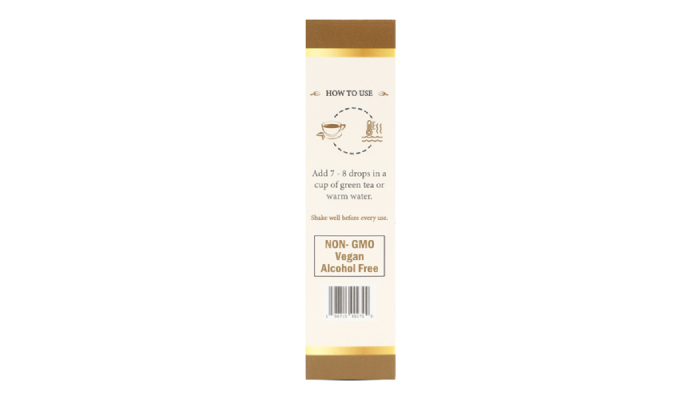
Gingerol is the superstar compound in ginger, packed with impressive health benefits like anti-inflammatory and antioxidant effects. When selecting a ginger extract supplement, it’s crucial to check the gingerol content listed on the label. Some products might not contain enough gingerol to provide the desired health benefits. Research suggests that effective doses typically range from 10 mg to 30 mg of gingerol per serving, which is essential for achieving those positive effects.
Be cautious, as some products may only mention total ginger extract without specifying the gingerol levels. Transparency in ingredient breakdown is key. If a product boasts high gingerol content but lacks independent testing results to support those claims, it’s best to steer clear. Remember that gingerol content can vary widely based on the ginger source and the extraction method used, so do your homework.
A high gingerol-to-total-extract ratio is a good indicator of quality and efficacy in ginger extracts. Additionally, look for other active compounds like shogaols or zingerone, which may enhance the effects of gingerol. Avoid brands that rely on misleading marketing terms such as “ginger extract” without providing specifics on gingerol content. To make an informed choice, consult studies that compare ginger supplements, as this can help you identify which options deliver the best gingerol levels.
3. Dosage Instructions
When it comes to ginger extract supplements, dosage is crucial. Always stick to the recommended dosage on the label, as going overboard can lead to unwanted side effects. Typically, effective dosages range from 1 to 3 grams daily, but this can vary based on individual health needs. If you’re new to ginger supplements, consider starting with a lower dose to gauge your body’s response. Gradually increasing your intake after consulting a healthcare provider is a smart approach.
Remember, the dosage may differ depending on the supplement’s form, so look for products that specify if they are standardized for active compounds like gingerol. For those who are pregnant, nursing, or have health issues, it’s essential to get personalized dosing advice from a healthcare professional.
Clear instructions on when to take the supplement are also important, as taking ginger with meals can enhance absorption. Be cautious of products that promote excessive dosages without scientific support, as they can be harmful. Keep an eye on how your body reacts and adjust the dosage if you experience any adverse effects. Lastly, some research suggests that breaking up your ginger intake into smaller doses throughout the day might provide better results than one large dose.
4. Potential Side Effects and Interactions
When considering ginger extract supplements, it’s vital to be aware of potential side effects and interactions. Common issues include stomach upset, heartburn, and diarrhea, particularly at higher doses. Some individuals may also experience allergic reactions, such as rashes or difficulty breathing, so it’s important to discontinue use immediately if you notice these symptoms. Additionally, ginger can increase the risk of bleeding, especially if you are taking blood-thinning medications like warfarin. If you have diabetes, be sure to monitor your blood sugar closely, as ginger can lower it and may interact with diabetes medications. For those with heart conditions, consulting a healthcare provider is crucial, since ginger may affect heart rhythm. If you are scheduled for surgery, inform your doctor, as ginger can interfere with blood clotting. People with gallbladder disorders should consider avoiding ginger supplements, as they can stimulate bile production. Pregnant women should also check with their doctor before using ginger, particularly since high doses may induce contractions. Always read product labels carefully, as some supplements may contain additives that can lead to interactions. Lastly, be cautious when using multiple supplements at once, as combining them can increase the risk of side effects.
5. Reputable Manufacturer
When choosing a ginger extract supplement, the manufacturer plays a crucial role in ensuring quality and safety. Opt for brands that are known for their transparency and commitment to quality. Look for manufacturers who openly discuss their sourcing practices, as this shows they value the integrity of their ingredients. Research the company’s history and reputation within the industry; established brands often have rigorous quality control measures in place.
It’s also important to find manufacturers who provide detailed information about their extraction methods and ingredient sourcing. Avoid brands that use vague terms like ‘natural flavors’ without specifics or those that don’t disclose their ingredient list. Certifications can be a great indicator of quality standards, so check if the manufacturer has any relevant certifications, such as non-GMO or organic labels.
Customer reviews and testimonials offer valuable insights into the experiences of others with the brand, helping you gauge their reliability. Additionally, investigate if the manufacturer has faced any controversies or product recalls in the past, as this could reflect their commitment to quality.
Choose companies that engage with their customers and provide responsive support for inquiries. Brands that are members of industry organizations promoting high standards, like the Council for Responsible Nutrition, further establish their credibility. Be cautious of products marketed with aggressive sales tactics or suspicious claims, as these often signal lower quality.