
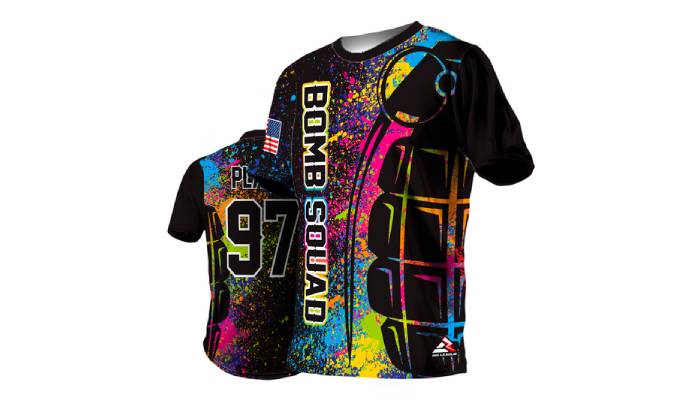
Choosing the right fabric for custom softball jerseys involves several important factors that impact both performance and comfort. First, polyester is a top choice due to its lightweight and moisture-wicking properties. It helps keep players dry during intense games. Polyester/cotton blends offer softness but can hold more moisture, while mesh fabrics provide great breathability for hot weather play. Also, consider comfort; jerseys must allow freedom of movement without being too baggy or tight. Durability is essential, so opt for high-quality materials that withstand wear over time and are easy to maintain. Lastly, always think about how well the fabric supports customization options like colors and logos for team identity before making your final decision.
1. Fabric Types and Their Benefits
Polyester is a top choice for sports jerseys due to its lightweight and durable nature, along with its moisture-wicking capabilities. This means it effectively draws sweat away from the body, keeping players dry and comfortable during intense games. Additionally, polyester retains its shape and color well, ensuring jerseys look fresh season after season. For those seeking a blend of comfort and durability, polyester/cotton blends provide the softness of cotton but may not wick moisture as effectively, which could be a consideration for high-energy play.
Mesh fabrics are another excellent option, especially in hot weather. They offer great breathability, helping to keep players cool on the field. Performance fabrics that include spandex can further enhance flexibility, allowing for a full range of motion while managing moisture effectively. Alternatively, nylon is known for its strength and resistance to abrasion, making it suitable for more rugged play.
Cotton, while breathable and comfortable, might not be the best choice for moisture management, as it can retain sweat. On the sustainable front, recycled polyester is gaining popularity, providing a performance-oriented fabric choice that is also eco-friendly. Some specialized fabrics even come with antimicrobial treatments, which help reduce odor during extended wear, adding another layer of comfort for players. Choosing the right fabric not only affects performance but also enhances the overall look and feel of the team’s uniform.
2. Comfort and Fit
Comfort is key when it comes to choosing the right fit for custom softball jerseys. A good jersey should allow players to move freely, providing a full range of motion without feeling restricted. Look for tailored fits that accommodate layering, ensuring the jersey is neither too baggy nor too tight. Lightweight materials play an essential role here, as they help prevent added weight during gameplay, allowing players to stay agile and focused.
Neck and sleeve styles are also important; they should be comfortable and designed to prevent chafing during movement. Features like tagless labels can add to the overall comfort, reducing irritation while players are on the field. The fit of the jersey can greatly influence a player’s confidence, which in turn can impact their performance.
It’s also wise to consider the climate when choosing a fit. For example, a snug fit might provide warmth in colder conditions, while a looser fit can help keep players cool in the heat. Ultimately, players should feel at ease in their jerseys, as any discomfort can be a distraction during the game. Look for adjustable features, like side panels or stretchable fabrics, that can accommodate different body types, enhancing both comfort and fit. Remember, fabric softness is just as important as the fit; a soft jersey can make all the difference in a player’s comfort during play.
- Jerseys should allow for a full range of motion to avoid restrictions during play.
- Look for tailored fits that accommodate layering without being too baggy or tight.
- Lightweight materials help prevent added weight during gameplay, enhancing mobility.
- Consider the neck and sleeve styles; they should be comfortable and not chafe during movement.
- A good fit boosts players’ confidence, impacting their performance on the field.
- Check for features like tagless labels to avoid irritation.
- Consider the climate; a snug fit can be warm in cold weather, while looser fits can be cooler in hot conditions.
- Players should feel comfortable in their jerseys, as discomfort can distract from gameplay.
- Adjustable features, like side panels or stretchable fabrics, can improve fit for a variety of body types.
- Comfort is not just about fit; fabric softness also plays a role in overall comfort during play.

3. Durability and Maintenance
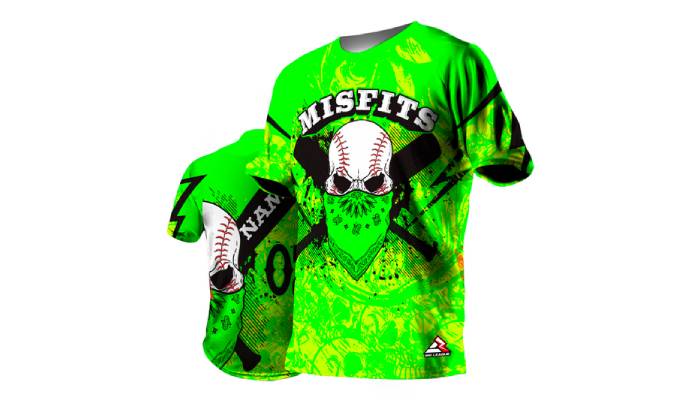
Durability is key when selecting fabric for custom softball jerseys, as high-quality materials ensure that jerseys endure multiple seasons without losing their shape. Polyester and blends are particularly effective, resisting wear better than pure cotton, making them a practical choice for active players. When choosing jerseys, consider options that are stain-resistant, helping to maintain a clean appearance throughout the season. Machine-washable fabrics add to the convenience, allowing for easy care and maintenance, which is essential for busy teams. Additionally, check for colorfastness to avoid fading after washes, ensuring that your team’s colors remain vibrant. Reinforced stitching can signal durability, as it helps seams withstand stress during gameplay. Look for materials that don’t require special washing instructions, as easy-care options can save time and effort. Durable fabrics typically resist fraying or tearing, a crucial factor for sports jerseys. Lastly, consider the warranty or return policy in case of defects or early wear; regular maintenance, including proper washing and drying, will further enhance the jersey’s longevity.
4. Moisture-Wicking Technology
Moisture-wicking fabrics are game-changers for custom softball jerseys, especially when players face long hours on the field. These materials actively draw sweat away from the skin, helping to keep players dry and comfortable during intense games. By regulating body temperature, moisture-wicking technology enhances overall performance, allowing athletes to focus on their game instead of discomfort. Look for jerseys made from a blend of moisture-wicking and breathable materials to achieve optimal performance. Some advanced fabrics even boast accelerated drying times, which is particularly beneficial in humid conditions where sweat can quickly become a distraction. Additionally, jerseys with moisture-wicking properties can reduce chafing, promoting greater comfort throughout the game. To gauge the effectiveness of a fabric’s wicking ability, a simple test of pouring water on it can provide insight into its performance. For high-sweat areas, consider jerseys that incorporate mesh panels for added ventilation, further enhancing airflow. Moreover, modern moisture-wicking technology often includes features that resist odors, keeping jerseys fresher for longer. When selecting a jersey, prioritize fabrics specifically designed for performance sports, as they typically offer superior moisture management capabilities. Ultimately, choosing the right moisture-wicking technology allows athletes to concentrate on their skills rather than the discomfort of sweat-soaked fabric.
5. Customization Options
Customization is a key aspect of any team’s identity, especially for softball jerseys. The chosen fabric should support various printing methods to ensure that team logos and names stand out. Sublimation printing is a popular choice because it allows for vibrant, long-lasting designs that are directly infused into the fabric, preventing issues like peeling or fading. It’s important to consider how well the fabric holds color during the printing process, as this impacts the visual integrity of the jersey.
Look for fabrics that enable detailed designs without compromising the structure of the shirt. Some fabrics are designed specifically for easy customization, making it simpler to enhance team branding. Additionally, ensure that the fabric can withstand multiple washes while retaining the printed designs, so the jerseys look sharp season after season.
Customization should enhance, not interfere with, the jersey’s fit or comfort during play. It’s also crucial to explore options for adding player numbers and names that are easy to read and visually appealing. This not only helps in identifying players but also adds to the overall team spirit and individuality in design. Finally, keep in mind that customization can come with additional costs, which can vary depending on the fabric type and printing method.
6. Color and Style
Selecting the right colors and styles for custom softball jerseys is essential for team identity and visibility. Teams should choose colors that reflect their spirit and branding, such as vibrant hues like royal blue or bright red, which can help players and fans easily recognize team members during games. Patterns like stripes or color blocking can add visual interest and uniqueness to the design, setting the team apart from others. It’s also important to consider the psychological effects of colors; for example, bold shades can boost team morale and foster a sense of unity. To ensure names and numbers are easily readable, contrasting colors can be used, enhancing visibility on the field. Staying updated on current trends in sports fashion can keep designs fresh, while classic styles provide longevity, allowing uniforms to remain relevant across seasons. Additionally, customizing styles that align with the team’s theme or mascot can enhance cohesion, ensuring that every jersey feels unique yet part of a unified whole. Lastly, think about how color choices might affect visibility in different weather conditions, such as darker colors in low light versus brighter shades in sunny weather.
7. Environmental Considerations
When selecting custom softball jerseys, it’s important to think about the environment. Choosing jerseys made from recycled materials can significantly reduce your team’s carbon footprint. Look for manufacturers who prioritize sustainable practices, such as using eco-friendly fabrics that require less water and energy to produce. Brands committed to sustainability often offer plant-based or biodegradable fabric options, making it easier to promote a greener choice.
Evaluating the entire lifecycle of the jersey, from production to disposal, is crucial for making informed decisions. Supporting businesses that give back to environmental initiatives not only fosters a positive team image, but it can also influence how fans and the community perceive your team. By opting for sustainable jerseys, you align with modern values of sustainability, enhancing your team’s reputation while contributing to a healthier planet. Stay informed about new sustainable materials entering the market to make better choices for future jersey selections.
Frequently Asked Questions
What types of fabric are best for softball jerseys?
Softball jerseys are typically made from polyester, nylon, or a blend of both. Polyester is popular for its moisture-wicking properties, while nylon offers durability.
How does the fabric choice affect comfort during play?
The right fabric can make a big difference in comfort. Lightweight and breathable materials keep players cool and dry, making it easier to move around during games.
Can certain fabrics impact the look of custom jerseys?
Yes, different fabrics have varying textures and finishes, which can affect how colors appear and how vibrant the designs look on the jerseys.
Should I consider weather conditions when choosing fabric?
Absolutely, if you play in hot weather, look for breathable fabrics that wick away sweat. For cooler climates, you might want to consider heavier materials that provide warmth.
Are there special fabrics for different positions in softball?
While most players wear similar jerseys, certain positions may benefit from special features like reinforced areas or extra stretch, depending on their movement needs.
TL;DR Choosing the right fabric for custom softball jerseys involves several important factors. Key fabric types include polyester for moisture-wicking and durability, while blends offer comfort. Comfort and fit are essential for performance, and durability ensures jerseys last through seasons. Moisture-wicking technology helps keep players dry, while customization options allow for team identity. Color selection should reflect branding, and environmental considerations encourage sustainable choices. Overall, selecting the right fabric enhances both appearance and athletic performance.