

Trigger finger, known as stenosing tenosynovitis, can be quite bothersome. This condition causes finger tendons to inflate, leading to pain and difficulty moving the affected digit. To prevent trigger finger from worsening, there are several effective measures to consider. Start by avoiding repetitive motions that strain your fingers and take breaks when performing hand-intensive tasks. Proper technique during activities like typing and using tools is essential too. Resting the fingers is crucial if symptoms appear; also consider splinting them at night to keep them straight. Gentle stretching exercises can improve flexibility, while heat therapy helps alleviate stiffness. Don’t forget about massage and ergonomic tools, they can go a long way in minimizing discomfort! For pain control, over-the-counter medications may help, but always consult with a healthcare provider for persistent issues or severe cases where injections might be needed.
Understanding Trigger Finger
Trigger finger treatment, also known as stenosing tenosynovitis, is a condition that affects the tendons of the fingers, leading to inflammation and difficulty in movement. This inflammation can cause the affected finger to get stuck in a bent position, making even simple tasks challenging. While it can occur in any finger, the ring finger and thumb are the most commonly affected. The condition may impact one or multiple fingers simultaneously.
This issue is more prevalent among adults between 40 and 60 years old, with women being more likely to experience it than men. Certain medical conditions, such as diabetes, can increase the risk of developing trigger finger. Symptoms can vary widely, ranging from mild discomfort to severe pain, and may include a snapping or clicking sensation when moving the finger, stiffness, especially in the morning, and swelling or tenderness at the base of the affected finger. In some instances, trigger finger can resolve itself without any treatment, but chronic cases may require medical intervention, like therapy or even surgery. Recognizing the early signs of trigger finger is crucial for seeking timely treatment, which can prevent it from worsening.

Common Symptoms of Trigger Finger
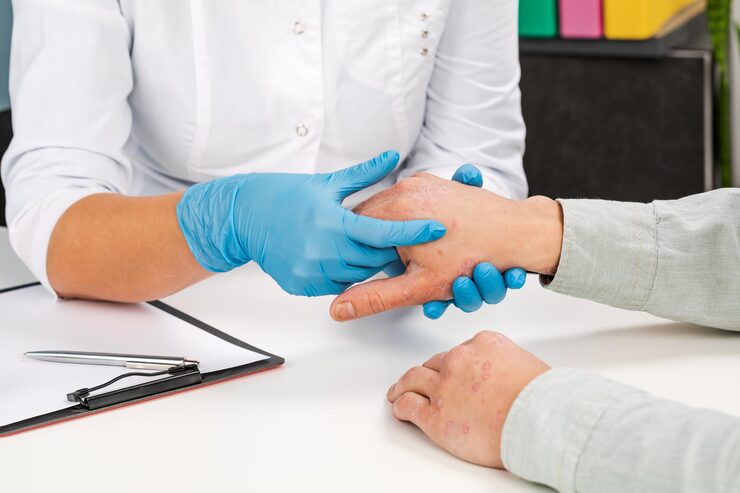
Trigger finger can be quite bothersome, and recognizing its symptoms is important for effective management. One of the most noticeable signs is a clicking or snapping sound when you bend or straighten the affected finger. This clicking can often be accompanied by pain, which tends to worsen with activity or after prolonged use of your hand. Many people also experience stiffness in the finger, particularly in the morning, making it difficult to start the day. You might notice swelling at the base of the affected finger, where it can be tender to touch. In some cases, the finger may even get stuck in a bent position, requiring a good amount of effort to straighten it out again. Symptoms can vary, with some days feeling better than others, adding to the frustration. You may find a lump in the palm where the tendon is inflamed, and the pain can sometimes radiate into your hand or wrist, impacting your overall hand function. Tasks that require gripping objects can become increasingly challenging due to the pain and stiffness, and in severe situations, fingers may remain locked in a bent position for extended periods, further limiting daily activities.
Preventive Measures to Stop Trigger Finger
To prevent trigger finger from worsening, it’s crucial to adopt a few simple yet effective strategies. First, try to limit repetitive motions that strain the fingers, such as gripping tools or typing for extended periods. Taking regular breaks can help avoid overuse injuries. When you do engage in activities that require hand movements, practice proper hand positioning to reduce strain. Consider using lighter tools or ergonomic devices designed to lessen the effort required from your fingers.
Maintaining a healthy weight is also important, as excess weight can increase stress on joints and tendons. Incorporating hand and finger stretches into your daily routine can significantly enhance flexibility and reduce stiffness. For example, tendon gliding exercises can help keep the tendons healthy and mobile.
Before starting any activity that might stress your fingers, applying heat can help loosen stiff tendons. Additionally, using a splint during sleep can prevent the affected finger from bending and locking, providing much-needed rest. Rotating tasks is another useful strategy; try to vary the activities you perform to avoid prolonged use of the same muscles.
Avoiding Overuse of Your Fingers
To help prevent trigger finger from worsening, it’s crucial to avoid overusing your fingers. Start by recognizing activities that may strain your fingers, such as typing, knitting, or playing musical instruments. Limit the time spent on these tasks, especially those that require repetitive movements. Instead of pushing through, break your activities into smaller segments to reduce prolonged strain. For instance, if you are typing for work, consider setting a timer to remind yourself to take regular breaks.
During these breaks, practice relaxation techniques to ease muscle tension in your hands. You can also alternate hands when performing tasks, allowing each hand a chance to rest. If typing is unavoidable, explore voice-to-text technology as a way to minimize your typing time. Using ergonomic tools designed to reduce pressure on your fingers can make a significant difference too.
Additionally, engage in hobbies that do not require extensive finger use, giving your hands a chance to recuperate. Always be mindful of any symptoms you experience, adjusting your activities accordingly to prevent flare-ups. By being proactive and making small adjustments, you can effectively manage your finger health and maintain comfort in your daily activities.
- Recognize activities that may lead to finger strain, such as typing or knitting.
- Limit time spent on tasks that require repetitive hand movements.
- Break tasks into smaller segments to avoid prolonged strain.
- Alternate hands when performing tasks to distribute the workload.
- Practice relaxation techniques to reduce muscle tension in hands.
- Use voice-to-text technology to minimize typing time.
- Consider using ergonomic tools designed to reduce pressure on fingers.
- Set timers to remind yourself to take breaks during prolonged activities.
- Engage in hobbies that don’t require extensive finger use to give them a rest.
- Be mindful of symptoms and adjust activities to prevent flare-ups.
Using Proper Technique in Daily Activities
Using proper techniques in your daily activities can significantly help in managing trigger finger. Start by keeping your wrists in a neutral position while typing, as this reduces strain on your fingers and promotes better alignment. When using a computer mouse or typing, aim for a light touch; this minimizes pressure and helps prevent overexertion. Setting up your workstation ergonomically is also crucial, ensuring that your hands are positioned comfortably to avoid unnecessary tension.
When handling tools, hold them with a relaxed grip. This simple adjustment can greatly minimize tension in your fingers. If you engage in sports or physical activities, take the time to learn proper techniques; this can help avoid injuries that could worsen trigger finger. When lifting objects, use your whole hand instead of pinching with just your fingers, which distributes the load more evenly and reduces stress on individual digits.
Focus on relaxed movements, steering clear of fast or jerky motions, which can exacerbate symptoms. If you have hobbies that require finger dexterity, invest some time in learning the right techniques to ensure you’re not putting unnecessary strain on your fingers. Lastly, seeking personalized advice from professionals can provide tailored strategies that suit your specific needs, ensuring you’re taking the best approach to keep your fingers healthy.
Importance of Rest and Recovery for Fingers
Rest is vital for your fingers, especially when dealing with trigger finger. Taking breaks allows the inflamed tendons to heal, which is essential for reducing pain and improving mobility. If you experience symptoms, it’s important to stop any activities that exacerbate the issue, giving your fingers the rest they need. Incorporating rest days into your routine, particularly after intense hand use, can significantly aid recovery. Pay attention to your body: if you start to feel pain, it’s a signal to take a break. During these rest periods, using splints can help keep your fingers properly aligned, preventing them from locking. Applying ice after activities can also help reduce inflammation and swelling. Additionally, gentle stretching after a rest can maintain flexibility and enhance your range of motion. Alternating between different activities can help avoid overusing the same muscle groups, while low-impact exercises can keep you active without straining your fingers. Lastly, scheduling regular breaks throughout your day can prevent cumulative stress on your fingers, contributing to better overall hand health.
Benefits of Splinting for Trigger Finger
Splinting offers several advantages for managing trigger finger. By immobilizing the affected finger, a splint can effectively prevent it from locking, which is a common issue for those with this condition. Wearing a splint at night can be particularly beneficial, as it keeps the finger straight while sleeping, reducing the likelihood of stiffness in the morning. Additionally, splints can help reduce pain and inflammation by limiting movement, allowing the tendon to heal while providing necessary support during daily activities.
Custom splints can be tailored to fit individual needs, ensuring both comfort and effectiveness. This personalization helps in making the splint more bearable for extended wear, which can be crucial for ongoing treatment. Using a splint also serves as a reminder to avoid movements that might exacerbate symptoms, promoting a more cautious approach to daily tasks.
Moreover, splinting can be adjusted based on symptom severity and comfort level, enabling users to find a balance that works for them. For those undergoing physical therapy or rehabilitation, splints can be helpful tools in the recovery process. Consulting with a healthcare provider can guide individuals in selecting the right type of splint, ensuring that it meets their specific needs and enhances their overall management of trigger finger.
Stretching Exercises to Enhance Flexibility
Gentle stretching plays a crucial role in enhancing flexibility and reducing stiffness in the fingers. By engaging in specific exercises, you can improve blood flow and maintain tendon movement. One effective approach is tendon gliding exercises, which help keep the tendons moving smoothly. Additionally, blocking exercises can increase the strength of the muscles surrounding the fingers, which is beneficial for overall hand function. Wrist stretches are also essential, as they alleviate tension that may affect finger movement. To maximize the benefits of these stretches, hold each position for 15 to 30 seconds, and perform them slowly to avoid aggravating any symptoms. Making these stretches a regular part of your daily routine can lead to consistent improvements over time. For best results, consider using warm water or heat therapy before stretching to enhance effectiveness. If you’re unsure where to start, working with a physical therapist can provide you with a personalized exercise plan tailored to your specific needs. Remember, consistency is key for improved finger function.
Heat Therapy for Stiff Fingers
Heat therapy can be an effective way to alleviate the stiffness associated with trigger finger. By applying heat, whether through a warm compress or soaking your hands in warm water, you help relax the tight muscles and tendons in your fingers. This relaxation can improve blood circulation, which is vital for reducing stiffness and promoting healing. It’s especially beneficial to use heat before engaging in activities that require finger movement, as it prepares your fingers for action.
Localized treatments can be done using heating pads or warm towels, ensuring the warmth is comfortable to avoid burns. However, it’s important to avoid applying heat directly to swollen or inflamed areas, particularly right after an injury. Monitoring the temperature is key, as a gentle warmth is more effective than one that is too hot.
For optimal results, consider alternating between heat and cold therapy, as this combination can enhance relief. Heat therapy works well alongside other treatments, such as stretching and splinting, creating a comprehensive approach to managing trigger finger. Before starting any heat therapy regimen, consult with a healthcare provider to tailor the approach to your specific needs.
How Massage Can Help Trigger Finger
Massage can be a beneficial approach for managing trigger finger. By gently massaging the base of the affected finger, you can relieve tension and alleviate pain and stiffness. It’s important to focus not just on the finger itself, but also on the palm and surrounding areas that connect to the affected tendon. Regular massage can enhance flexibility and improve the range of motion, allowing for smoother finger movement.
To make the experience more effective, consider using oils or lotions during your massage. This can help reduce friction and provide a soothing effect. Additionally, incorporating massage into your relaxation routine can help lower overall tension, which may contribute to trigger finger symptoms. However, be cautious not to apply too much pressure, as this could worsen your condition.
Using a tennis ball or a massage tool can also provide targeted relief, especially in areas where tension builds up. For chronic cases, seeking professional massage therapy might be beneficial; a therapist experienced in hand injuries can offer tailored techniques that suit your specific needs.
Utilizing Adaptive Tools for Comfort
Using adaptive tools can significantly enhance comfort and reduce strain for those dealing with trigger finger. Start by selecting ergonomic tools that feature soft-grip handles, which minimize friction and discomfort during use. Consider automatic can openers or jar openers, as these require less grip strength, making tasks easier and more manageable. Look for devices that provide leverage, allowing you to accomplish tasks without exerting excessive force.
In the kitchen, lightweight utensils and gadgets can help prevent hand fatigue while cooking. For computer work, explore adaptive accessories like trackballs or ergonomic keyboards, which reduce finger movement and strain. If typing or clicking is a challenge, voice recognition software can be a game-changer, allowing you to execute commands without using your hands.
Incorporating assistive devices, such as reachers or dressing aids, can also help lessen hand strain during daily activities. When choosing tools, opt for those with larger buttons or grips that are easier to handle. You might even experiment with modified grips or attachments that fit onto your existing tools, enhancing comfort and reducing friction. Finally, it’s important to regularly assess and update your adaptive tools to ensure they continue to meet your evolving needs.
Medication Options for Managing Pain
Nonsteroidal anti-inflammatory drugs (NSAIDs) like ibuprofen and naproxen can effectively reduce pain and swelling in the affected area. If over-the-counter options do not provide enough relief, it is important to consult with a healthcare provider about prescription medications that may be more effective. Topical pain relief creams or patches can also be considered for localized treatment, offering relief without systemic side effects. Additionally, corticosteroids are worth discussing with your doctor, as they can significantly reduce inflammation and provide relief. It is crucial to monitor the effectiveness of these medications and report any side effects to your healthcare provider promptly. For those experiencing nerve pain, alternative medications such as gabapentin or pregabalin might be beneficial. Keeping a medication diary can help track when you take pain relief and how it affects your symptoms, which can be useful for discussions with your doctor. Before starting any new medications, be sure to stay informed about potential drug interactions with your current medications. Engage in conversations with your healthcare provider about the duration and frequency of medication use to avoid dependency. Lastly, consider evaluating lifestyle changes, such as incorporating physical therapy or exercise, which could help reduce the need for medication.
Corticosteroid Injections as a Treatment Option
Corticosteroid injections can be a helpful option for those dealing with trigger finger. These injections are designed to provide quick relief from inflammation and pain in the tendon sheath, allowing for improved finger mobility. The procedure is usually straightforward and can be done in a doctor’s office, often without the need for anesthesia. While some patients may feel immediate relief, others might take a few weeks to notice improvements.
It’s important to discuss potential side effects with your healthcare provider, as pain at the injection site, skin changes, or even a risk of infection can occur. Injections can be repeated if necessary, though most doctors recommend limiting how often they are done to prevent complications. Corticosteroids work by reducing swelling, which can make everyday tasks easier.
For increased accuracy and effectiveness, ask your doctor about using ultrasound guidance during the injection. If you’ve tried other conservative treatments without success, this option might be worth considering. After receiving the injection, follow up with your healthcare provider to evaluate its effectiveness and plan any further treatment. Maintaining an open dialogue about your symptoms and their response to the injection therapy is crucial for managing your condition.
Identifying Risk Factors for Trigger Finger
Understanding the risk factors for trigger finger is crucial in preventing its worsening. Women, particularly in their middle ages, are more likely to develop this condition. Additionally, certain medical conditions like diabetes and rheumatoid arthritis can heighten the risk. Occupations that involve repetitive hand movements, such as musicians, carpenters, or assembly line workers, increase the likelihood of developing trigger finger, as they place strain on the tendons. A family history of trigger finger may also elevate an individual’s risk.
Obesity and metabolic syndrome have been linked to a higher incidence of trigger finger, as do conditions like gout and thyroid disorders. Age plays a significant role as well; older adults tend to be more susceptible to this issue. To mitigate these risks, it’s important to monitor your activities for any signs of strain and adjust your techniques accordingly. If you notice multiple risk factors in your life, consulting with a healthcare provider can help you identify preventive measures tailored to your situation.
Long-Term Management Strategies for Trigger Finger
Engaging in regular physical therapy focused on hand exercises can significantly improve flexibility and strength in the fingers. Incorporating stretching routines into your daily schedule helps maintain mobility, reducing stiffness that often accompanies trigger finger. Using splints as recommended, especially during sleep or when symptoms flare up, can provide necessary support to prevent further issues. Monitoring symptoms closely by keeping a journal may help identify specific triggers that exacerbate the condition.
Staying active with low-impact exercises, such as walking or swimming, is beneficial as it keeps the body in shape without putting stress on the hands. It’s also wise to discuss lifestyle modifications with a healthcare provider, ensuring your activities align with your condition. Be proactive about managing any underlying health issues, like diabetes or rheumatoid arthritis, which could contribute to trigger finger.
Exploring alternative therapies, such as acupuncture or chiropractic care, may offer additional relief. If conservative treatments do not yield improvement, consulting with your doctor about surgical options is a step worth considering. Staying informed about the latest research and treatment options empowers individuals to make educated decisions regarding their care, ultimately enhancing their quality of life.
Frequently Asked Questions
What is trigger finger and how does it happen?
Trigger finger is a condition where your fingers get stuck in a bent position. It happens when the tendons in your fingers become inflamed, making it hard for them to glide smoothly.
What can I do at home to help with trigger finger?
You can try resting your finger, applying ice to reduce swelling, and gently stretching your fingers. Keeping your hand warm can help too, as it can relieve stiffness.
When should I see a doctor for trigger finger?
You should see a doctor if your symptoms last more than a few weeks, if the pain gets worse, or if you cannot straighten your finger. They can provide treatments if home care doesn’t work.
Are there specific activities I should avoid to prevent worsening trigger finger?
Yes, you should avoid repetitive movements with your fingers, gripping things tightly, or activities that strain your hands. These can make your symptoms worse.
Can exercises really help with trigger finger?
Yes, gentle stretching and strengthening exercises can help. They can improve flexibility and encourage better movement in your fingers, reducing discomfort over time.
TL;DR Trigger finger is a condition that causes finger tendons to become inflamed, leading to pain and limited movement. Common symptoms include clicking sensations, morning stiffness, and pain at the finger base. To prevent worsening symptoms, avoid overusing fingers, use proper techniques in daily activities, and ensure regular rest. Splinting and stretching exercises can improve flexibility, while heat therapy and massage may alleviate stiffness. Adaptive tools can enhance comfort, and over-the-counter medications can help manage pain. If symptoms persist, corticosteroid injections or surgery may be necessary. Identifying risk factors can aid in long-term management.