
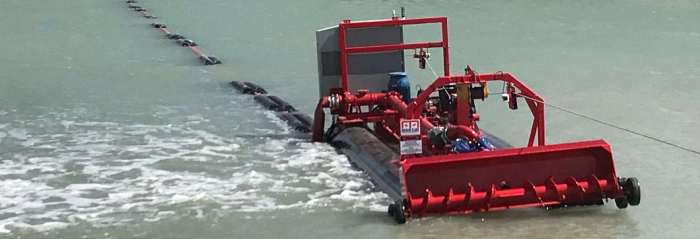
When considering an auger dredge, it’s crucial to understand the price range involved. New models typically start at about $60,000 for smaller machines but can escalate to over $3 million for larger, advanced options. The used dredge market offers more budget-friendly choices, priced between $20,000 and $500,000 based on their condition and features. For instance, the MUDCAT MC2000 is listed at around $70,000 while the high-end ELLICOTT 970 can reach up to $1.6 million. Factors like size, type of dredging method, and brand reputation significantly influence costs. Additionally, buyers should consider extra expenses for accessories and training as they navigate this dynamic market.
1. General Pricing Overview of Auger Dredges
When diving into the world of auger dredge, understanding their costs is essential. New auger dredges generally start at around $60,000 for smaller models, offering a solid entry point for smaller projects. However, if you’re looking for something larger and more advanced, prices can soar to over $3 million. For those considering used dredges, it’s a different ball game altogether. You can find options ranging from about $20,000 to $500,000, depending on factors like age, condition, and specific features.
Financing options are often available, allowing buyers to spread out costs and make the investment more manageable. But don’t forget to include maintenance costs in your budget, as regular upkeep can add up over time. Some prices may also come with warranties or service plans, providing added peace of mind.
It’s important to note that local market conditions can significantly influence pricing. For instance, regional demand can cause prices to fluctuate, especially in peak construction seasons when the demand for dredging equipment spikes. If you’re on the lookout for a bargain, auctions can present a fantastic opportunity, often featuring lower prices.
Additionally, don’t overlook insurance costs, which can vary based on the dredge’s price and intended use. To get the best deal possible, it’s wise to consult multiple sources, ensuring you have a comprehensive view of current pricing trends.
2. Specific Examples of Auger Dredge Prices
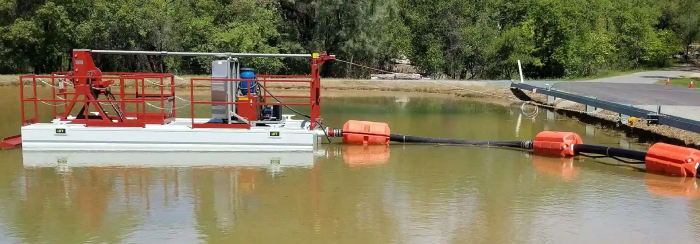
When diving into the world of auger dredges, you’ll find a range of prices that reflect their capabilities and features. For instance, the MUDCAT MC2000 is priced at $70,000 and boasts a 24-inch diameter auger with a digging depth of 20 feet, making it a solid choice for smaller projects. If you’re looking for something more efficient, the 8-inch MUD CAT AUGER DREDGE LWT costs around $180,000 and is designed to enhance productivity.
On the higher end of the spectrum, you’ll encounter the UD479 – Pioneer Dredge Predator 1000-12, available for $595,000, showcasing advanced technology suitable for demanding tasks. If scale is your priority, the ELLICOTT 970, listed at $1.6 million, is tailored for large-scale operations. For the most ambitious projects, a 24-inch cutterhead suction dredge can reach prices up to $3.5 million, reflecting its extensive capabilities.
For those on a tighter budget, it’s worth noting that dredges from lesser-known brands might start as low as $15,000, though they often lack the advanced features found in more reputable models. Additionally, customized dredges can exceed standard pricing by 15 to 30% based on specific needs. If you’re considering used options, reputable older models might be found for around $50,000, but keep in mind they may require repairs. It’s crucial to also factor in the cost of parts and necessary upgrades to get the most out of your investment.
3. Factors Influencing Auger Dredge Prices
When considering the cost of auger dredges, several key factors come into play that can dramatically influence their pricing. First, the size and capacity of the dredge are major determinants; larger models, designed for deeper waters, typically carry higher price tags. Next, the type of dredging method also affects cost, mechanical dredges tend to be less expensive than hydraulic ones, which are more complex in design and operation. The condition of the dredge is another crucial factor: new models are priced at a premium, while used dredges can provide budget-friendly options, often ranging from $20,000 to $500,000 depending on their age and condition. Brand reputation plays a significant role as well, established manufacturers often charge more due to their perceived reliability and advanced technology.
Customization and additional features can lead to significant price increases as specialized dredges with enhanced capabilities come with added costs. Market trends and demand should not be overlooked, as prices can fluctuate based on the popularity of new models and the latest technological advancements. Furthermore, geographical location impacts the final price due to varying shipping and handling costs. Economic conditions, such as inflation or supply chain disruptions, can also influence pricing trends. As technology evolves, new innovations may shift pricing structures, making some models more efficient and potentially more expensive. Lastly, competitor pricing in the industry can exert pressure on manufacturers to adjust their prices, leading to a dynamic marketplace for auger dredges.
4. Additional Costs to Consider
When budgeting for an auger dredge, it’s crucial to consider various additional costs that can significantly impact your overall expenditure. Accessories like dredge pipes and booster pumps are essential, and they can add up quickly. For example, a 12-inch SDR 17 dredge pipe costs around $13 per foot, which can lead to a hefty total if you need a long run. Don’t forget about training costs for operators, as well as maintenance tools, which are ongoing expenses that can catch new buyers off guard.
Transportation is another factor that can inflate your costs, especially for larger dredges that require special handling and more extensive logistics. Additionally, depending on where you plan to operate, there may be permitting and regulatory expenses that must be factored into your budget. Maintenance and repair costs can vary widely, with some parts needing more frequent replacements than others, so having a reserve for this is wise.
Insurance can also be a significant cost, depending on the level of coverage you choose for your dredging operation. Fuel costs are vital to consider as well; larger dredges consume more fuel, which means your operational budget will need to account for this regularly. If your dredging project involves sensitive areas, you may face environmental compliance costs that can add to the financial burden.
Upgrading or retrofitting your existing dredge can also lead to unforeseen expenses, so always keep this in mind. Finally, operational downtime can incur costs too, so it’s essential to budget for potential delays and interruptions to keep your project running smoothly.
- Buyers should factor in costs for accessories like dredge pipes and booster pumps, which can significantly raise the total budget. For instance, a 12-inch SDR 17 dredge pipe costs approximately $13 per foot.
- Training for operators and maintenance tools should also be considered as ongoing costs.
- Transportation costs to deliver the dredge can add up, especially for larger models.
- Permitting and regulatory costs may be required depending on the operational area.
- Maintenance and repair costs can vary, with some parts needing more frequent replacements than others.
- Insurance costs can be substantial, depending on the coverage selected for the dredging operation.
- Fuel costs are crucial to factor in for operational budgeting, especially for larger dredges that consume more fuel.
- Environmental compliance costs may arise, particularly for dredging in sensitive areas.
- Upgrades or retrofitting existing dredges can lead to additional expenses.
- Operational downtime can incur costs, so it’s essential to budget for potential delays.
5. Current Market Trends in Auger Dredging
The auger dredging market is buzzing with exciting developments that affect pricing and availability. A growing preference for used dredges is clear, as many buyers lean towards these more affordable options to meet their project needs without breaking the bank. Meanwhile, technological advancements are reshaping the landscape, leading to designs that are not only more efficient but also more tailored to specific dredging tasks. With environmental regulations becoming stricter, manufacturers are adapting their equipment and methods, ensuring that dredges are compliant while still performing optimally.
Digitalization is another key trend, as the dredging industry embraces new technologies that enhance operational efficiency. This shift allows for better project management and resource allocation, which can ultimately lead to cost savings. Additionally, the rising demand for eco-friendly dredging solutions is pushing companies to innovate and develop products that align with sustainability practices, a factor that is increasingly important in consumer preferences.
The rental market for dredges is also expanding, providing contractors with flexibility in project financing. This is a game-changer, as it allows for access to high-quality equipment without the hefty upfront costs. Increased competition among manufacturers is driving innovation while also influencing price adjustments, making it crucial for buyers to stay informed. However, global supply chain issues can complicate things, affecting the availability and pricing of new dredges.
Lastly, market consolidation is underway, with larger companies acquiring smaller firms to enhance their technology and expertise. This trend is shaping the future of the dredging industry, as companies aim to offer better products and services. Sustainability practices are now a key selling point, influencing how dredges are marketed and how consumers make their choices.
6. Challenges in Pricing Information for Auger Dredges
When it comes to pricing auger dredges, potential buyers face a maze of challenges that can complicate their decision-making process. First, many online resources contain outdated or inaccurate pricing information, making it difficult to get a clear picture of current costs. Accessibility issues on dredge sales pages further emphasize the need for cross-referencing multiple sources to ensure the data is reliable. Regional differences can also create inconsistencies in pricing, as what might be considered a fair price in one area could be completely different in another.
Additionally, the lack of transparency from some manufacturers can hinder buyers’ ability to effectively compare prices. This is particularly concerning in the used market, where uncertainties can lead to fluctuating prices based on demand and availability. Seasonal variations in dredging projects can exacerbate this issue, causing prices to spike during peak periods.
The limited availability of certain models often leads to inflated prices when demand is high, leaving buyers scrambling to justify the expense. Many potential purchasers struggle to find comprehensive lists of features that explain why one dredge is priced higher than another, making it even harder to make informed comparisons. Misleading advertisements can further complicate the buying process, leading to confusion and frustration. With so much information available, it’s easy for buyers to feel overwhelmed, making it essential to sift through various sources carefully to assess overall costs.