
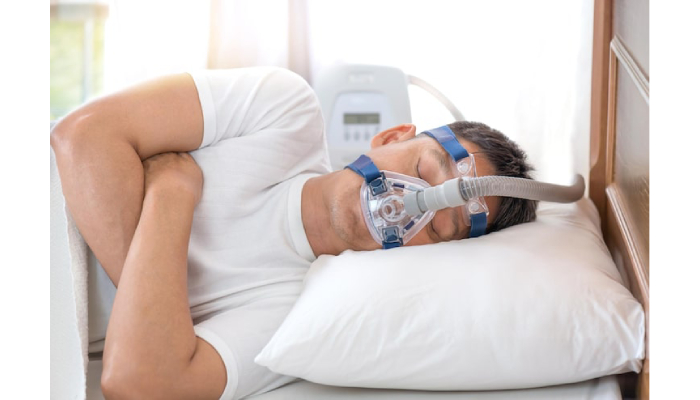
Home sleep apnea tests (HSATs) have revolutionized how we diagnose obstructive sleep apnea (OSA) and related disorders. By offering a convenient alternative to in-lab testing, these portable devices cater primarily to adults suspected of having moderate to severe OSA, especially those who snore, experience breathing pauses, or suffer from excessive daytime sleepiness. Advancements in HSAT technology have led to improved accuracy and user-friendly designs that integrate advanced sensors and AI analysis. With benefits like cost-effectiveness and expanded insurance coverage, more people are opting for HSATs. However, they remain unsuitable for everyone; complex conditions may still require traditional in-lab assessments.
Definition and Purpose of HSATs
At Home sleep apnea test, or HSATs, are innovative portable devices that play a vital role in diagnosing obstructive sleep apnea (OSA) and other sleep-related breathing disorders. One of the most compelling aspects of HSATs is their ability to provide a comfortable testing environment right in the patient’s home, allowing individuals to undergo testing without the stress and disruption often associated with overnight stays in unfamiliar sleep labs. HSATs work by monitoring essential indicators such as airflow, blood oxygen levels, and heart rate during sleep, delivering crucial data to healthcare providers.
These tests simplify the diagnostic process, making it more accessible to a broader range of patients. With user-friendly designs that require minimal setup and operation on the part of the patient, HSATs not only enhance convenience but also empower individuals to take charge of their health. By identifying patients who may need further treatment or interventions, HSATs serve as an important bridge to more comprehensive testing, such as in-lab polysomnography (PSG), when necessary. Moreover, they contribute to earlier diagnosis and management of sleep apnea, which can significantly reduce associated health risks.
In addition, HSATs are becoming integral to increasing awareness and understanding of sleep disorders among patients and healthcare providers alike, ensuring that more individuals can receive the care they need to improve their quality of life.
Indications for Home Sleep Apnea Tests
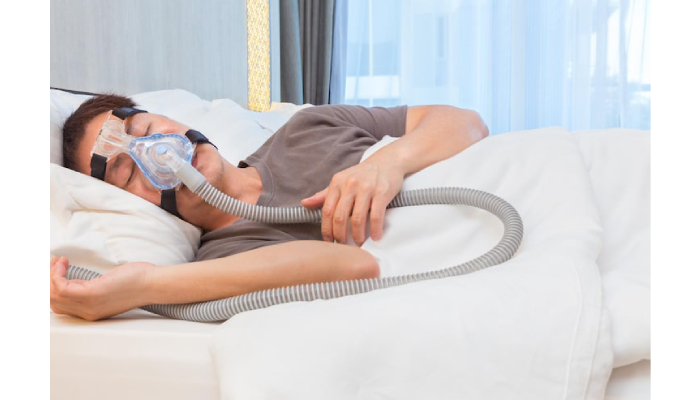
Home sleep apnea tests (HSATs) are primarily indicated for adults who show signs of moderate to severe obstructive sleep apnea (OSA). If a person snores loudly and consistently, they might be a prime candidate for an HSAT, as this is often a flag for potential breathing issues during sleep. Additionally, those who have witnessed breathing pauses while they sleep are strong candidates for testing, as these pauses can indicate serious problems that need further investigation.
Individuals who wake up gasping or choking are also suitable for HSATs, as these symptoms can be alarming and suggest significant sleep-disordered breathing. Excessive daytime sleepiness is another crucial sign of OSA, making HSATs a relevant diagnostic option for those experiencing fatigue during the day.
Moreover, patients with obesity, hypertension, or other known risk factors for OSA should consider HSATs, as these conditions often correlate with sleep apnea. However, it’s important to note that HSATs should not be used as a general screening tool for asymptomatic individuals; this could lead to unnecessary testing and stress.
On the other hand, individuals with complex sleep disorders or significant comorbidities, such as heart or lung diseases, should not rely on HSATs alone. These cases typically require more comprehensive evaluations through in-lab studies to ensure accurate diagnosis and appropriate treatment. A thorough medical history and symptom assessment are essential in determining if an HSAT is the right choice for a patient.
Advancements in HSAT Technology
Recent advancements in home sleep apnea tests (HSATs) have transformed the landscape of sleep medicine. Today’s HSATs are not only more accurate but often rival the sensitivity levels of traditional in-lab polysomnography, providing a reliable alternative for diagnosing obstructive sleep apnea. Equipped with advanced sensors, these devices enhance data collection throughout the night, capturing vital information about a patient’s sleep patterns.
One of the most exciting features is the wireless connectivity that allows for seamless data transfer to healthcare providers, ensuring quick and efficient analysis. This integration with smartphones gives users an intuitive interface, making it easier than ever to monitor their sleep data in real-time. Moreover, the incorporation of AI-powered analysis is revolutionizing the way we interpret sleep data. These sophisticated algorithms provide fast and accurate interpretations, allowing for timely interventions when necessary.
The latest models are designed to be more compact and user-friendly, enabling patients to perform tests in the comfort of their own homes without any hassle. Battery life has also seen marked improvements, allowing for longer testing durations without the fear of interruption. Privacy is paramount; thus, data security measures have become increasingly robust, ensuring that sensitive patient information remains safe and protected.
Some HSATs now even feature real-time monitoring capabilities, providing immediate feedback to patients about their sleep quality. This level of interaction not only engages users but also empowers them to take charge of their sleep health. As ongoing research and development continue to push the boundaries of HSAT technology, we can expect even greater advancements that will further enhance the effectiveness and accessibility of sleep apnea testing.
Benefits of HSATs
Home sleep apnea tests (HSATs) come with a range of exciting benefits that make them an appealing choice for many patients. First and foremost, they offer unparalleled convenience, allowing individuals to conduct tests in the comfort of their own homes. This means no more stressful overnight stays in unfamiliar sleep labs, which can often be uncomfortable and disruptive. The ease of use encourages more people to seek testing, helping to identify undiagnosed cases of obstructive sleep apnea (OSA).
Another significant advantage is cost-effectiveness. HSATs are generally much more affordable than traditional in-lab tests, with prices typically ranging from $200 to $500, compared to $1,000 to $3,000 for lab studies. This affordability makes them accessible to a broader range of patients, especially as insurance coverage for HSATs has expanded significantly over the years; nearly 95% of private insurers now offer support.
Additionally, HSATs lead to quicker diagnosis and treatment, which can significantly improve patient outcomes. With reduced wait times for testing, patients can get the answers they need faster and start their treatment sooner, potentially reducing the risk of complications associated with untreated sleep apnea. This timely intervention is crucial for those experiencing symptoms like excessive daytime sleepiness or high blood pressure.
Flexibility is another key benefit, as patients have the freedom to choose a testing night that fits their schedule. This empowerment allows individuals to take charge of their health, making the whole process less daunting. Overall, the combination of convenience, affordability, quicker diagnosis, and increased accessibility makes HSATs a game-changer in the realm of sleep apnea testing.
Limitations and Considerations for HSATs
Home sleep apnea tests (HSATs) are a fantastic tool for diagnosing obstructive sleep apnea, but they do come with certain limitations that must be considered. For starters, not everyone is a good candidate for HSATs. Individuals with complex sleep disorders or significant health issues, like severe heart or lung conditions, may need more comprehensive evaluations in a sleep lab. Additionally, HSATs should never be used for general screening among people who show no symptoms, as this can lead to misleading results and unnecessary anxiety.
The interpretation of the data collected by HSATs is crucial. It must be handled by qualified healthcare professionals to ensure accurate diagnosis and subsequent treatment. Moreover, some patients may struggle with the devices due to discomfort or difficulty in using them, which can affect the quality of the results. Factors like noise in the environment or temperature can also impact test accuracy, making the home setting less ideal than a controlled lab environment.
Patient compliance is another significant concern. If patients do not use the device properly, the results may be inconclusive, leading to delays in diagnosis or treatment. Also, HSATs may not capture all sleep disturbances, particularly those not related to obstructive issues, necessitating follow-up evaluations for some patients. This means that while HSATs are a convenient option, they should be part of a more comprehensive approach to diagnosing sleep apnea.
- HSATs are not suitable for everyone; complex sleep disorders may require in-lab evaluation.
- Significant comorbidities, such as severe heart or lung conditions, necessitate more comprehensive testing.
- An HSAT should not be used for general screening among asymptomatic individuals, as this could yield misleading results.
- The interpretation of HSAT data must be conducted by qualified healthcare providers to ensure proper diagnosis.
- Some patients may find the devices uncomfortable or challenging to use, which can affect the quality of the results.
- Environmental factors, such as noise or temperature, can impact test accuracy when done at home.
- Patients need to have a certain level of understanding about how to use the device correctly to achieve reliable results.
- The tests may not capture all sleep disturbances, especially those related to non-obstructive issues.
- Follow-up evaluations may still be necessary for some patients after HSATs to confirm the diagnosis or refine treatment plans.
- The reliance on patient compliance can be a limitation; improper usage can lead to inconclusive results.
Clinical Guidelines for HSAT Use
The American Academy of Sleep Medicine (AASM) has laid out clear guidelines for the use of home sleep apnea tests (HSATs). Providers must conduct a thorough clinical assessment before ordering an HSAT, taking into account the patient’s complete medical history and specific sleep symptoms. HSATs are best suited for patients who show a high likelihood of having moderate to severe obstructive sleep apnea (OSA). For example, individuals who snore loudly, experience witnessed breathing pauses, or wake up gasping should be considered for this testing. In contrast, those with lower probabilities of OSA may require in-lab testing for a more accurate diagnosis.
It is crucial that healthcare providers are properly trained to interpret HSAT results. Accurate diagnosis hinges on their understanding of the data collected. After the test, follow-up care is essential, and it should involve close collaboration between patients and their healthcare teams to devise effective treatment plans. Patient education is also a key aspect of the guidelines, ensuring that individuals understand the testing process and how to interpret the results. Moreover, healthcare providers should make sure that patients have access to resources for managing their condition post-diagnosis. As the field evolves, ongoing research will continue to refine these clinical guidelines, influencing how HSATs are utilized in practice.
Future Trends in Sleep Apnea Testing
The future of home sleep apnea testing (HSAT) is set to be dynamic and exciting, driven by increasing demand and technological advancements. As more people recognize the importance of diagnosing sleep apnea, the market for HSATs is expected to grow significantly. Innovative devices will likely emerge, offering enhanced monitoring capabilities, such as tracking various sleep stages, which can provide richer insights into patients’ sleep patterns. The integration of telemedicine with HSATs is another promising trend. This combination could make testing more accessible and convenient, allowing healthcare providers to offer timely support and follow-up through virtual consultations.
Moreover, the collaboration between tech companies and healthcare providers is anticipated to foster innovation in sleep testing. Patient-centered approaches will gain traction, focusing on individual needs and preferences, which can enhance patient engagement and satisfaction. As consumer demand for home health monitoring devices rises, HSAT developers will likely prioritize functionality and ease of use to meet these expectations.
Regulatory frameworks may also evolve to support the safe and effective use of these technologies, ensuring that patients receive quality care. Education and training for healthcare providers will be crucial, allowing them to adapt to these advancements and effectively interpret HSAT data. Overall, the future of sleep apnea testing is bright, with HSATs at the forefront of transforming how we diagnose and manage sleep-related breathing disorders.