
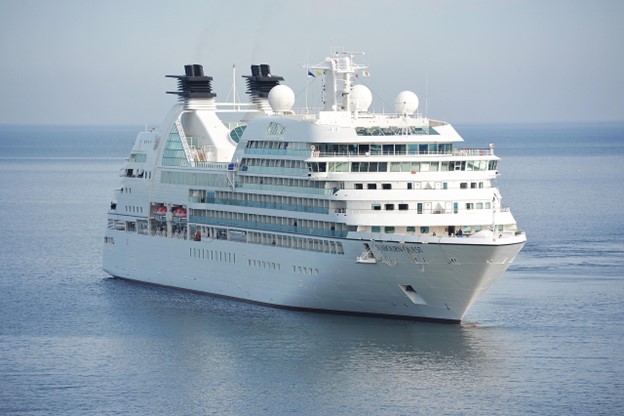
A cruise vacation is meant to be a time of relaxation and adventure, but when an accident occurs at sea, the situation can quickly turn overwhelming. From slips and falls to foodborne illnesses or mechanical malfunctions, cruise ship incidents can lead to serious injuries or even long-term trauma.
The combination of international waters, complex liability laws, and corporate cruise operators often makes it difficult for families to know how to respond. Acting promptly and strategically after an accident is crucial to protecting your family’s rights, health, and financial well-being.
Understanding the Immediate Steps After an Accident
When an accident occurs on a cruise ship, the first and most important priority is ensuring everyone’s safety. Seek immediate medical attention from the ship’s onboard medical staff. Even if injuries seem minor, documenting the condition early creates a record that may prove vital later. Cruise lines typically maintain medical facilities for basic treatment, but serious cases may require evacuation to a hospital at the next port of call.
The days immediately following the accident are critical. Keep copies of medical bills, receipts, and any communication with cruise representatives. Once you return home, follow up with a doctor to evaluate ongoing symptoms or complications. Consulting lawyers in Fort Lauderdale who specialize in maritime law can help you navigate the complex process of holding cruise lines accountable. Because many cruise companies operate out of Florida, working with attorneys experienced in this jurisdiction ensures that your case follows the proper legal channels. These professionals understand how cruise contracts, international law, and company policies affect your right to compensation.
Knowing Your Legal Rights as a Passenger
Most cruise passengers don’t realize that their tickets serve as binding legal contracts. These documents often contain fine print outlining where and how legal claims can be filed. In many cases, lawsuits against cruise lines must be brought in specific courts, often in Florida, regardless of where the accident occurred. Missing these requirements can result in a lost claim, even if the cruise company was clearly at fault.
Passengers generally have the right to seek compensation for injuries caused by negligence. This can include slip-and-fall accidents, food poisoning, assault by crew members, or unsafe conditions aboard the vessel. Because cruise ships operate under maritime law, proving liability requires careful documentation and legal strategy. The company may argue that the passenger failed to take proper precautions or that the injury occurred outside their jurisdiction.
Common Causes of Cruise Ship Accidents
Cruise ships function as floating cities, and with thousands of passengers on board, accidents can arise from a range of hazards. Slip and fall incidents are among the most common, often caused by wet decks, uneven flooring, or poor lighting. While these might sound minor, falls at sea can lead to serious injuries like fractures, concussions, or spinal damage.
Other frequent issues include foodborne illnesses, contaminated pool water, and outbreaks of viruses such as norovirus. Poor sanitation practices or inadequate maintenance can put hundreds of passengers at risk. Mechanical failures, fires, or collisions, though less frequent, can have catastrophic consequences, leading to evacuations or long-term trauma for those involved.
The Importance of Documentation and Evidence
Evidence is the cornerstone of any successful legal claim following a cruise ship accident. The more documentation you have, the stronger your case becomes. This includes photographs, medical reports, receipts, and written communication with the cruise line.
Keep a detailed journal of your experience, noting the progression of your injuries, any treatment received, and how the incident has affected your daily life. Witness statements can further strengthen your claim if they confirm that unsafe conditions existed before the accident.
Seeking Compensation for Damages
Compensation after a cruise ship accident can include reimbursement for medical expenses, lost wages, and pain and suffering. In more severe cases, families may pursue damages for long-term disabilities or emotional trauma.
Because cruise lines are large corporations with extensive legal teams, pursuing a claim independently can be challenging. Attorneys who specialize in maritime law can negotiate effectively on your behalf, ensuring that you receive fair treatment and full compensation for your losses. They can determine whether additional parties, such as subcontractors or tour operators, share liability.
Protecting Your Family’s Future
Recovering from a cruise ship accident can take time, but with the right approach, you can protect your family’s well-being and financial stability. Prioritize medical care and emotional support for everyone affected. Maintaining clear communication and seeking professional guidance from experienced legal and medical experts will make the process more manageable.

While cruise vacations promise adventure and relaxation, unexpected accidents remind travelers of the importance of preparation and awareness. Knowing your rights and acting promptly can make all the difference in securing justice and peace of mind. By taking these steps, you safeguard your recovery and your family’s future after a difficult experience at sea.