
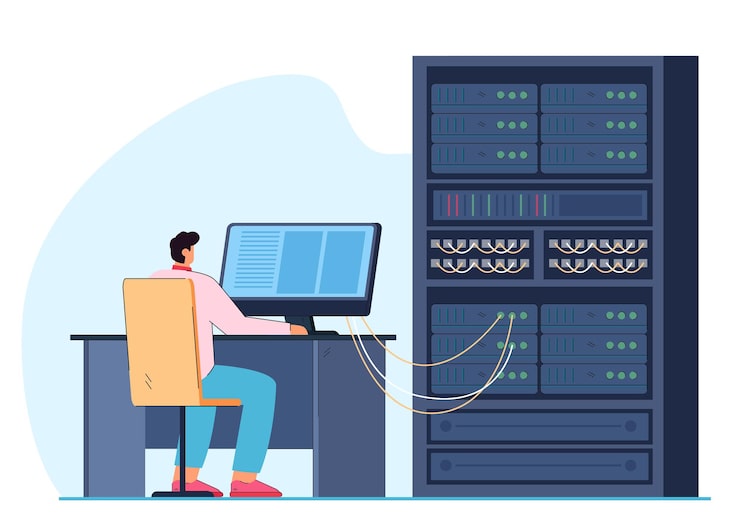
Using a Network Load Balancer (NLB) brings several key advantages to organizations. First, it enhances performance and speed by distributing traffic evenly among servers, helping prevent overloads and improving response times during busy periods. Additionally, NLBs ensure high availability through automatic redirection of traffic away from failing servers, maintaining service reliability. They enable scalability, allowing businesses to adjust resources based on demand without interruptions. Cost efficiency is another significant benefit since optimized resource usage can reduce both bandwidth and infrastructure costs. Lastly, the enhanced security features protect servers from external threats while improving overall user experience through better handling of requests and minimal downtime.
1. Improved Performance and Speed
Network Load Balancer (NLBs) optimize server usage by distributing incoming network traffic evenly across multiple servers. This prevents any single server from becoming overwhelmed, significantly improving application response times and overall user experience. For instance, during peak hours, users can enjoy quicker loading times, which is crucial for maintaining satisfaction. By managing traffic intelligently, NLBs reduce latency, ensuring smooth operations even under high demand. Additionally, faster response times are essential for real-time applications like online gaming or financial trading platforms, where every millisecond counts. This increased performance not only enhances user engagement but can also positively impact search engine rankings, making it a win-win for businesses. Furthermore, NLBs adapt to changing traffic patterns, maintaining speed and reliability even during unexpected spikes in user activity.
- NLBs distribute traffic evenly, which improves server response times.
- Users experience faster loading times, enhancing their interaction with applications.
- NLBs reduce latency during high traffic, ensuring smooth operations.
- By balancing the load, NLBs help prevent server overload and crashes.
- Optimized resource allocation leads to better performance across all servers.
- Load balancers can boost throughput by managing connections intelligently.
- Response times are critical for real-time applications, and NLBs provide this.
- Increased performance directly correlates with higher user satisfaction levels.
- Reduced response times can improve search engine rankings, benefiting businesses.
- NLBs adapt to changing traffic patterns, maintaining speed even during spikes.

2. High Availability and Reliability

Network Load Balancers (NLBs) play a crucial role in ensuring high availability and reliability for online services. They automatically reroute traffic to healthy servers if one fails, which helps maintain service continuity. This automatic failover minimizes downtime and service interruptions, essential for businesses that rely on their applications being available at all times. Furthermore, NLBs perform regular health checks on servers, enabling them to detect issues before users are affected. For instance, if a server goes offline for maintenance, the load balancer can redirect traffic, allowing businesses to perform necessary updates without impacting user access. This approach not only enhances service reliability but also builds trust with customers, as they experience fewer disruptions. Additionally, deploying NLBs across multiple regions can further improve availability, ensuring that services remain operational even during localized outages. Companies can confidently meet their service level agreements (SLAs) by leveraging these capabilities, particularly for mission-critical applications that cannot afford any downtime.
3. Scalability for Growing Businesses
Network Load Balancers (NLBs) provide a flexible solution for businesses looking to grow and adapt to changing demands. They allow organizations to quickly add servers to accommodate increased user traffic, ensuring that performance remains strong even during peak times. This adaptability is especially useful for businesses that experience seasonal spikes in traffic, as they can easily scale resources up or down without interrupting current services. For example, an e-commerce platform may need additional servers during holiday sales but can scale back once the season ends, helping to manage costs effectively.
Moreover, NLBs support dynamic scaling, which automates the addition or removal of servers based on real-time demand. This enables businesses to respond swiftly to market changes, ensuring that they can meet customer needs without delay. Companies can also test new applications in a controlled environment, allowing them to innovate without risking existing services. All of this combines to ensure that growth does not lead to performance degradation, making NLBs an essential tool for any organization aiming to thrive in a competitive landscape.
4. Cost Efficiency through Resource Optimization
Network Load Balancers (NLBs) play a significant role in enhancing cost efficiency by optimizing resource utilization. By effectively distributing loads, NLBs reduce the necessity for excess server resources, which can help businesses avoid over-provisioning. This not only leads to substantial cost savings on infrastructure but also minimizes bandwidth expenses related to data transfer. Additionally, NLBs can prolong the lifespan of hardware by optimizing server usage, thus delaying the need for potentially costly upgrades. This approach allows organizations to allocate resources more effectively, ultimately resulting in a better return on investment for IT expenditures. Furthermore, NLBs can identify underutilized resources, presenting opportunities for cost savings. By streamlining resource allocation, businesses can also lower energy costs associated with running data centers. With clear usage metrics provided by NLBs, effective budgeting for IT expenses becomes more manageable, contributing to a leaner and more efficient infrastructure.
5. Enhanced Security Features
Network Load Balancers (NLBs) serve as a protective barrier between users and backend servers, which enhances overall security. By managing and filtering traffic, they can effectively mitigate DDoS attacks, ensuring that backend servers remain operational even under heavy traffic. Many NLBs also support SSL termination, which simplifies the encryption process, making secure communications easier to manage. Security policies can be enforced at the load balancer level, offering an additional layer of protection for backend servers against unauthorized access. They can incorporate IP whitelisting and blacklisting features, allowing organizations to control who can access their services. Furthermore, NLBs can identify and block malicious traffic patterns, improving the security posture of the entire network. With better traffic management, organizations can enhance their monitoring and analysis of potential threats. NLBs also integrate seamlessly with firewalls and other security measures, creating a layered defense strategy. By hiding the IP addresses of backend servers, they add another level of security, contributing to a safer user experience.
6. Intelligent Traffic Management and Distribution
Network Load Balancers (NLBs) excel in managing traffic intelligently by using a variety of algorithms to effectively distribute user requests. For instance, methods like Round Robin and Least Connections ensure that no single server gets overloaded, optimizing resource usage. NLBs can analyze traffic patterns in real-time, allowing them to adapt and route requests based on server load and health. This dynamic handling prevents any server from becoming a bottleneck, which is crucial for maintaining performance during high-demand periods.
Moreover, NLBs can manage session persistence, which improves user experience by ensuring that ongoing sessions are not disrupted. They can also route traffic based on geographic location, minimizing latency for users around the world. This intelligent traffic management is essential for maintaining service quality, especially during congestion. With the ability to respond quickly to changing traffic conditions, NLBs optimize overall performance and reduce the need for manual intervention in resource management. This automation not only streamlines operations but also enhances the reliability of the services provided.
7. Continuous Health Monitoring of Servers
Network Load Balancers (NLBs) play a crucial role in ensuring the reliability of backend servers through continuous health monitoring. They conduct regular health checks to determine which servers are responsive and functioning well. By routing traffic only to healthy servers, NLBs maintain the integrity of services and enhance overall performance. This proactive monitoring can identify potential issues before they escalate into critical problems, allowing administrators to take corrective action swiftly. In the event of a server failure or performance drop, NLBs can alert the IT team, ensuring they are aware of issues as they arise. Moreover, the continuous health checks support proactive maintenance, which ultimately leads to increased uptime for applications. NLBs also provide valuable metrics and reports on server performance, offering insights that help businesses make informed decisions regarding resource management. These health checks can be tailored to meet the specific needs of different applications, ensuring that monitoring is effective and relevant. Additionally, integrating monitoring tools with NLBs allows for a comprehensive view of the entire server ecosystem. This continuous oversight contributes significantly to optimized server performance.
8. Support for Multiple Traffic Protocols
Network Load Balancers (NLBs) excel in their ability to manage a wide range of traffic types, including HTTP, HTTPS, and TCP/UDP. This flexibility means they can easily fit into various IT environments, accommodating different applications without compatibility issues. For businesses, this multi-protocol support simplifies infrastructure management, allowing organizations to adapt to changing application needs with minimal adjustments. Companies can switch protocols as required, making it easier to deploy new applications without worrying about whether they will work with existing systems. Additionally, NLBs can support legacy systems while organizations transition to newer technologies, ensuring that businesses with diverse operational requirements can maintain efficiency and effectiveness.
9. Simplified Server Maintenance
Network Load Balancers (NLBs) make server maintenance much easier and less disruptive. With NLBs in place, administrators can update or take individual servers offline without impacting user access. During maintenance windows, traffic can be smoothly rerouted to other servers, ensuring that services remain available. This proactive approach minimizes downtime and allows IT teams to keep everything running efficiently. Regular maintenance becomes a less stressful task, leading to improved user satisfaction since disruptions are kept to a minimum. NLBs also help create more organized maintenance schedules and can send automated notifications to users about upcoming maintenance, keeping everyone informed in advance. This streamlined process not only helps ensure that servers are updated and secure but also enhances overall system performance and reliability.
10. User Experience Optimization
Network Load Balancers (NLBs) play a crucial role in enhancing user experience by focusing on speed and efficiency. They minimize latency, which means users can access applications quickly without frustrating delays. By intelligently distributing loads across multiple servers, NLBs ensure that applications respond swiftly to user requests, even during peak traffic times. Improved performance is not just about speed; it leads to higher user engagement and retention, as customers are more likely to return to applications that provide a seamless experience. Furthermore, consistent response times, regardless of traffic fluctuations, help maintain user satisfaction.
NLBs also support high availability, meaning users can access services anytime without interruption. This reliability is essential for businesses that want to keep their customers loyal and satisfied. An optimized browsing experience can directly translate to increased sales, as users are more inclined to complete purchases when they encounter fast, responsive platforms. Additionally, monitoring user feedback allows companies to continually refine their services, enhancing the overall experience. In highly competitive markets, optimizing user experience through effective load balancing can be a significant advantage.
Frequently Asked Questions
What is a network load balancer and why is it important?
A network load balancer is a device that helps distribute incoming traffic across multiple servers. This is important because it ensures that no single server gets overwhelmed, keeping websites and applications running smoothly and reliably.
How does a network load balancer improve the performance of applications?
By spreading out the traffic, a network load balancer helps prevent any one server from getting too busy. This often leads to faster response times and a more pleasant experience for users.
Can a network load balancer help with security?
Yes, a network load balancer can improve security by acting as a barrier between external users and your servers. It can help filter out malicious traffic and protect sensitive data.
What happens if one of the servers behind the load balancer fails?
If a server fails, the network load balancer can automatically redirect traffic to other healthy servers, ensuring that users continue to access services without interruption.
Is it easy to set up a network load balancer?
Setting up a network load balancer can vary in complexity depending on your specific needs, but many solutions offer user-friendly interfaces and support to help you get started smoothly.
TL;DR Network Load Balancers (NLB) improve application performance by distributing traffic evenly across servers, enhancing response times and user satisfaction. They ensure high availability by redirecting traffic away from failed servers, maintaining reliability during outages. NLBs enable easy scalability for growing businesses, optimize resource usage for cost savings, and enhance security by shielding backend servers from direct attacks. With intelligent traffic management, continuous health monitoring, and support for various protocols, they facilitate seamless server maintenance and optimize user experience by minimizing load times and downtime.