
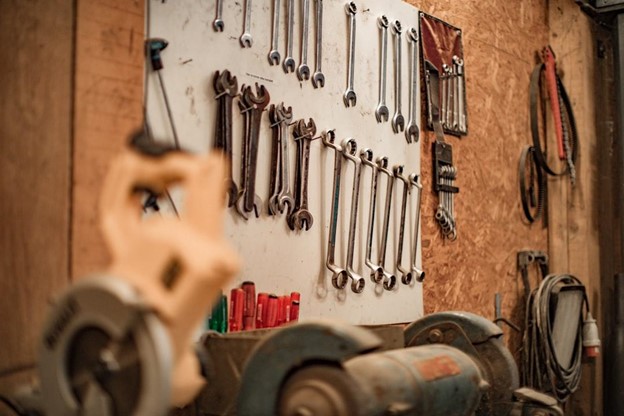
To create a well-organized and functional project area, the proper assembly of fully functional units is a must. From garage workspaces to outdoor storage, knowing how to put together various components can drastically improve efficiency.
This guide focuses on the essentials of assembling different types of units you might need for your designated project space. By following the steps outlined in each section, you can build a setup that meets all your requirements while maximizing utility.
Understanding Your Space
Determining the available space is the first step in creating a customized project area. Factor in the dimensions, layout, and the types of activities that will occur. Assess the lighting, ventilation, and access to power sources, as these factors will influence the kind of assembly you will undertake.
You’ll want a layout that facilitates easy movement around workstations and storage areas. Look into future growth or changes in your project to prevent frequent reorganization. By measuring accurately and planning accordingly, your units will fit perfectly into the desired space without overcrowding.
Building Garage Cabinets for Effective Storage
The most impactful aspect of a functional project area is effective storage solutions. Garage cabinets can organize your tools and supplies so that everything is within reach. When assembling these units, the cabinets should be anchored properly for stability.
Invest in quality hinges and handles to increase durability, which will prevent wear from frequent use. You can customize your workspace DIY cabinets with adjustable shelving, allowing you to change the height based on your needs. Clear labeling maintains organization and leads to increased productivity. As you assemble your cabinets, take care to measure your space accurately to fit against walls or other surfaces.
Choosing the Right Materials
Material selection directly affects the durability and aesthetics of your project area. Common options include wood, metal, and engineered materials, each with distinct advantages. For heavy-duty uses, metal units stand out, offering exceptional strength and support. Wooden units provide a classic look and are easily customizable, made to fit any design preference.
Engineered materials tend to be lightweight and come with ready-made finishes, which saves time in preparation. Moisture or temperature fluctuations may dictate material longevity. Analyze your specific needs carefully before selecting materials, as the right choice will improve functionality and the look of your project area.
The Role of Design in Functionality
An efficient design can elevate the functionality of your workspace exponentially. Consider the flow of activities you engage in to structure the layout accordingly. Desks, cabinets, or shelving should be organized to allow seamless transitions during your work.
Optimizing vertical space by installing shelving can keep essential tools within reach without taking up much floor space. Remember, clutter can stifle creativity, so incorporating components with built-in organization can make a notable difference. Keep in mind that effective design looks good and supports productive habits during work hours.
Lighting Solutions for Your Workspace
In any project area, the right lighting can increase visibility and reduce strain during tasks. Consider the type and intensity of lighting that best suits your work style. Overhead lighting serves as a basic solution, but adding task lighting can improve detail work. LED strip lights under shelves or above work surfaces provide focused illumination, making small items easier to see and manipulate.
Positioning lights to avoid shadows should be part of your planning process. Don’t forget natural lighting: it can elevate mood and concentration levels. Investing in dimmable fixtures allows for varying intensities according to the time of day or task requirements. Proper lighting should boost safety and comfort in your project area.
Incorporating Technology into Your Workspace
Integrating technology into your project area can streamline processes and boost productivity. Essential gadgets like drills, saws, or laser levels can save time. Organize charging stations for power tools and gadgets to avoid power issues halfway through a project. If applicable, think about adding smart devices that can help with project management.
Smart speakers can provide music or assistance while you work. Using tablets or laptops in a designated tech-friendly area may provide easy access to project plans and manuals. Incorporating features like WiFi capability can allow for seamless updates or consultations online.
Maintenance and Care for Longevity
Regularly check units for wear, loose parts, or accumulated dust and grime. Wooden structures require periodic staining or sealing to defend against environmental effects. Keep metal units free from rust by applying a protective coating where necessary.
Schedule semi-annual cleaning sessions to cover all aspects of your space so that everything remains functional. Invest time in rethinking your organization periodically to adapt to changing needs. Regular maintenance practices will preserve your workspace’s appearance and add to its utility.

Incorporating these strategies will create an organized, efficient project area tailored to your specific needs. With proper assembly and maintenance, your workspace will serve you effectively for years to come, improving creativity and productivity.