
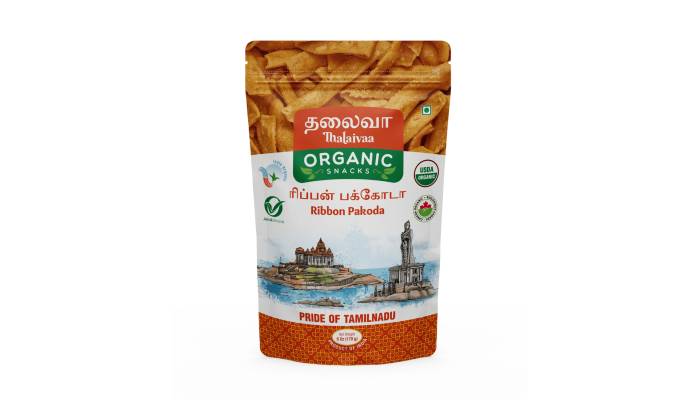
When it comes to keeping organic Indian snacks fresh, there are a few key things to think about. First, know that different snacks have their own shelf life: dry options like chakli can last for weeks, while moist treats like laddus should be eaten within about 10 days unless refrigerated. Use airtight containers made from glass or BPA-free plastic to keep them safe from moisture. Store your goodies in a cool, dark spot away from sunlight which can ruin flavors. For extra protection, try vacuum-sealing or adding silica gel packets. Hygiene matters too; always wash your hands before grabbing a snack and clean storage areas often for the best results.
1. Understanding the Shelf Life of Organic Indian Snacks
The shelf life of organic Indian snacks can vary significantly based on the ingredients used and their moisture content. Dry snacks, like chakli and murukku, can last from several weeks to months if stored properly, while moist snacks, such as laddus, generally last about 10 days at room temperature. Milk-based sweets, on the other hand, have a much shorter shelf life, usually only lasting 2 to 3 days without refrigeration. It’s important to pay attention to expiration dates on packages, even for organic products, as these dates help indicate freshness.
To keep your snacks fresh for as long as possible, proper storage is key. Using airtight containers made from glass or BPA-free plastic can help prevent moisture and maintain flavor. Additionally, storing snacks in a cool, dark place away from sunlight and heat sources is crucial, as exposure to light can degrade oils and flavors over time. It’s also wise to avoid mixing different types of snacks in one container, as this can lead to moisture transfer and spoilage. Regularly checking your stored snacks for signs of spoilage, like off smells or changes in texture, can prevent unpleasant surprises.
Some snacks may even benefit from freezing, particularly sweets that spoil quickly. Incorporating certain spices or herbs like turmeric and cinnamon can also help extend shelf life due to their natural preservative qualities. Lastly, understanding how different ingredients affect shelf life, such as knowing that high-fat snacks can go rancid faster than low-fat options, is essential for maintaining snack quality.
 Shelf life is influenced by ingredients and moisture; dry snacks can last longer than moist ones.
- Watch for signs of spoilage such as off smells or changes in texture; these indicate the snack is no longer good.
- Different snacks have distinct shelf lives; for example, biscuits may last months while milk-based sweets may only last a few days.
- Pay attention to expiration dates on packages, even for organic products, as they help in determining freshness.
- Storing snacks correctly can greatly extend their usability; this includes using appropriate containers and locations.
- Some snacks benefit from freezing; this is especially true for sweets that may spoil quickly.
- Certain spices or herbs can naturally extend shelf life; consider flavors like turmeric or cinnamon that may have preservative qualities.
- Avoid mixing different snack types in one container, as this can lead to moisture transfer and spoilage.
- Regularly check stored snacks for freshness to avoid eating stale or spoiled products.
- Educate yourself about how different ingredients affect shelf life, for example, high-fat snacks may go rancid faster than low-fat options.
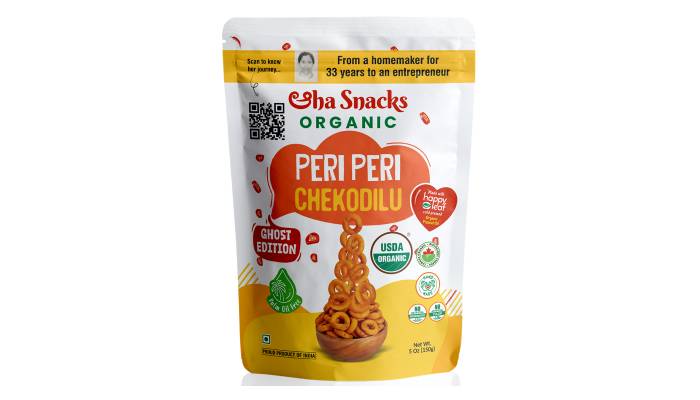 Shelf life is influenced by ingredients and moisture; dry snacks can last longer than moist ones.
3. Importance of Temperature Control
Keeping snacks at the right temperature is crucial for maintaining their freshness. The ideal range for storing organic Indian snacks is between 50°F to 70°F (10°C to 21°C). When snacks are exposed to extreme heat, the oils can become rancid, ruining their flavor and quality. Conversely, extremely cold temperatures can alter the texture, making crispy items lose their crunch. It is wise to avoid placing snacks near heat-generating appliances like ovens and microwaves, as this can lead to unwanted temperature fluctuations. For snacks that are moist, such as laddus, refrigeration can be beneficial for extending shelf life, but regular check-ins are necessary to avoid freezing or texture changes. During warmer months, pay attention to room temperature shifts and adjust where you store your snacks accordingly. Using thermometers in your storage areas can help ensure that the temperature stays in the ideal range. For high-value or delicate snacks, consider climate-controlled storage or insulated containers when traveling, as this can protect them from temperature extremes. Lastly, frequent temperature changes can lead to condensation, which promotes spoilage, so aim for consistent storage conditions.
4. Hygiene Practices for Snack Handling
Maintaining hygiene is crucial when handling organic Indian snacks. Start by washing your hands thoroughly before touching any snacks. This simple step significantly reduces the risk of contamination. When serving or transferring snacks, always use clean utensils instead of touching them directly with your hands, especially if they are meant to be shared. This practice ensures that you do not introduce any unwanted germs to the snacks.
Regularly clean your storage containers to avoid bacteria or mold buildup. It’s also essential to keep the area where snacks are stored clean and free from pests, as these can compromise the quality and safety of your snacks. For added protection, consider wearing gloves when handling snacks, which can provide an extra layer of hygiene.
Store snacks in locations that minimize dust and dirt accumulation, such as cabinets or sealed containers. Always keep food preparation areas sanitized, particularly to prevent cross-contamination from raw foods. To further ensure freshness, consider using separate containers for different types of snacks. This not only prevents mixing but also helps in monitoring the freshness of each item. Finally, educating family members about proper snack handling can promote good hygiene practices in your home.
5. Innovative Packaging for Freshness
Innovative packaging plays a crucial role in keeping organic Indian snacks fresh for longer periods. For starters, vacuum-sealed packaging is a game-changer, as it removes air and helps preserve the flavor and texture of snacks. Similarly, foil-lined bags protect against moisture and light, which can degrade quality over time. Resealable bags are also a convenient option, allowing you to enjoy your snacks while maintaining freshness after opening.
Another exciting development is smart packaging with freshness indicators, which can alert you when snacks are past their prime. This technology can be particularly useful for busy households, ensuring you only consume snacks at their best.
If you’re environmentally conscious, look for biodegradable packaging options that not only keep snacks fresh but are also eco-friendly. Additionally, incorporating moisture-absorbing packets inside packaging can help control humidity levels, ensuring that crunchy snacks remain crispy.
Many brands are now offering innovative packaging solutions specifically designed for organic snacks. For instance, some companies provide portion-sized packaging that helps manage consumption and keeps the remaining snacks fresh. Encouraging manufacturers to adopt better packaging solutions can lead to improved shelf life, benefiting both consumers and the planet. Stay informed about advancements in packaging technology, as these innovations can significantly enhance your snacking experience.
6. Natural Methods for Preservation
Drying foods can significantly extend their shelf life. Dehydrated snacks like dried fruits or certain savory items can last much longer than fresh ones. Fermentation is another effective method, enhancing flavors while acting as a preservation technique for snacks like idli or dosa batter. You can also use natural preservatives, such as salt, sugar, and vinegar, to prolong the life of your snacks. For example, adding salt to a pickle can help maintain its freshness for months.
Spices like turmeric and rosemary possess natural preservative qualities, making them great additions to your recipes. Honey or jaggery can inhibit bacterial growth in sweets, providing both sweetness and preservation. Herbs known for their preservative properties can be infused into snacks, adding flavor while increasing their shelf life. For instance, storing snacks in oil can create a barrier against air and bacteria, helping to keep them fresh.
Pickling is another method worth experimenting with for snacks that can handle acidity, such as vegetables. Researching traditional Indian preservation methods can also provide inspiration, as many techniques have been passed down through generations. Learning how natural ingredients serve dual purposes can help you create snacks that are not only delicious but also last longer.
7. Storage Tips for Specific Indian Snacks
To keep your favorite organic Indian snacks fresh, it’s essential to follow specific storage tips tailored to each type. For crispy snacks like chakli and murukku, store them in airtight containers to prevent moisture from ruining their crunch. Laddus, on the other hand, should be kept in a cool, dry place, avoiding refrigeration to maintain their texture. Kaju sweets benefit from cooler environments, and refrigeration can help extend their shelf life. Mysore Pak should also stay at room temperature in airtight containers to preserve its unique texture.
Namak Para can be stored similarly to chakli, ensuring they remain crunchy. Coconut-based sweets should be consumed quickly and kept in the fridge to prevent spoilage. Roti and paratha snacks are best wrapped in breathable materials to avoid sogginess. Dhokla can be placed in a container with a paper towel to absorb excess moisture, ensuring it stays fresh. Finally, snack mixes thrive in airtight jars to keep all ingredients fresh and crunchy. Taking the time to educate yourself about each snack’s specific storage needs can make a big difference in their longevity and taste.
8. General Tips for Keeping Snacks Fresh
To ensure your organic Indian snacks stay fresh, consider using the FIFO (First In, First Out) method. This means you should consume the older snacks first, helping prevent any from going bad. Avoid buying snacks in bulk unless you have a clear plan to consume or preserve them before they spoil. It’s also wise to store your snacks separately from foods with strong odors, as these can be absorbed and alter the flavor of your snacks. When purchasing, always check for proper sealing to guarantee freshness from the start.
Keep snacks away from air exposure for long periods, as this can lead to staleness. For those snacks you want to store for a longer time, consider using freezer-safe bags, especially for items that freeze well. Regularly inspect your stored snacks for any signs of spoilage or staleness, so you can avoid consuming anything that has gone bad. Educate yourself on the specific storage needs of your favorite snacks, as this knowledge can help you maintain their freshness.
Make it a routine to organize and check your snack inventory, keeping everything in order. Finally, share these storage tips with family and friends; promoting better practices can benefit everyone in your community.
Frequently Asked Questions
What is the best way to keep organic Indian snacks fresh?
To keep organic Indian snacks fresh, store them in airtight containers in a cool, dry place. Make sure they are completely cool before sealing to prevent moisture.
Should I refrigerate organic Indian snacks?
It’s not usually necessary to refrigerate organic Indian snacks, unless it’s specified on the packaging. Refrigerating can affect the texture and taste.
Can I freeze organic Indian snacks for longer storage?
Yes, you can freeze some organic Indian snacks, but make sure they are in airtight containers or freezer bags to prevent freezer burn.
How can I tell if my organic Indian snacks have gone bad?
Check for off smells, changes in color, and unusual textures. If they taste stale or have an unpleasant flavor, it’s best to discard them.
Is there a specific temperature that’s best for storing organic Indian snacks?
Store organic Indian snacks at room temperature, ideally between 68 to 72 degrees Fahrenheit. Extreme heat or cold can affect their freshness.
TL;DR To keep organic Indian snacks fresh, understand their shelf life based on ingredients. Store dry snacks in airtight containers, avoiding sunlight and heat, while moisture control is key for maintaining crispiness. Ideal temperatures range from 50°F to 70°F. Always use clean hands and utensils, and consider vacuum-sealed packaging for added freshness. Natural preservation methods, along with specific storage tips for snacks like laddus and Mysore Pak, will help extend their quality. Follow these practices for long-lasting enjoyment.