

Traveling can be both exciting and exhausting, offering new experiences and sights. It often takes a toll on our health and well-being. One particularly common issue travelers face is eye fatigue, when screens are inescapable.
Whether you’re on a long flight, navigating through an airport, or utilizing your phone for directions, the prolonged use of screens can lead to discomfort and strain on the eyes. Understanding how to protect your vision during travel is key to enjoying your journey without the burden of eye strain.
Understanding Eye Fatigue
Eye fatigue, or asthenopia, manifests itself through symptoms such as dryness, irritation, blurred vision, and headaches. These symptoms can be exacerbated by environmental factors like dry airplane cabins, poor lighting, and the continuous glare from screens.
The eyes typically require regular breaks from focusing on digital displays to relax and recover. Eye fatigue can occur when focusing on near objects for extended periods, leading to the need for conscious effort to prioritize eye care while on the move. Hydration is key in mitigating eye fatigue.
The body dehydrates faster during flights due to the low humidity levels prevalent in airplane cabins. This dehydration translates to dry eyes, contributing to a sense of fatigue and discomfort.
Drinking plenty of water before and during your travel can help keep your eyes moist and reduce the risk of irritation and excessive strain. Incorporating a balanced diet packed with vitamins, such as A, C, and E, can support long-term eye health, providing nourishment that contributes to clearer vision and greater stamina.
The Role of Screen Time in Eye Fatigue
Screen time has dramatically increased during travel. The average person spends about seven hours a day staring at screens, resulting in an increased risk of eye strain and associated symptoms.
While this may seem unavoidable, being conscious of how we interact with screens can lead to significant improvements. Taking breaks from screens, practicing the 20-20-20 rule, and adjusting screen settings to reduce glare and brightness can offer immediate relief. This rule suggests that after every 20 minutes of screen use, you should look at something 20 feet away for at least 20 seconds to give your eyes a chance to relax.
To further prevent eye fatigue, consider investing in high-quality blue light glasses. As explained by experts from Block Blue Light, these glasses filter out the blue light emitted from screens, reducing glare and the risk of eye strain. Taking proactive steps, such as wearing blue light glasses, can drastically reduce discomfort during longer travel times when you may find yourself glued to your screen.
Lighting Considerations While Traveling
Environmental lighting plays a crucial role in eye comfort. The lighting in airports and airplanes can often be inadequate, leading to additional strain when reading or working on devices. If you are a frequent traveler, it would be beneficial to carry a portable reading light.
This allows you to create your own light source in dimly lit environments, reducing the stress on your eyes whether you are enjoying a good book or catching up on emails. Ensuring that your screen brightness is compatible with your surroundings is key. Too bright or too dim screens can increase discomfort, so use screen adjustments thoughtfully.
When possible, position your devices so that they are not facing light sources that create glare. Whether it be sun glare from the window or overhead lights, shielding your screen can minimize reflective light and diminish strain.
For those who may require their devices for reading or work, consider using e-readers, which replicate the look of paper while minimizing strain on the eyes. Such adaptations will allow you to enjoy your content without further taxing your eye muscles during your journey.
Regular Eye Care Practices
Incorporating simple eye care practices while traveling can greatly alleviate fatigue. Blinking regularly helps to replenish moisture on the surface of the eyes. It’s important to practice this alongside sufficient hydration to keep your eyes lubricated and free from dryness.
Another beneficial practice during travel can include eye exercises. Simple stretches, such as closing your eyes for a moment or moving your eyeballs in circles, can improve circulation around your eyes and help them to refresh after extended periods of strain.
Utilizing lubricating eye drops can be a helpful solution to combat dryness. These drops can provide relief from irritation caused by environmental factors, including air conditioning or prolonged screen exposure. Ensuring that you carry a bottle of preservative-free artificial tears can make a significant difference in maintaining comfort throughout your journey.
Prioritizing Eye Rest After Travel
After returning from your travels, it is equally important to prioritize rest for your eyes. Allowing your eyes to recuperate from the exhaustive travel experience can prevent the symptoms of eye fatigue from lingering. Introducing routines such as limiting screen time, taking breaks, and practicing relaxation techniques can give your vision a well-deserved reprieve.
Engaging in activities that do not strain your eyes, such as spending time outdoors or meditating, can help restore comfort. Regaining a balanced routine post-travel will help your eyes recover. Acknowledging when to step back from screens and engage in eye exercises will ensure your vision remains sharp and free from tension.
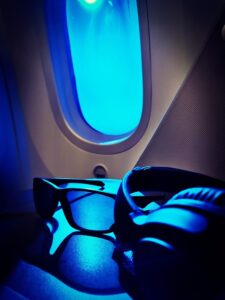
Choosing Travel Habits That Support Eye Comfort
Travel habits influence the way the eyes respond to long hours on the move. Small adjustments, such as limiting screen use during takeoff and landing, help reduce the strain caused by rapid environmental changes and low humidity. These choices create a smoother transition for your eyes during the most demanding parts of a flight.
Wearing a comfortable eye mask during rest periods protects against harsh cabin lighting. This allows your eyes to relax without constant exposure to shifting visual stimuli. With these habits in place, the journey becomes more visually manageable and far less tiring.
Consistent attention to these small behavioral choices supports healthier vision throughout the trip. Even brief pauses from screens or intentional rest can significantly reduce tension. A mindful approach to travel routines ensures your eyes remain resilient and comfortable.
Long journeys often challenge the eyes, yet mindful preparation can transform the experience into a far more comfortable one. Simple adjustments in screens, lighting, hydration, and rest help sustain clarity and reduce unnecessary strain. With thoughtful habits in place, travelers can enjoy their adventures while keeping their vision refreshed and supported from start to finish.