
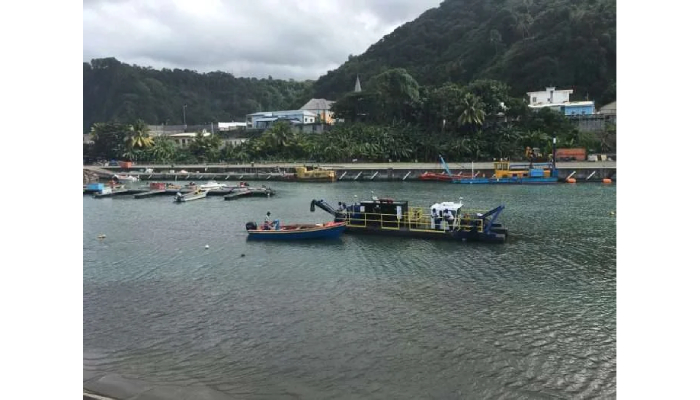
Sand dredging equipment plays a vital role in various sectors, making its uses both fascinating and essential. One significant application is coastal nourishment and beach restoration, where it helps replenish eroded beaches to protect infrastructure. Additionally, sand dredging is crucial for river desiltation, ensuring safe navigation channels for cargo vessels by removing sediment. In construction, it provides high-quality sand necessary for concrete and other materials. Furthermore, land reclamation projects benefit from this equipment by creating new surfaces for development. Environmental applications include cleaning contaminated areas and maintaining wetlands. Lastly, it aids agricultural practices by clearing irrigation channels to improve crop yields.
1. Coastal Nourishment and Beach Restoration
Sand dredging equipment plays a vital role in coastal nourishment and beach restoration, ensuring that our shorelines remain strong and vibrant. The dredged sand is meticulously selected to match the grain size and composition of existing beach sand, which helps in restoring natural habitats for various marine species. This careful selection process is crucial for promoting ecological balance. Moreover, the operation often involves close monitoring of local wildlife, safeguarding marine and coastal ecosystems while enhancing biodiversity.
One of the standout benefits of using dredging equipment is its ability to reach remote beaches, making restoration efforts feasible in areas that are otherwise difficult to access. This accessibility is invaluable, especially when protecting infrastructure from storm surges and rising sea levels. By acting as a buffer, newly nourished beaches can prevent significant property damage and serve as a natural defense against harsh weather conditions.
Innovative techniques are also emerging in this field, such as the use of biodegradable materials to stabilize the newly placed sand, ensuring that restoration efforts are not only effective but also environmentally friendly. Local communities often take an active role in the planning and execution of these projects, ensuring that environmental concerns and community preferences are addressed.
Additionally, ongoing maintenance dredging keeps beaches wide and appealing to tourists, which in turn boosts local economies. Sediment from dredging can also create new habitats for birds and marine life, further enhancing the ecological benefits of these projects. In certain areas, dredged sand is even used to construct artificial reefs, fostering marine life and expanding fishing opportunities. Collaboration with environmental agencies is essential to comply with regulations, ensuring that these restoration efforts are sustainable and beneficial for all.
- Dredged sand is carefully selected to match the grain size and composition of existing beach sand, promoting natural habitat restoration.
- The process often involves monitoring the impact on local wildlife, ensuring that marine and coastal ecosystems remain healthy.
- Dredging equipment can reach remote beaches, allowing for restoration efforts in areas that are hard to access by land vehicles.
- Beach nourishment projects can help prevent property damage by acting as a buffer against storm surges and waves.
- Innovative techniques, such as using biodegradable materials to stabilize newly placed sand, are becoming popular in coastal projects.
- Stakeholders, including local communities, often participate in the planning process to address environmental concerns and preferences.
- Regular maintenance dredging keeps the beaches wide and attractive for tourists, boosting local economies.
- Sediment from dredging can help create new habitats for birds and marine life, enhancing biodiversity.
2. River Desiltation and Navigation Channel Maintenance
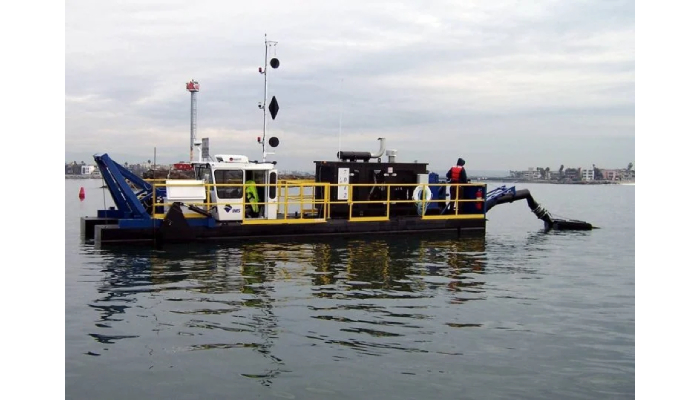
River desiltation is a vital process that ensures our waterways remain open and navigable for larger vessels, which is crucial for trade and transportation. Regular dredging not only manages sediment flow but also significantly reduces the risk of erosion along riverbanks, protecting valuable surrounding land. Moreover, by removing debris and pollutants from riverbeds, dredging can enhance water quality, creating a healthier ecosystem. This sediment removal leads to improved recreational opportunities, such as clearer water and more accessible boating and fishing channels. Thanks to technological advancements, modern dredging equipment allows for precise sediment removal, minimizing environmental impact. Local economies thrive as improved navigation facilitates easier transport of goods and services. Dredging operations are typically scheduled during low-water periods to limit disruptions to aquatic life, demonstrating a commitment to environmental stewardship. Collaboration with local governments and agencies helps prioritize projects that benefit communities the most. Additionally, sediment management plans are put in place to ensure the long-term sustainability of river ecosystems. Innovative techniques, like suction dredging, allow for efficient sediment removal while preserving aquatic habitats, showcasing how dredging can harmonize with nature.
3. Construction Aggregate Recovery
Construction aggregate recovery through sand dredging is a vital process that meets the soaring demand for materials in building and infrastructure projects. This method is not just faster but also more efficient than traditional land-based mining, which often struggles to keep pace with the growing needs of the industry. Dredged sand and gravel possess specific qualities that make them perfect for concrete production and other construction applications, ensuring that projects are built on a solid foundation.
One of the standout advantages of dredging is its ability to access underwater deposits that are otherwise difficult to reach from land. This opens up a consistent supply of raw materials, crucial for construction firms looking to maintain project timelines. The extraction process can be tailored to meet specific project requirements, providing high-quality material recovery that aligns with industry standards.
Additionally, companies are increasingly conducting environmental impact assessments to ensure that extraction practices are responsible and sustainable. This focus not only helps preserve landscapes by reducing pressure on terrestrial mining sites, but it also encourages innovative uses of dredged materials, such as beach restoration projects. By partnering with construction firms, dredging operations can adopt more sustainable practices in sourcing materials, adapting to market trends and shifts in demand for various construction projects.
4. Land Reclamation and Industrial Fill Projects
Land reclamation is an exciting use of sand dredging equipment, as it allows for the creation of new land in coastal areas that can be transformed into vibrant urban developments or industrial sites. This complex process requires careful planning to ensure that the newly formed land is stable and durable for future use. Often, the sand dredged from the sea is mixed with other materials to provide a solid foundation for construction, making it suitable for everything from parks to commercial centers.
Before any project begins, environmental assessments are conducted to evaluate the potential impacts on local wildlife and ecosystems, ensuring that the reclamation efforts do not disrupt nature’s delicate balance. With high-performance dredging equipment, large volumes of sand can be transported efficiently over long distances, significantly speeding up project timelines. Innovative applications, such as creating artificial islands or expanding ports, are becoming more common, showcasing the versatility of this technology.
Community involvement is also key, as engaging local residents helps address concerns and garner support for new developments. After the land is reclaimed, ongoing monitoring and maintenance are essential to prevent erosion and other issues that could arise over time, ensuring that these new spaces enhance urban living and provide lasting benefits.
5. Environmental and Industrial Applications
Sand dredging equipment plays a crucial role in environmental remediation projects, helping to clean up contaminated sites and significantly improving water quality. For example, when dredging is applied to polluted riverbeds, it can restore habitats that support various aquatic species. Additionally, the removal of sediment from lagoons and wetlands aids in restoring ecological balance, which is vital for local wildlife. Dredging is also effective in eliminating invasive species from water bodies, thus helping to preserve native ecosystems. In industrial settings, dredging is employed to manage sediment buildup in ponds, ensuring that operations run smoothly and efficiently. Moreover, the recovery of materials from contaminated areas often involves complex processes that adhere to safety and environmental regulations. As dredging technologies advance, new methods are being developed to enhance efficiency while minimizing environmental impact. Collaborating with environmental organizations ensures that best practices are followed during remediation efforts. Testing dredged sediments for pollutants provides critical information necessary for environmental assessments. Innovative solutions are also being explored for repurposing dredged materials in sustainable construction projects, demonstrating the versatility and importance of dredging in both environmental and industrial applications. Long-term monitoring of dredged sites is essential to ensure that environmental goals are met and maintained.
6. Mining Operations
Dredging plays a pivotal role in mining operations, transforming how we extract valuable minerals from underwater environments. Unlike traditional land-based methods, dredging opens up access to rich resources hidden beneath rivers and lakes, making it an efficient choice for recovering materials like gold and diamonds. The underwater world is often teeming with precious minerals that are hard to reach without this specialized equipment. Safety is paramount in these operations; strict protocols are enforced to protect both workers and the fragile ecosystems surrounding them. With advancements in technology, modern dredging equipment is faster and safer than ever, allowing for targeted extraction based on current market demands. Environmental assessments are essential in these projects, ensuring that the mining practices implemented do not disrupt aquatic life. Moreover, collaboration with local communities is crucial for successful mining initiatives, helping address concerns and garnering support. As research continues into sustainable mining practices, dredged materials find new applications in industries like construction, further showcasing the versatility of dredging beyond just extraction.
7. Hydraulic Dredging for Agricultural Use
Hydraulic dredging plays a vital role in agriculture by ensuring that irrigation channels are clear and functional. This process is essential for maintaining efficient water flow to farms, which can significantly enhance crop yields and optimize land use. By removing sediment build-up, dredging prevents blockages that can lead to flooding and unnecessary water loss, ensuring that farmers have reliable access to water when they need it most. Many farmers work closely with dredging companies to time maintenance effectively, aligning it with planting and harvesting schedules to minimize disruption. Additionally, the materials removed during dredging can be repurposed to enrich soil quality, providing essential nutrients that boost agricultural productivity. Innovative dredging techniques are now available that reduce the impact on farmland, allowing for seamless operations while still addressing the needs of local ecosystems. Overall, regular maintenance of irrigation systems through hydraulic dredging is not just about improving water flow; it is a commitment to sustainable farming practices and community collaboration.