
Have you ever walked into a room and felt instantly captivated by the ambiance? That magical feeling often comes from the perfect lighting. LED art lights have revolutionized how we think about interior design, offering endless possibilities to enhance any space. From miniature crafts to large installations, these versatile lighting solutions can transform ordinary settings into extraordinary experiences. Whether you’re a hobbyist, an artist, or simply someone who appreciates beautiful spaces, understanding the world of LED art lighting opens up a realm of creative opportunities.
What Makes LED Art Light Perfect for Creative Projects?
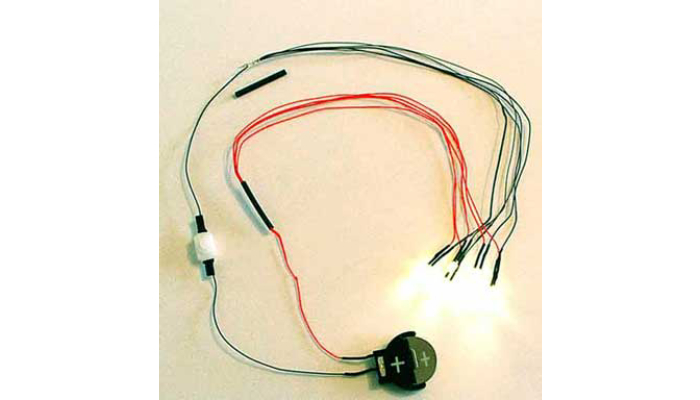
When it comes to adding brilliance to miniature models and artistic displays, led art light solutions stand out as the ideal choice. These tiny powerhouses combine efficiency with incredible versatility, allowing creators to bring their visions to life with stunning precision. The beauty of LED art lighting lies in its ability to fit into the smallest spaces while delivering impressive illumination that can dramatically change the character of any project. Artists and hobbyists have discovered that these lights offer unmatched control over color, intensity, and placement. From dollhouses to dioramas, from model trains to architectural miniatures, LED art lights provide the perfect finishing touch that separates amateur work from professional-quality presentations. The low heat emission means you can place them anywhere without worrying about damaging delicate materials or causing safety concerns. Plus, their energy efficiency ensures your creations can shine for hours without draining batteries or running up electricity costs. Modern LED technology has advanced to the point where these lights can mimic natural sunlight, create mood lighting, or produce vibrant accent colors that make every detail pop.
How Do You Choose the Right LED Art Light?
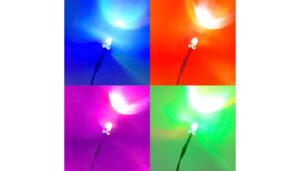
Selecting the perfect LED art light requires understanding your specific needs and the unique characteristics of your project. The first consideration should be the size of the LED itself. Chip LEDs, nano LEDs, and pico LEDs each serve different purposes, with chip LEDs being the most versatile for general applications. Consider the color temperature that best suits your project warm white creates a cozy, inviting atmosphere perfect for residential miniatures, while cool white delivers a modern, crisp look ideal for contemporary designs. The wire length and gauge matter more than you might think, as they determine how easily you can position your lights and hide the wiring. Think about whether you need pre-wired LEDs or if you have the skills to solder your own connections. Pre-wired options save time and frustration, especially for beginners or those working on quick projects. The voltage requirements should match your power source some projects benefit from battery operation for portability, while others can use standard adapters. Don’t overlook the importance of dimmability and color-changing capabilities if you want to create different moods or scenes. Quality matters significantly when choosing LED art lights, as cheap alternatives often produce inconsistent colors, fail prematurely, or create unwanted flickering that ruins the visual effect.
Creative Applications for LED Art Lighting
The applications for LED art lights extend far beyond simple illumination they’re tools for storytelling and atmosphere creation. In dollhouse miniatures, strategically placed LED lights can simulate everything from flickering fireplaces to glowing television screens, from bedside lamps to outdoor street lights. Model railroad enthusiasts use these lights to bring their layouts to life with illuminated buildings, working traffic signals, and train car interiors that glow realistically. Diorama builders employ LED art lights to create dramatic lighting effects that enhance the narrative of their scenes, whether it’s the eerie glow of a haunted house or the warm ambiance of a cozy café. Shadow boxes and display cases become gallery-quality presentations when properly lit with strategically positioned LEDs that highlight key features and create depth. Cosplay and costume designers incorporate these lights to create glowing elements, from lightsabers to arc reactor replicas. Jewelry makers and sculptors use LED art lights to add an extra dimension to their pieces, creating illuminated pendants and light-up sculptures. Photography and video enthusiasts employ these lights as practical effects and supplemental lighting sources. The miniature painting community uses LED art lights not only in their finished dioramas but also as perfect lighting solutions for their painting workstations.
Installation Tips and Techniques
Proper installation transforms good projects into great ones, and LED art lights require careful planning and execution. Start by mapping out your lighting design on paper before making any permanent connections. Consider the sight lines viewers will have and position your lights to create the desired effect without visible wiring or fixtures ruining the illusion. Use appropriate adhesives for mounting LEDs copper tape works excellently for surface mounting, while specialized LED holders provide secure positioning for through-hole installations. Plan your wiring path to minimize visibility, running wires behind walls in dollhouses, under scenery in model railroads, or through hollow bases in sculptures. Create a power distribution plan that allows you to control different lighting zones independently, giving you flexibility in how you present your finished piece. Test all connections before finalizing your installation to avoid the frustration of having to disassemble finished work to fix faulty connections. Use resistors appropriate for your voltage to prevent burnout and ensure longevity of your LEDs. Consider adding switches or dimmers to control your lighting, allowing you to adjust the ambiance or turn off sections you’re not actively displaying. Organize your wires with small cable ties or wire managers to maintain a clean, professional appearance. Document your wiring scheme with photos or diagrams this proves invaluable when troubleshooting issues or making modifications later. Apply heat-shrink tubing or electrical tape to all solder connections to prevent short circuits and improve durability.
Maintaining Your LED Art Light Projects
Long-term enjoyment of your LED-lit creations depends on proper maintenance and care. Regularly inspect your connections for signs of corrosion, especially in humid environments or projects stored for extended periods. Clean your LED lenses gently with a soft, dry cloth to remove dust that can diminish brightness over time avoid harsh chemicals that might damage the plastic housings. Store battery-powered projects with batteries removed if they won’t be displayed for extended periods to prevent corrosion from battery leakage. Check wire connections periodically, as vibration or temperature changes can sometimes loosen connections over time. Replace any LEDs that begin to flicker or dim significantly, as these symptoms often indicate imminent failure that could affect your entire lighting circuit. Keep spare LEDs and resistors on hand that match your project’s specifications this allows quick repairs without hunting for matching components. Protect your projects from extreme temperatures, as both excessive heat and cold can affect LED performance and longevity. For projects on public display, consider installing protective covers or cases that prevent physical damage while allowing viewing. Update your documentation whenever you make repairs or modifications, maintaining an accurate record of your lighting setup. Schedule periodic deep cleaning sessions where you carefully remove dust from all surfaces and check all hidden connections. Consider upgrading older projects with newer, more efficient LED technology as it becomes available many modern LEDs offer significant improvements in brightness, color accuracy, and energy efficiency compared to earlier generations. If you’re planning to showcase your artistic creations at exhibitions or competitions, perform a complete system check well in advance to ensure everything functions perfectly when it matters most.
Conclusion
LED art lights have opened up incredible possibilities for creators across all disciplines, from miniature enthusiasts to professional artists. The combination of small size, low power consumption, minimal heat generation, and brilliant illumination makes them the perfect choice for bringing creative visions to life. By understanding how to select, install, and maintain these lighting solutions, you can elevate your projects from simple displays to captivating works of art that draw viewers in and hold their attention. The investment in quality LED art lights and proper technique pays dividends in the form of stunning results that showcase your skills and creativity. Whether you’re just beginning your journey with miniature lighting or looking to refine your existing techniques, the world of LED art lights offers endless opportunities for innovation and artistic expression. Take the time to experiment, learn from your experiences, and don’t be afraid to push the boundaries of what’s possible with these remarkable little lights.
#LEDArtLight #MiniatureLighting