
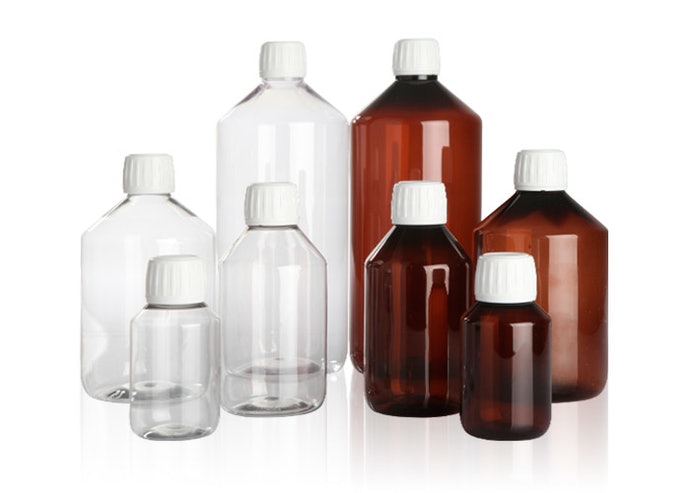
Finding the right packaging partner is crucial for any beverage business looking to make its mark in today’s competitive market. Whether you’re launching a new water brand, expanding your juice line, or introducing innovative drinks, the quality and reliability of your bottle supplier can significantly impact your success. In this comprehensive guide, we explore everything you need to know about selecting manufacturers who can meet your quality standards, production timelines, and budget requirements while helping your brand stand out on crowded retail shelves.
Why Partnering with a Drink Bottle Manufacturer Delhi India Makes Business Sense?
When you’re in the beverage industry or planning to launch a new drink product, finding the right manufacturing partner can make or break your business. The beverage packaging sector in India has grown tremendously over the past decade, and Delhi has emerged as a major hub for manufacturing excellence. The city’s strategic location, well-connected transportation networks, and access to skilled labor make it an ideal choice for businesses looking to source high-quality drink bottles.
Delhi offers a unique combination of traditional manufacturing expertise and modern production facilities. Many manufacturers in the region have upgraded their operations with state-of-the-art machinery and quality control systems. This means you get products that meet international standards while keeping costs manageable. The competitive market environment also works in your favor, as manufacturers constantly innovate to stay ahead. Whether you need PET bottles for water, juice containers, or specialized packaging for energy drinks, Delhi’s manufacturing sector has the capabilities to deliver. The presence of numerous suppliers and raw material vendors in the vicinity also ensures smoother production cycles and faster turnaround times for your orders.
What to Look for in a Drink Bottle Manufacturer Delhi India?
Choosing the right manufacturing partner requires careful evaluation of several factors. Not all manufacturers are created equal, and your choice will directly impact your product quality, delivery schedules, and ultimately, customer satisfaction. A reliable drink bottle manufacturer delhi india should have a proven track record in the industry, with references from satisfied clients and a portfolio showcasing their work.
First, check their production capacity and technological capabilities. Do they have automated production lines? Can they handle your order volume, whether small batches or large-scale production? Modern manufacturing facilities use blow molding technology, injection molding, and other advanced techniques that ensure consistency in product quality. Second, quality certifications matter immensely. Look for manufacturers with ISO certifications, food-grade compliance certificates, and adherence to BIS standards. These certifications indicate that they follow strict quality protocols and their products are safe for food and beverage contact. Third, consider their design and customization capabilities. Your brand needs to stand out on the shelf, so work with manufacturers who offer custom mold development, various bottle shapes, sizes, and color options. Ask about their minimum order quantities and whether they can accommodate special requirements like embossing, labeling, or unique closure systems.
Understanding the Manufacturing Process and Quality Standards
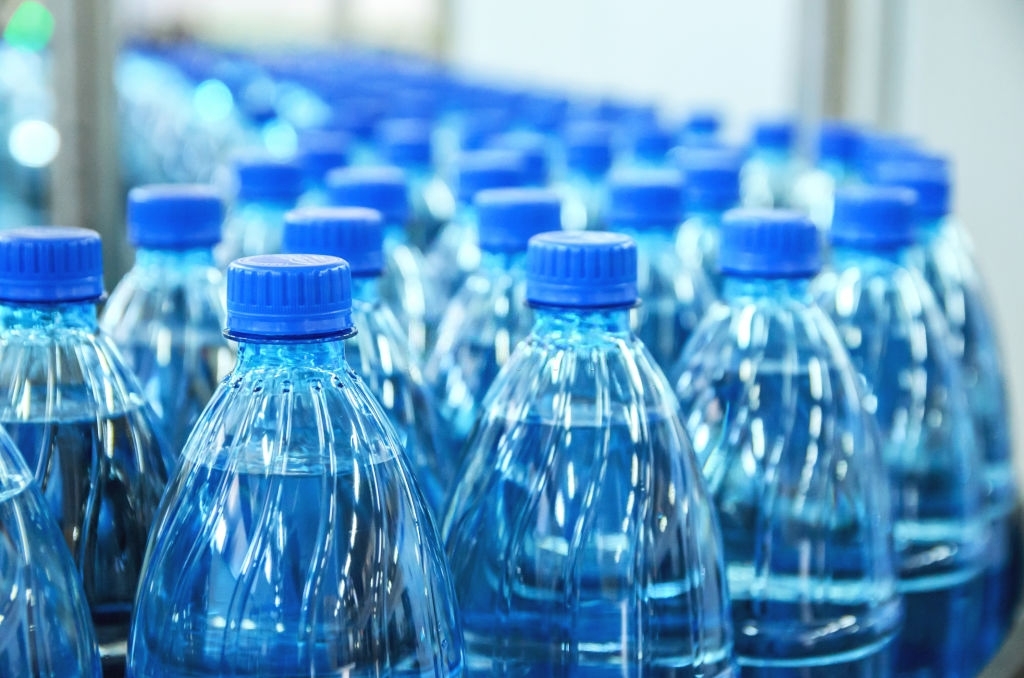
The production of drink bottles involves sophisticated processes that require technical knowledge and precision. Most manufacturers use PET (Polyethylene Terephthalate) as the primary material due to its lightweight nature, durability, and recyclability. The process typically begins with PET resin pellets, which are heated and formed into preforms. These preforms are then reheated and blown into the desired bottle shape using compressed air in specialized molds.
Quality control happens at multiple stages throughout production. Reputable manufacturers inspect raw materials upon arrival, monitor temperature and pressure during molding, and conduct final product inspections before packaging. They check for wall thickness uniformity, proper seal integrity, dimensional accuracy, and visual defects. Some advanced facilities use automated inspection systems with cameras and sensors to detect even minor flaws that human eyes might miss. Environmental considerations also play a significant role in modern manufacturing. Progressive companies implement waste reduction practices, use energy-efficient equipment, and ensure proper recycling of scrap materials. When evaluating potential partners, ask about their sustainability initiatives and environmental compliance. This not only helps you meet your own corporate responsibility goals but also appeals to increasingly eco-conscious consumers.
Cost Factors and Pricing Structures You Should Know
Pricing is naturally a major consideration when selecting a manufacturer, but the lowest quote isn’t always the best deal. Understanding what goes into the pricing helps you make informed decisions and avoid costly surprises down the line. Several factors influence the final cost of your drink bottles.
Raw material costs fluctuate based on global oil prices since PET is petroleum-based. Manufacturers typically build some flexibility into their pricing to account for these variations, but significant market changes might affect your contract. Order volume significantly impacts unit costs – larger orders benefit from economies of scale and result in lower per-piece prices. Customization requirements also affect pricing. Standard shapes and sizes cost less than custom-designed bottles that require new mold development. Mold costs can be substantial, ranging from a few thousand to several hundred thousand rupees depending on complexity, but they’re usually one-time investments. Additional features like special colors, multi-layer bottles, or integrated handles add to the cost. Transportation and logistics form another component of the total cost. While Delhi’s central location helps minimize transportation expenses for many regions, consider the shipping distance to your facility. Some manufacturers include delivery in their quotes, while others charge separately. Request detailed quotations that break down all cost components so you can compare offerings accurately across different suppliers.
Building Long-term Partnerships with Reliable Suppliers
Successful business relationships in manufacturing go beyond one-time transactions. When you find a manufacturer that consistently delivers quality products on time and provides good customer service, it makes sense to build a lasting partnership. Long-term relationships benefit both parties through better understanding of requirements, smoother communication, and often more favorable terms.
Establishing clear communication channels from the start sets the foundation for a strong partnership. Designate specific contacts on both sides who understand the technical and business aspects of your arrangement. Regular meetings or calls help address any concerns proactively rather than waiting for problems to escalate. Discuss quality expectations in detail and establish mutually agreed-upon standards and testing procedures. Many successful partnerships include periodic factory visits where you can observe operations firsthand and meet the team handling your products. This transparency builds trust and gives you confidence in their capabilities.
Consider negotiating framework agreements for long-term supply if you have ongoing requirements. These agreements can lock in favorable pricing, guarantee production capacity allocation, and provide supply security. However, include provisions for periodic review to adjust for market changes. Also discuss contingency plans for unexpected situations like equipment breakdowns, raw material shortages, or increased demand. Manufacturers who have backup plans and can scale operations demonstrate their commitment to reliability. Many businesses also find it valuable to explore related product offerings from their manufacturing partners. If they produce bottles, they might also offer caps, labels, or other packaging components, allowing you to consolidate suppliers and simplify logistics.
For those looking to expand their beverage business, exploring options for business growth strategies can provide valuable insights into scaling operations effectively.
Conclusion
Selecting the right manufacturing partner for your drink bottles represents a critical business decision that affects product quality, costs, and market success. Delhi’s manufacturing sector offers compelling advantages with its combination of technical expertise, modern facilities, competitive pricing, and strategic location. By carefully evaluating potential partners based on their capabilities, quality standards, pricing transparency, and commitment to long-term relationships, you position your business for sustained growth in the competitive beverage market. Take time to visit facilities, verify certifications, speak with existing clients, and ensure alignment on quality expectations before making your final choice. The effort invested in finding the right manufacturer pays dividends through consistent product quality, reliable supply, and a partnership that supports your business objectives.