
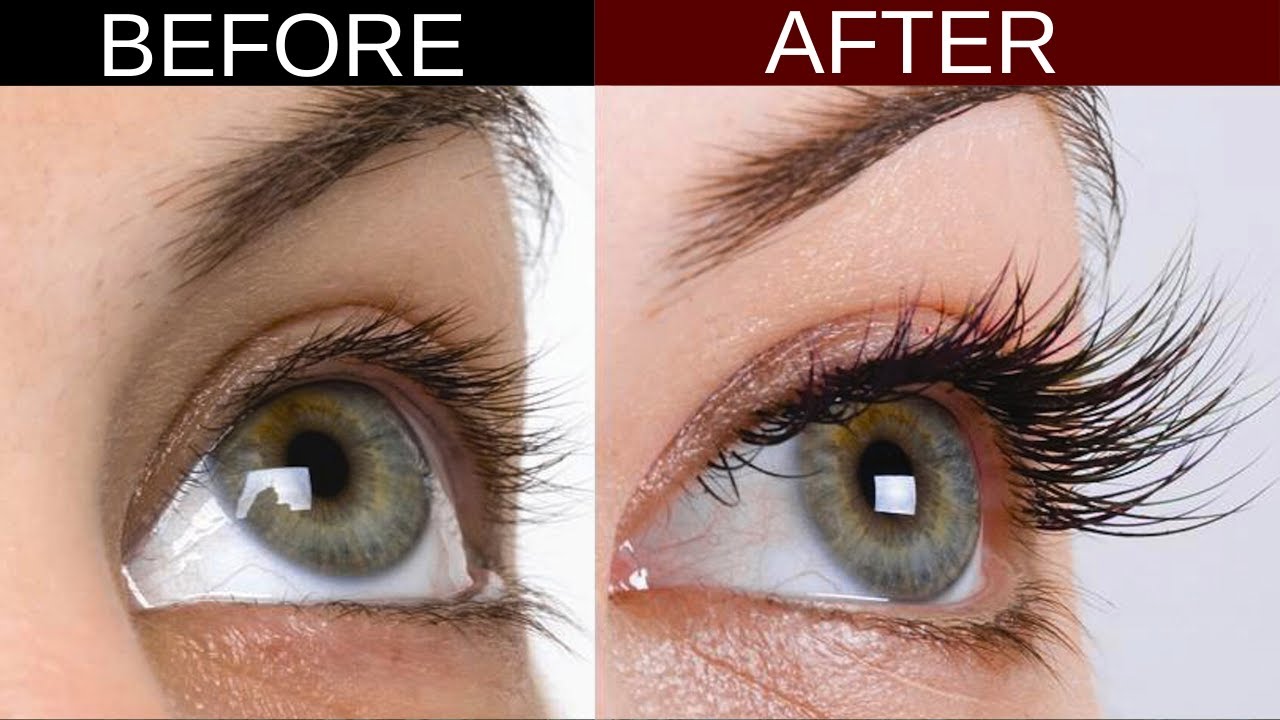
Long, full lashes never go out of style, but the best way to get them often sparks debate. Some people turn to lash curlers, false lashes, or extensions for fast results, while others commit to daily serums that claim to support natural growth over time. Both methods can make lashes look fuller and more defined, but they differ in cost, maintenance, and long-term results.
For most people, eyelash growth serums offer a safer and more lasting way to achieve naturally thicker lashes compared to temporary DIY methods. Serums can nourish and condition real lashes, though consistent use and patience are needed before results appear. On the other hand, DIY lash approaches give instant payoff but may cause breakage or irritation if not done carefully.
Each option has unique benefits, and the best choice depends on personal priorities, like speed, safety, or sustainability. The sections ahead break down how DIY lash methods compare to modern growth serums in performance, ease, and safety, so anyone can choose the approach that suits them best.
Do-It-Yourself Lash Methods: Extensions, Curlers, and More
DIY lash methods offer quick ways to boost lash length, curl, and fullness without salon visits. They range from glue-based lash extensions to heated curlers and nourishing formulas that revitalize hair follicles using serum for long-term results. Each approach differs in cost, comfort, and skill level.
Overview of DIY Lash Improvements
DIY lash techniques usually fall into three categories: extensions, curlers, and conditioning serums. Lash extensions use small lash clusters or individual fibers with adhesive to create longer, more defined lashes at home. Curlers, either manual or heated, lift natural lashes for a more open-eyed look.
Other products aim to improve lash condition over time. Many people prefer to strengthen their natural lashes instead of applying synthetic ones. Using a nourishing serum can help support lash health by feeding roots with peptides and vitamins. This method avoids glue contact near the eye, which reduces irritation risk.
DIY lash tools require patience. Adhesives dry fast, and incorrect placement can lead to clumping or lash loss. Curlers are simpler but provide only temporary lift until the next wash or sleep cycle. Careful selection of tools and hygiene practices makes a noticeable difference in results.
Benefits and Drawbacks of DIY Lash Extensions
DIY extensions can produce impressive results for a fraction of salon costs. A full set of lashes from a salon may cost hundreds, while at-home kits often stay under $30. Many users enjoy the flexibility to shape and layer their lashes exactly as they like.
However, they require steady hands and time. Poor application can cause lash breakage, uneven texture, or glue irritation. Some adhesives last for only a week, while others stay intact longer with gentle care. Removing lashes too roughly may pull natural hairs out, making lashes appear thinner afterward.
Learning proper application takes trial and error. Applying shorter clusters near inner corners and longer ones outward creates a balanced result. Keeping tweezers and brushes clean reduces the risk of infection and helps the extensions last longer.
Cost, Convenience, and Safety Considerations
DIY lash methods cost less than regular salon appointments. The initial investment in glue, lashes, and tools can serve multiple uses, which saves money over time. Curlers and serums require less skill, making them popular among beginners.
At the same time, safety must come first. Glue near the lash line can irritate eyes or damage natural follicles if used improperly. Reading product directions and testing adhesives on skin before use helps prevent allergic reactions.
Convenience plays a large role, too. Applying extensions at home eliminates salon scheduling but demands focus and cleanup. Curlers allow faster results but shorter wear. Those who want low-maintenance results often choose conditioning treatments that naturally support lash growth and reduce the need for harsh adhesives.
Eyelash Growth Serums: Efficacy, Safety, and Results
Eyelash growth serums promise longer, fuller lashes through active ingredients that support the lash growth cycle. The most effective formulas work at the root level to encourage thicker strands while maintaining lash health and preventing breakage.
How Lash Growth Serums Work
Lash growth serums target the hair follicles along the eyelid margin. Many use peptides, amino acids, and vitamins to feed and strengthen lashes. Some prescription formulas include prostaglandin analogs, which can extend the growth phase of each lash. This leads to longer lashes before they naturally fall out.
Over-the-counter versions cannot mimic the medical effect of a prescription product, but can still condition and protect lashes. These often boost the lash surface with nutrients and moisture, which helps reduce brittleness.
Those who use serums must apply them consistently to clean lashes. Skipping applications can interrupt growth cycles. Users should also avoid contact with the eye surface and discontinue use if redness or irritation appears. Most mild reactions fade after stopping use, though persistent irritation may require medical attention.
Comparing DIY vs. Commercial Serums
Homemade lash formulas often mix natural oils such as castor, coconut, or vitamin E oil. These oils coat the lashes and may prevent dryness, but lack proven growth‑stimulating properties. In contrast, commercial lash serums include tested ingredients that interact directly with hair follicles.
DIY methods cost less but pose hygiene risks if containers or brushes are not sterile. Contamination near the eyes can lead to infection or inflammation. Store‑bought products reduce these risks because they pass safety checks before sale.
While natural oils may suit dry lashes, commercial serums generally provide more measurable results. Each person’s response depends on factors like genetics, health, and consistent application habits.
Expected Results and Maintenance
Most users see stronger lashes in 4–8 weeks, but results differ by formula strength. Prescription products often lengthen, thicken, and darken lashes, while nonprescription options mainly condition and create a fuller look over time.
To keep results, users must maintain daily or near‑daily use. Once stopped, lashes return to normal growth cycles over several weeks. It helps to apply serum at night, avoid mascara residue, and replace applicators to keep them clean.
Regular care supports lash integrity, and realistic expectations prevent disappointment. Results remain visible only with steady and careful use.
Conclusion
DIY methods can give short-term lash lift results through natural oils or household mixtures, but consistency and patience matter. Some users may not notice much difference if their hair growth rate is naturally slow. Therefore, results depend greatly on each person’s lash condition and routine habits.
Eyelash growth serums, on the other hand, often use active ingredients such as peptides or prostaglandin-like compounds that nourish and strengthen lashes. These products may lead to fuller, longer lashes after several weeks of daily use. However, mild irritation or redness can occur, so patch testing is wise before use.
Each choice suits different needs. DIY care appeals to those who prefer simple, low-cost routines. Serums appeal to people who want measurable results and are comfortable with a more formula-based option.
In short, they each offer benefits and trade-offs. A person’s budget, skin sensitivity, and patience level should guide the decision rather than trends or quick promises.