
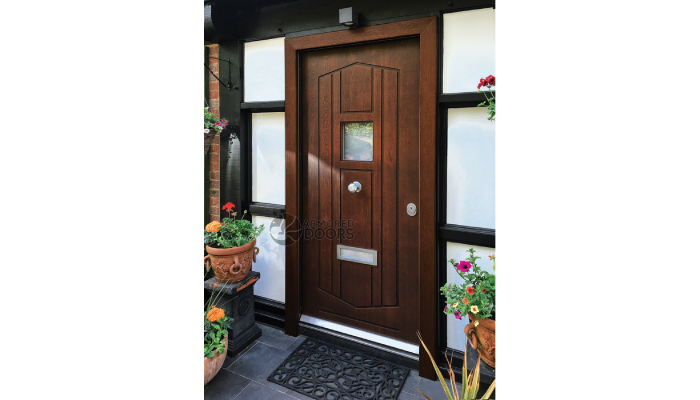
When it comes to protecting your home or business, security doors play a crucial role in providing both physical protection and psychological peace of mind. Modern security doors have evolved significantly from simple metal barriers to sophisticated systems that combine durability, aesthetics, and advanced security features. Whether you’re concerned about burglary prevention, weather resistance, or simply want to upgrade your property’s appearance, understanding the options available is essential for making an informed decision.
What Makes a Modern Security Door Stand Out?
A modern security door represents far more than just a physical barrier between your property and the outside world. These doors incorporate advanced materials and engineering that work together to provide comprehensive protection. Unlike traditional wooden doors that can be easily compromised, contemporary security doors feature reinforced frames, multi-point locking systems, and impact-resistant glass or solid construction. The term “security door” encompasses a range of options, from solid steel doors to aluminum-framed designs with security glass, each tailored to meet different needs and aesthetics. Modern manufacturers have made significant strides in creating doors that don’t sacrifice style for safety. You’ll find security doors in various finishes, colors, and designs that complement any architectural style. This evolution has made it possible for homeowners and business owners to enhance security without making their properties look like fortresses.
 Key Features to Look For
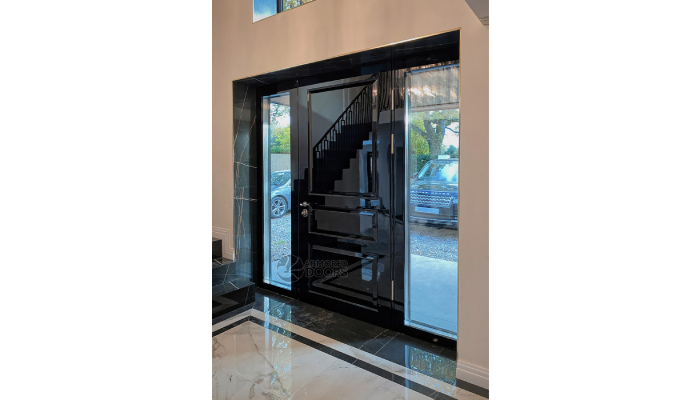 Key Features to Look For
When evaluating security doors, examine the locking mechanism first. Multi-point locks distribute force across the door frame, making it significantly harder to force open. Look for solid core construction or steel reinforcement that can withstand impact. The frame quality is equally important—it should be anchored securely to the wall structure, not just the door jamb. High-quality security doors also feature anti-pry designs that prevent crowbars or similar tools from gaining leverage.
Advanced Locking Systems and Smart Integration
Today’s security doors can integrate seamlessly with your home automation system, offering unprecedented convenience alongside protection. Smart locks allow you to control access remotely, receive notifications when the door opens, and grant temporary access to guests without providing physical keys. Biometric locks add another layer of security by recognizing fingerprints or facial features, ensuring that only authorized individuals can enter. These technological advancements don’t compromise traditional security—most modern systems include mechanical override options and don’t rely solely on electricity. The integration of smart technology with physical security creates a comprehensive approach to home and business protection that addresses both convenience and safety. Many security door manufacturers now offer doors pre-equipped with smart lock compatibility, making it easy to upgrade your security system without replacing your entire door.
Choosing the Right Technology
Smart lock options range from simple keypad entry to sophisticated biometric systems. Consider your lifestyle when choosing—frequent travelers might prefer remote access capabilities, while others might value traditional key security with smart notifications. Ensure any system you select has backup power options and doesn’t compromise the physical security features of your door.
Materials and Durability: What Lasts the Longest?
The material composition of your security door directly affects its longevity, maintenance requirements, and effectiveness. Steel remains the gold standard for maximum security, offering exceptional strength and resistance to forced entry attempts. Solid steel doors can withstand tremendous impact and resist cutting tools, making them ideal for high-risk environments. However, aluminum-framed security doors with reinforced glass provide an excellent balance between security, visibility, and weather resistance. Fiberglass options have gained popularity in recent years due to their durability, insulation properties, and ability to withstand extreme weather conditions without warping or cracking. Each material has distinct advantages—steel provides unmatched strength, aluminum offers lightweight durability with good insulation, and fiberglass excels in coastal environments where salt corrosion is a concern. Understanding these differences helps you select a door that will serve your specific needs for decades to come. Weather-resistant finishes and proper installation ensure your security door maintains its functionality and appearance regardless of climate conditions.
Comparing Maintenance Requirements
Steel doors require regular inspection for rust, especially in humid environments. Aluminum doors need occasional cleaning but resist corrosion naturally. Fiberglass doors are the most low-maintenance option, resisting rot, rust, and requiring only occasional cleaning. Consider your local climate when making your selection.
Installation and Professional Considerations
Even the most advanced security door loses effectiveness if installation is subpar. Professional installation ensures that the door frame is properly anchored, weather seals are correctly applied, and the door operates smoothly without gaps that could compromise security. Improper installation can create vulnerabilities that negate the security benefits of the door itself. Most manufacturers recommend professional installation to maintain warranty coverage and ensure compliance with local building codes. A qualified installer will also ensure that your security door integrates properly with your existing security system, if applicable. They can advise on the best placement for maximum effectiveness and help identify any structural issues that might affect installation. Taking time to find a reputable installer is just as important as selecting a quality door.
Investment in Safety: Understanding the Value Proposition
Security doors represent a significant investment, but one that pays dividends in protection, insurance benefits, and property value. Many insurance companies offer premium discounts for properties equipped with security doors, sometimes covering a portion of the installation cost. Beyond financial considerations, the peace of mind that comes from knowing your property is properly protected is invaluable. Quality security doors can last fifteen to twenty years or more, making the per-year cost quite reasonable for the level of protection they provide. When combined with other security measures—such as security cameras and alarm systems—modern security doors create a comprehensive security infrastructure that deters criminals and protects your loved ones. The investment in lifestyle upgrades should prioritize security as a foundation element.
Conclusion
Modern security doors have become essential components of comprehensive home and business security strategies. By understanding the available options, materials, and technologies, you can make an informed decision that balances protection, aesthetics, and budget. Whether you’re motivated by security concerns, weather resistance, or simply want to upgrade your property’s appearance and functionality, today’s security door market offers solutions for virtually every need. Professional installation and regular maintenance will ensure your investment provides years of reliable protection and peace of mind.