
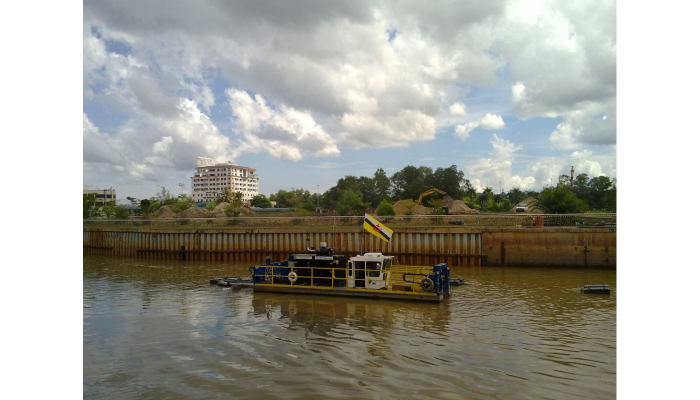
Maintaining river dredging equipment is crucial for maximizing efficiency and prolonging its lifespan. Regular maintenance can save costs by addressing minor issues before they become major problems. Daily inspections should include checking the general condition, monitoring oil and coolant levels, and greasing moving parts like the bearing block and cutterhead. Weekly checks require reviewing the fan belt’s position and inspecting hoses for wear. A preventive maintenance schedule tailored to operational conditions ensures optimal performance, particularly in harsh environments. Utilizing technology like IoT can help predict maintenance needs while adhering to safe operating practices safeguards both equipment and the environment from potential hazards during dredging operations.
1. Why Regular Maintenance Matters?
Regular maintenance is key to keeping river dredging equipment running at its best. It boosts efficiency, allowing projects to be completed more quickly and with less downtime. By identifying and fixing minor issues early on, operators can avoid costly repairs that could arise from neglect. Moreover, maintaining equipment properly significantly extends its lifespan, which is a huge win for any operation.
Unexpected breakdowns can be a nightmare, especially during critical operations. Regular checks help mitigate this risk, ensuring that everything is in top shape when it matters most. Additionally, systematic maintenance routines can ensure compliance with safety and environmental regulations, giving operators peace of mind. A well-maintained dredger not only performs better but also operates more quietly and smoothly, enhancing crew comfort during long hours of work.
Beyond operational benefits, consistent upkeep fosters a culture of safety and responsibility among the crew. Tracking performance through a maintenance log can also improve the equipment’s resale value, making it a smart investment for the future. In short, regular maintenance is not just about keeping the dredger working; it’s about maximizing efficiency, safety, and longevity.
 2. Daily Inspection Checklist
 2. Daily Inspection Checklist
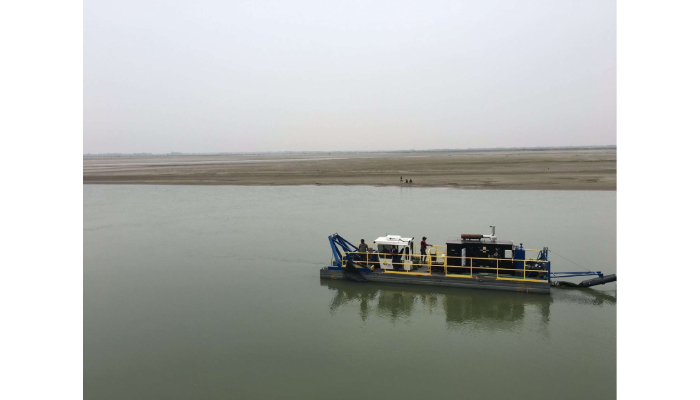
To keep your river dredging equipment in top shape, start each day with a thorough inspection checklist. First, assess the general condition of the equipment for any visible wear or damage, such as cracks or loose components. Next, check the oil levels in both the engines and hydraulic systems; this helps prevent leaks and ensures smooth operation. Don’t forget to test the coolant levels, as proper coolant helps maintain safe engine temperatures. Greasing all moving parts is crucial, especially for the bearing block and cutterhead, to prevent wear and tear.
Additionally, inspect electrical connections for corrosion or loose wires, as these can cause unexpected operational issues. Ensure that safety devices, such as alarms and emergency shut-offs, are functioning correctly. Check the lights and signals on the dredger to ensure visibility and communication during operations. Secure all tools and equipment, confirming that they are in good condition and ready for use. Finally, review operational logs for any anomalies from previous shifts, and conduct a basic safety briefing with the crew before starting daily operations. This checklist is key to maintaining efficiency and safety on the job.
- Inspect the general condition for any visible wear or damage.
- Check oil levels in engines and hydraulic systems to prevent leaks.
- Test coolant levels to ensure the engine operates within safe temperatures.
- Grease all moving parts, especially the bearing block and cutterhead.
- Inspect electrical connections for corrosion or loose wires.
- Ensure safety devices are operational, such as alarms and emergency shut-offs.
- Check for proper functioning of lights and signals on the dredger.
- Verify that all tools and equipment are secured and in good condition.
- Review operational logs for any anomalies from previous shifts.
- Conduct a basic safety briefing with the crew before starting daily operations.
3. Weekly Maintenance Tasks
Weekly maintenance tasks are crucial for keeping river dredging equipment in top shape. Start by emptying the water separator to prevent oil contamination, which can lead to performance issues. Next, inspect the fan belts for proper tension and alignment, adjusting them if necessary to avoid unexpected breakdowns. It’s also important to examine the hydraulic hoses for any abrasions, cracks, or leaks, as these can compromise the entire system.
Check the condition of the dredge pump and impeller for any signs of wear; a well-maintained pump ensures optimal flow and efficiency. Don’t forget to clean filters and screens, as clogged components can significantly reduce performance. Also, verify the integrity of all safety equipment, replacing any expired items to ensure a safe working environment.
Inspect the cutterhead for wear and ensure it is properly aligned to avoid operational issues. Lubricating all bearings and moving parts is essential to reduce friction, which leads to smoother operation. Finally, review and update your maintenance logs to keep track of completed tasks, and schedule any needed repairs or replacements before the next operational period. These tasks not only enhance efficiency but also extend the lifespan of your equipment.
4. Hourly Maintenance Guidelines
Keeping an eye on your river dredging equipment every hour during operation can make a huge difference. Start with a quick visual inspection to catch any visible issues early on. Make it a habit to check fluid levels frequently, especially hydraulic and fuel fluids, to ensure everything runs smoothly. Monitoring engine temperatures and pressures is key, as it helps you spot any irregularities before they become serious problems. Pay attention to unusual sounds, as they can signal that something isn’t right.
It’s also crucial to keep the dredge free of sediment buildup around critical components, which can hinder performance. Adjust the suction depth as needed to optimize dredging efficiency. Document any issues you encounter during operations; this record will be invaluable for future reference. Always keep emergency tools and supplies within easy reach, just in case something goes wrong.
Don’t forget to communicate regularly with operators to gather their feedback on equipment performance. This collaborative approach can help identify potential problems early and improve overall efficiency.
5. Setting Up a Preventive Maintenance Schedule
Creating a preventive maintenance schedule is vital for keeping river dredging equipment in top shape. Start by assessing the specific needs of your equipment, taking into account its type and the conditions under which it operates. From there, develop a detailed calendar that outlines daily, weekly, and monthly tasks to ensure nothing gets overlooked. It’s essential to incorporate seasonal considerations, especially in environments where conditions can shift drastically, which can impact equipment performance.
Utilizing software tools can make tracking maintenance schedules and alerts much more manageable, helping you stay organized and proactive. Additionally, set aside a review period to evaluate the effectiveness of your maintenance plan, this allows you to refine your approach over time based on what works best. Engaging operators in discussions about the schedule can yield valuable insights and potential improvements, making the maintenance process more collaborative and effective.
Don’t forget to allocate time for unexpected repairs, as this can help you avoid disruptions to your schedule. Reviewing industry standards and best practices can also provide guidance as you develop your plan. Make sure all crew members understand their responsibilities within the schedule to ensure smooth operations. Lastly, be flexible and ready to adjust the plan as needed, based on performance data and operator feedback, to keep everything running efficiently.
6. Inspecting Critical Equipment Components
To keep your river dredging equipment running smoothly, regularly inspecting critical components is key. Start with the hydraulic systems: check for leaks and ensure the fluid is clean and at the right level. Don’t forget to inspect the pumps for wear; replacing impellers when necessary can prevent performance issues. Hoses should be examined for signs of deterioration or pressure loss, as this could lead to bigger problems down the line. Make sure to assess the engine and transmission systems, verifying that they are performing optimally. Gauges and sensors play a crucial role, so check that they are all functioning correctly to avoid misreading critical data. Electrical systems and connections should also be inspected regularly, as loose connections can cause operational failures. Look for any corrosion on metal parts and treat it as necessary to maintain structural integrity. Safety devices must be operational and easily accessible to ensure a safe working environment. Review the equipment’s manual for specific inspection points, as different models may have unique requirements. Implementing a detailed checklist can help ensure that no critical components are overlooked, keeping your dredging operations efficient and effective.
7. Safe Practices While Operating Dredgers
Operating dredgers safely is crucial for protecting both personnel and equipment. First and foremost, training operators in safety protocols is essential before they embark on any work. This ensures that everyone is familiar with the risks involved and knows how to mitigate them. Clear communication among crew members can make a significant difference during operations. Establishing effective communication methods helps prevent misunderstandings and ensures that everyone is on the same page.
Implementing a buddy system for safety checks promotes accountability and encourages team members to look out for one another. Regularly reviewing emergency procedures and conducting drills keeps safety protocols fresh in everyone’s mind, preparing the crew for unexpected situations. It’s also vital for all crew members to wear appropriate personal protective equipment (PPE) at all times, as this simple practice can significantly reduce the risk of injury.
Before starting operations, conducting pre-operation surveys helps identify potential hazards in the dredging area. This proactive step allows the crew to plan accordingly and avoid dangerous situations. Keeping a first-aid kit readily accessible onboard is a must, ensuring that help is at hand in case of minor injuries. Furthermore, every crew member should be aware of the evacuation routes to guarantee a swift response in emergencies.
Maintaining a clean and organized work environment is another key factor in reducing accidents. Clutter can lead to trips and falls, so it is essential to keep work areas tidy. Monitoring weather conditions closely allows the crew to adjust operations as necessary, ensuring that safety remains the top priority. By following these safe practices, dredging operations can run smoothly and efficiently while prioritizing the well-being of everyone involved.
8. Environmental Safety Measures
Maintaining environmental safety during river dredging is crucial for protecting aquatic ecosystems. To minimize sediment disturbance, adopt best practices that limit disruption to the riverbed, ensuring that the natural habitat remains intact. Implement effective containment measures to prevent oil spills and leaks, safeguarding water quality. Regularly monitor water quality to comply with environmental standards, using biodegradable lubricants and fuels whenever possible to reduce the ecological footprint. Educate your crew about the importance of protecting aquatic ecosystems, emphasizing their role in maintaining a healthy environment. Conduct regular training sessions on environmental regulations and best practices, so everyone is up to date. Establish clear protocols for handling and disposing of hazardous materials to prevent contamination. Utilizing silt curtains can help control turbidity in sensitive areas, which is vital for aquatic life. Engage with local environmental agencies for guidance, ensuring that your operations align with regulatory requirements. Finally, document all environmental measures taken for compliance and reporting, demonstrating your commitment to sustainable dredging practices.
9. Leveraging Technology for Maintenance
The integration of technology into river dredging equipment maintenance can revolutionize how we manage our assets. Utilizing IoT sensors allows for real-time monitoring of equipment health, ensuring that any anomalies are detected early. This proactive approach is further enhanced by predictive maintenance tools that can forecast when repairs are necessary, helping prevent unexpected breakdowns.
Telematics plays a crucial role by tracking equipment location and performance data, providing insights that can help optimize operations. Additionally, mobile apps can streamline the process of logging maintenance tasks and reporting issues, making it easier for teams to stay organized.
For hard-to-reach areas, drone technology is a game changer, enabling aerial inspections that can reveal potential problems without the need for hazardous climbing or extensive ground work. Analyzing data trends from these technologies can aid in refining maintenance schedules, thus reducing downtime and improving efficiency.
Implementing 3D modeling can further enhance planning and visualization, allowing teams to foresee maintenance needs with clarity. Engaging in training programs ensures that staff are well-versed in these new technologies, maximizing their effectiveness.
Staying updated on emerging technologies is vital, as advancements continue to surface that can enhance maintenance practices. Forming partnerships with tech companies can also yield customized solutions tailored to specific dredging operations, ensuring that your maintenance strategy remains cutting-edge.
10. Troubleshooting Common Issues
When troubleshooting river dredging equipment, it’s essential to identify and address issues promptly to ensure smooth operations. Start by checking for blockages that may cause reduced discharge flow, as these can significantly hinder performance. If the engine overheats, monitor its performance closely, inspecting coolant levels and airflow to keep everything running efficiently. Pay attention to any cavitation noises, as these can signal potential intake restrictions that need immediate attention.
Additionally, keep an eye out for hydraulic fluid leaks, ensuring that levels are properly maintained to avoid malfunctions. Unusual vibrations can indicate underlying mechanical issues, so it’s wise to investigate these promptly. Keeping a log of recurring problems helps identify patterns and root causes, making it easier to tackle persistent issues. Encourage your crew to share insights about equipment behavior during operations, as their firsthand experiences can be invaluable.
Utilizing diagnostic tools can help pinpoint issues accurately and efficiently, minimizing downtime and preventing costly repairs. Promote an open dialogue about problems encountered to foster teamwork in troubleshooting and ensure everyone is on the same page. Finally, regularly review and update troubleshooting protocols based on new findings to adapt to changing conditions and improve overall equipment reliability.
11. Post-Operation Maintenance Steps
Thorough equipment cleaning is the first step to ensuring longevity. Give your dredging equipment a complete wash-down to eliminate mud and debris, which can lead to corrosion over time. Next, flushing the hydraulic system is essential; this removes any contaminants and helps extend the life of the system. Inspect for damage as well, looking for any cracks or dents that may have occurred during operation, as these can compromise performance.
Don’t forget to reapply lubrication to all moving parts. This is vital for smooth operation the next time you use the equipment. After that, draining all fluids, including oil and coolant, is crucial to prevent contamination and ensure clean storage. Check all electrical connections and wiring for signs of wear to maintain safety and functionality.
Battery maintenance is another key step. Clean the terminals and check the charge levels to ensure reliability when starting up. Document your findings in a detailed log to keep track of any issues encountered during checks, which will be useful for future reference.
Proper storage of your equipment is also important. Use protective covers and store it in a dry, sheltered location to guard against the elements. Lastly, based on your findings, schedule any necessary follow-up maintenance or repairs to keep your equipment in top shape for the next project.