
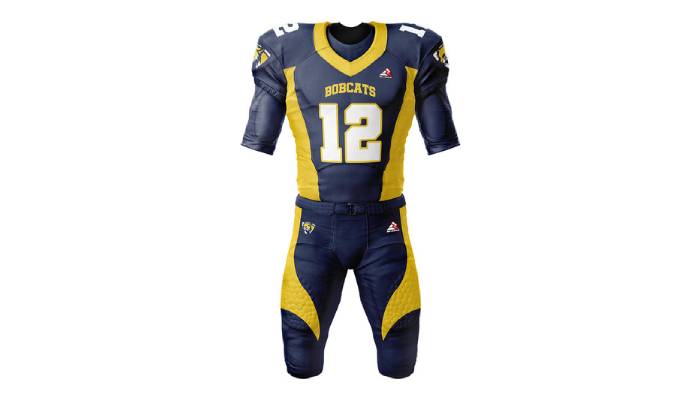
Designing custom football uniforms is important for representing your team effectively. Start by defining your team’s identity through chosen colors, logos, and values that reflect its spirit. Selecting the right fabric is equally essential; lightweight and moisture-wicking materials enhance performance while ensuring comfort during games. Pay attention to fit, jerseys should be snug yet mobile while pants need to accommodate padding without hindering movement. Consider bold typography for player names and numbers along with strategic logo placements. Engage with players for feedback after testing prototype uniforms to ensure comfort and functionality, creating a design that inspires pride as well as unity on the field.
1. Define Your Team’s Identity
Defining your team’s identity is the first and most crucial step in designing custom football uniforms. Start by choosing colors that resonate with your team’s culture and history, aiming for two to three strong shades that reflect your spirit. For instance, if your team has roots in a particular region, consider incorporating local symbols or colors to foster a sense of community pride. Next, the logo should be easily recognizable and versatile, making it effective across various applications, from jerseys to promotional materials. Think about using unique patterns or designs that capture your team’s character, whether it’s speed, resilience, or teamwork. Engaging your players in discussions about what the team represents to them can lead to more meaningful designs. This collaboration can also inspire a slogan that embodies your team’s spirit and values, which you can integrate into the uniform. Additionally, consider including imagery that highlights your team’s history or achievements, helping to create a connection with fans and players alike. Remember to design with versatility in mind, ensuring that the uniforms look good both on and off the field. Aim for a timeless design, steering clear of overly trendy elements that might quickly become outdated. Finally, gathering input from fans can provide valuable insights into how they perceive the team’s identity, further enriching the design process.
- Choose colors that resonate with your team’s culture and history.
- Incorporate local or regional symbols for a sense of community pride.
- Ensure the logo is easily recognizable and versatile for various uses.
- Consider using a unique pattern or design that reflects team characteristics.
- Engage players in discussions about what the team represents to them.
- Create a slogan that embodies the team’s spirit and values, and integrate it into the design.
- Utilize imagery that reflects the team’s history or achievements.
- Think about how the design will look both on and off the field.
- Ensure the design is timeless, avoiding overly trendy elements that may quickly become outdated.
- Collect input from fans to gauge their perception of the team’s identity.
 2. Choose the Right Fabric
 2. Choose the Right Fabric
Selecting the right fabric is crucial for designing football uniforms that not only look good but also perform well on the field. You want fabrics that are durable enough to withstand the physical demands of football, ensuring they hold up during rigorous play. Look for materials with anti-microbial properties to help reduce odor, keeping players feeling fresh even after intense games. It’s also important to evaluate the weight of the fabric based on the weather conditions your team will face. For example, lighter fabrics might be better for hot weather, while heavier options could provide warmth during colder games.
Sustainable fabric options are increasingly popular, appealing to environmentally conscious players and fans. Consider testing fabric samples to assess breathability and moisture management; this will help keep players comfortable throughout the game. Additionally, check if the fabric can endure multiple washes without fading or losing its shape, as uniforms will need to be cleaned regularly.
Reflective materials can enhance visibility in low-light conditions, which is particularly beneficial for evening games. Ensure that the chosen fabrics allow for easy printing or embroidery of team logos and numbers, as this is essential for team identity. You might also explore water-resistant treatments for uniforms to improve performance in wet conditions. Lastly, factor in the cost of fabric, striking a balance between quality and budget constraints to ensure you get the best value for your investment.
3. Ensure Fit and Comfort
To create football uniforms that players will love, it’s crucial to focus on fit and comfort. Start by offering a range of sizes to accommodate all body types on the team, ensuring that everyone feels included. For those with unique fit requirements, consider custom tailoring options that cater specifically to their needs. Incorporating adjustable features, like elastic waistbands, can provide a better fit, allowing players to move freely. Ergonomic designs are vital, as they support natural body movements during play, enhancing performance.
Strategically placing seams can help avoid chafing, especially during intense games, which is essential for maintaining comfort. Testing various size samples with players will provide valuable feedback on fit, helping you make necessary adjustments. Additionally, think about layering; the uniforms should allow players to wear pads comfortably underneath.
Consider the climate, too: lighter fits work better for warm weather, while slightly heavier options can keep players warm in colder conditions. Assessing how the uniform performs during various activities beyond just football will give you a better understanding of its overall comfort. Features like stretch panels can also add to the overall comfort, allowing for better movement and flexibility.
4. Incorporate Design Elements
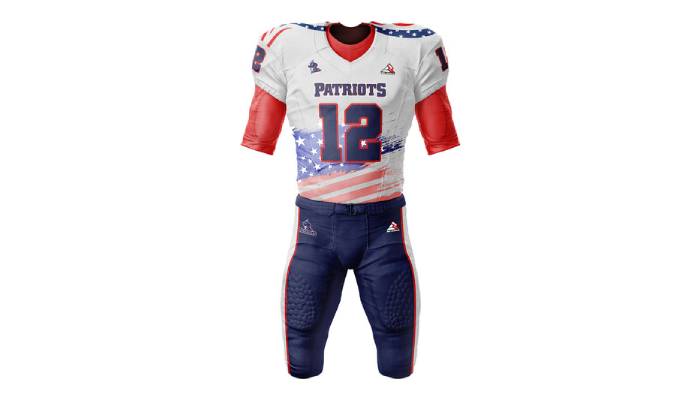
When designing custom football uniforms, incorporating various design elements can elevate the overall look and feel. Start by exploring different layouts, ranging from classic styles that evoke tradition to modern aesthetics that appeal to a younger audience. Using contrasting colors for numbers and letters is essential for enhancing visibility on the field, making it easier for players and spectators to identify team members.
Adding subtle details like piping or stitching can also enrich the uniform’s appearance, providing depth and character. For a more dynamic look, consider integrating gradients or textures that catch the eye. Consistency across all uniform components, including helmets and socks, is crucial for creating a cohesive team identity.
Look to your team’s history or notable achievements for inspiration, as these elements can add a unique touch to the design. Creating mock-ups will help visualize how different designs will appear on the field and how they will look on camera during broadcasts or social media posts.
It’s also important to consider player preferences in design elements, as their enthusiasm can significantly boost team morale. Balancing aesthetic appeal with functionality is key, ensuring that the uniform is not only visually striking but also doesn’t distract players during play.
5. Utilize Modern Technology
Incorporating modern technology into your custom football uniforms can significantly enhance player performance and comfort. Start by researching the latest advancements in fabric technology, such as moisture-control systems that wick sweat away, keeping players dry and focused during intense games. Look for lightweight and breathable materials that not only offer comfort but also provide UV protection, shielding athletes from harmful sun exposure.
Another innovative approach is to utilize RFID tags, allowing for easy tracking of uniforms during team activities, ensuring they are managed efficiently. For teams interested in performance monitoring, consider integrating built-in sensors within the uniforms to gather data on player metrics, providing valuable insights into their physical condition.
3D printing is another exciting avenue to explore, enabling the creation of custom components or accessories that can enhance the overall uniform design without compromising on durability. Stay informed about trends in smart textiles, which can adapt to temperature changes and improve comfort levels.
Testing digital printing methods can ensure vibrant, high-quality designs that remain intact over time, while heat transfer techniques for numbers and letters can minimize bulkiness, giving players a streamlined look. Additionally, consider incorporating reflective materials for enhanced safety during nighttime games, allowing players to remain visible on the field. Finally, assess the durability of modern fabrics to ensure they can withstand the wear and tear associated with the sport, providing long-lasting uniforms that support your team’s efforts.
6. Prioritize Safety Considerations
When designing custom football uniforms, safety should be a top priority. Start by ensuring that all uniforms meet the safety standards set by governing bodies of the sport. This means checking that the materials and design comply with regulations to minimize injury risks. Consider how the uniform design can aid in injury prevention, such as providing adequate padding in crucial areas like shoulders and knees. Using integrated padding can offer an extra layer of protection without compromising comfort.
It’s essential that all materials used in the uniforms are non-toxic and safe for contact sports. Regular inspections for wear and tear are also vital, as damaged uniforms can lead to safety issues during play. Providing guidelines on how to care for uniforms will help maintain their safety features over time, ensuring they remain in good condition.
Visibility is another crucial aspect, especially for night games. Incorporating reflective elements or bright colors can enhance player visibility, helping to prevent accidents on the field. Creating a checklist of safety features before making a purchase can help you stay organized and ensure nothing is overlooked.
Consulting with coaches and trainers can offer valuable insights into the specific safety needs of your team, allowing for a tailored approach. Finally, stay informed about new safety gear and advancements in protective technology, integrating these innovations into your uniform design when possible.
7. Conduct Testing and Gather Feedback
Testing the uniforms in real conditions is essential to ensure they perform well on the field. Schedule practice sessions where players can wear the prototype uniforms. This gives everyone a chance to assess the fit and comfort while actively engaging in the game. Encourage players to wear the prototypes for a full day, which allows them to evaluate comfort levels during various activities. To collect structured feedback, create surveys that focus on different design aspects, such as fabric feel, fit, and overall appearance.
Utilizing focus groups can also be beneficial. Bring together a small group of players to discuss specific design elements, fit, and any concerns they might have. It’s important to monitor how uniforms perform under different weather conditions during these testing sessions, as this can significantly impact player comfort and performance. Additionally, gathering insights from coaches can help evaluate how uniforms affect player performance and mobility during games.
As players test the uniforms, make sure to record any issues they face, whether it’s related to fit, material, or functionality. This feedback is invaluable for making future adjustments. Comparing feedback from players in different positions can ensure that the needs of all team members are met, from linemen to skill positions. Don’t forget to include parents and fans in feedback sessions too; their perspectives can provide a broader community response. Finally, be prepared to adjust designs based on this feedback, as this will help you create the best possible final product.
8. Partner with a Reliable Manufacturer
Finding a dependable manufacturer is crucial for creating custom football uniforms. Start by researching manufacturers known for their strong reputation in sports apparel production. Look for companies that have experience with football teams, as this ensures they understand the specific needs of your sport. Request samples to evaluate the quality of materials and craftsmanship, which will help you make an informed decision. Before making a commitment, discuss the customization capabilities they offer, ensuring they can meet your unique design specifications.
Negotiating terms is important to secure the best value for your investment. Consider the manufacturer’s ability to meet deadlines for uniform delivery, as timely arrival is essential for your team’s preparation. Look for companies that provide after-sale services in case of defects or issues, ensuring you have support if something goes wrong. Checking reviews and testimonials from other teams that have worked with the manufacturer can give you insights into their reliability and quality. Additionally, confirm that they have a transparent process for production timelines, so you’re always in the loop about your order’s status. Lastly, discuss options for bulk orders, which can help you save on costs for future needs.
9. Plan for Future Uniform Needs
Establishing a clear process for evaluating uniform needs at the end of each season is essential. This allows your team to assess what worked and what didn’t, making it easier to plan for the next year. Keeping detailed records of sizes and designs ensures that reordering is quick and painless. As you plan, consider how long your uniform design will last. A timeless look can serve your team well for several seasons. However, be open to updates or rebranding if necessary, as this can reflect changes in team identity or sponsorship. It is also vital to factor in budget allowances for future purchases, as this can dictate how often you refresh your uniforms.
When evaluating future needs, consider player turnover. New players may require uniforms, and you might need replacements for those who leave. Future sponsorship opportunities can also influence design changes, so keep an eye out for potential partnerships that could help elevate your team’s profile. Regularly reviewing uniform effectiveness and player satisfaction can guide your design choices, ensuring that the uniforms meet both functional and aesthetic needs.
Planning backups or alternate uniforms for special occasions is also wise. This adds variety and can make your team feel more dynamic. Lastly, set a timeline for introducing new designs or styles. This keeps the team’s look fresh and helps maintain excitement among players and fans.
10. Celebrate Your New Uniforms
To truly embrace the excitement of your new uniforms, plan a special unveiling event that invites everyone connected to the team. This could be a casual gathering or a more formal occasion, where players, coaches, and fans come together to see the new designs for the first time. Use social media to create buzz and share the unveiling with your community, making sure to invite local media for extra coverage. Create fun photo opportunities for players to strike a pose in their new uniforms, capturing moments that can be shared online. To further engage fans, consider launching merchandise featuring the new designs, allowing them to show their support. Encourage players to express their thoughts on the new look, sharing personal insights about the design process. You might even host a themed game night where the team debuts the uniforms, turning it into a celebration of unity and spirit. A video reveal can add a modern twist, showcasing the journey of designing the uniforms and the team’s involvement. Finally, gather the team for a special dinner or gathering to celebrate the new uniforms, reinforcing camaraderie and team spirit.
Frequently Asked Questions
What should I consider before designing a football uniform?
Think about your team’s colors, logo, and any specific requirements like player comfort and visibility. It’s also good to check any league regulations.
How can I choose the right materials for my football uniforms?
Look for lightweight, breathable, and durable fabrics that wick away moisture. Always consider the climate your team will play in.
What style options are available for football uniforms?
You can choose from various styles such as traditional jerseys, modern cuts, and custom designs. Make sure it fits your team’s identity.
How can I make my football uniform stand out?
Incorporate unique colors, cool patterns, and personalized player names. You can also add distinctive logos or patches to set your uniform apart.
What are some common mistakes to avoid when designing team uniforms?
Avoid using too many colors, unclear logos, or ignoring player feedback. Make sure the uniform is comfortable and functional for all players.
TL;DR Designing custom football uniforms is key to establishing your team’s identity and enhancing on-field performance. Start by defining your team’s identity through colors, logos, and values. Select the right fabrics for comfort and breathability, then focus on fit. Incorporate bold design elements, utilize modern technologies for better performance, and prioritize safety considerations. Test the uniforms with players and partner with a reliable manufacturer for quality. Plan for future needs and celebrate the new uniforms with a launch event. This guide offers a framework for creating functional, stylish uniforms that resonate with your team’s spirit.