
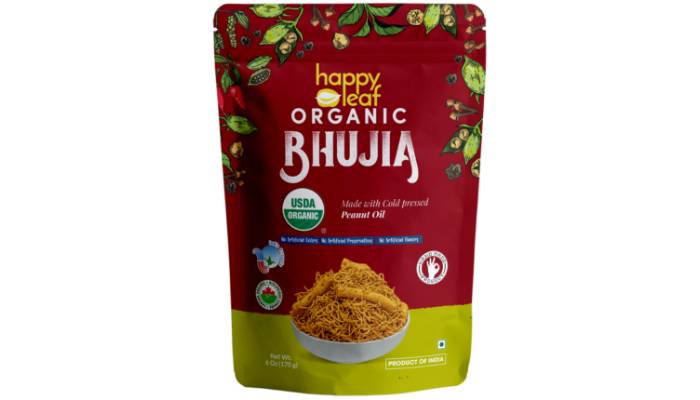
Storing organic Indian snacks correctly is key to keeping them fresh and flavorful. First, know the difference between dry and moist snacks; for example, dry treats like chakli can last weeks, while moist laddus are best enjoyed within ten days at room temperature. Find a cool, dark spot for storage, ideal temperatures are between 50°F to 70°F. Airtight containers work wonders in this process by preventing moisture and keeping snacks crisp. It’s also smart not to mix different types of snacks together; separation helps maintain quality. Finally, pay attention to hygiene and periodically check the items for signs of spoilage so you can enjoy them at their best!
1. Ideal Storage Conditions for Freshness
To keep your organic Indian snacks fresh, it’s crucial to create the right storage conditions. Aim for a cool, dark environment, ideally between 50°F to 70°F (10°C to 21°C). This temperature range helps maintain the snacks’ flavors and quality. Humidity levels should be kept low, ideally below 60%, to prevent mold growth. A pantry or cupboard away from heat sources, like the stove or oven, is usually the best choice. Heat can alter the flavors and textures of your snacks, making them less enjoyable.
Consider using a hygrometer to monitor humidity levels in your storage areas. If you have perishable snacks, storing them in the fridge can be beneficial, but ensure they are well-sealed to avoid moisture and odor transfer. Using clear containers allows you to see what snacks you have, helping you keep track of freshness. Regularly rotating your snacks is also important; this way, you can consume older items first and prevent them from being forgotten.
To further combat moisture, consider placing desiccants in your storage containers. Also, avoid overcrowding the containers, as allowing for airflow can help maintain crispness. Lastly, keeping snacks a few inches away from walls can prevent condensation, which can negatively affect their quality.
- Humidity levels should be low, ideally below 60%, to prevent mold growth.
- A pantry or cupboard away from heat sources is usually the best storage place.
- Consider using a hygrometer to monitor humidity levels in storage areas.
- Storing snacks in the fridge can be beneficial for perishable items, but ensure they are well-sealed.
- Avoid storing near the stove or oven, as heat can alter flavors and textures.
- Rotate snacks regularly to prevent older items from being forgotten.
- Using desiccants in storage containers can help absorb excess moisture.
- Clear containers let you see what snacks are inside, which can help in maintaining freshness.
- Avoid overcrowding in storage containers to allow for airflow.
- Keep snacks stored at least a few inches away from walls to prevent condensation.
 2. Choosing the Right Airtight Containers
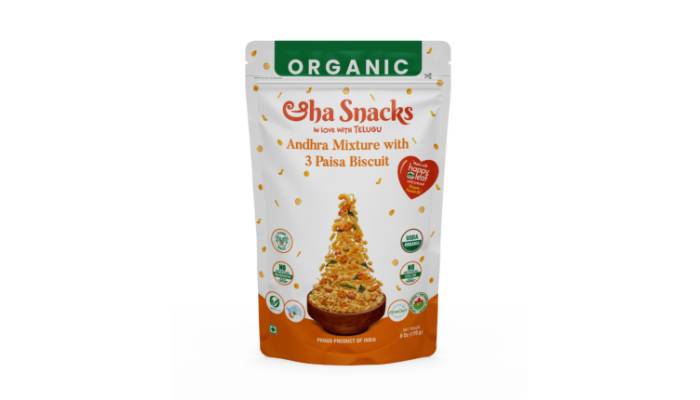 2. Choosing the Right Airtight Containers
Selecting the right airtight containers is crucial for keeping your organic Indian snacks fresh. Glass containers are an excellent choice because they are non-reactive and do not impart flavors to your snacks, allowing their natural taste to shine through. For added protection against air leakage, consider containers with silicone seals, which create an extra airtight barrier. It’s also practical to choose containers with wide openings, making it easy to access the snacks and clean the containers after use. If you have a larger quantity of snacks, using smaller containers can help maintain freshness by limiting exposure each time one is opened.
Avoid metal containers, especially for snacks sensitive to light and air, as they can lead to quicker spoilage. Stackable containers can save space in your pantry or cabinet while keeping your snacks organized. Look for containers that are dishwasher safe for easy maintenance, and ensure they are made from BPA-free materials to prioritize health safety. Regularly check the seals on your containers to confirm they remain airtight; this simple step can make a significant difference in the longevity of your snacks. Lastly, labeling containers with the type of snack and storage date will help you keep track of freshness and make it easier to find what you want.
3. Essential Hygiene Practices for Snack Storage
Keeping your snacks fresh starts with good hygiene practices. Always store snacks in a clean area, free from food particles and spills, to minimize the risk of contamination. Make it a habit to use separate utensils for serving snacks, as this prevents germs from spreading. It’s crucial to avoid touching the inside of storage containers with unwashed hands, which can introduce bacteria.
Regularly inspect your storage area for pests, as bugs can quickly spoil your snacks. Cleaning containers with warm soapy water before filling them with new snacks is essential. If you plan to handle snacks for an extended period, consider using gloves to keep them safe and extend their shelf life. For less frequently accessed snacks, store them at the back to reduce handling and exposure.
Ensure that any fruits or vegetables used in your snacks are washed and dried thoroughly before storage. Avoid eating snacks directly from the container, as this can lead to contamination. Lastly, keeping your storage area dry and well-ventilated helps prevent mold growth, ensuring your snacks remain as fresh as possible.
4. Innovative Packaging Solutions for Snacks
Innovative packaging solutions are key to keeping organic Indian snacks fresh and appealing. Biodegradable packaging is gaining traction, catering to the environmentally conscious consumer while also maintaining snack quality. For a touch of elegance, glass jars with lids not only provide airtight storage but also enhance presentation, making them perfect for gifting or display. Individual snack packs are another effective option, as they help maintain freshness and prevent overconsumption by providing just the right amount of snacks per serving.
Resealable pouches are particularly useful for preserving freshness after opening, allowing snack lovers to enjoy their favorite treats over time without sacrificing quality. It’s also wise to look for packaging designed with UV protection, which shields snacks from light degradation, keeping flavors intact. Adding moisture barriers can further enhance protection, especially for crispy snacks that need to stay crunchier for longer.
Customizable packaging can elevate branding while ensuring freshness, allowing brands to showcase their natural ingredients effectively. Innovative designs that simplify opening and resealing can significantly improve user experience. Including QR codes on packaging can also be beneficial, enabling consumers to access storage tips or learn more about the snacks they enjoy.
5. Natural Preservation Methods for Snacks
Incorporating natural preservatives can significantly enhance the shelf life of your organic Indian snacks. For instance, adding salt, sugar, or vinegar during the preparation process not only adds flavor but also helps to inhibit microbial growth. When it comes to fruit-based snacks, using lemon juice is an effective way to prevent browning and maintain freshness. Additionally, spices like cinnamon and cloves have antimicrobial properties, making them excellent choices for storing snacks. Fermenting snacks can also be beneficial, as it not only extends their shelf life but also infuses them with unique flavors.
Drying fruits and vegetables is another great method to ensure longevity; this technique not only preserves but also intensifies their flavors. When preparing savory snacks, consider using natural oils like olive oil, which can help preserve freshness. It’s essential to follow proper dehydration methods to avoid moisture retention, which can lead to spoilage.
Honey is a fantastic natural preservative for certain sweet snacks, offering both sweetness and longevity. Infusing your snacks with aromatic herbs not only enhances their taste but can also serve as a natural preservative. Lastly, regularly rotating your snacks and consuming older ones first is a simple yet effective practice to prevent spoilage.
6. Storage Tips for Popular Indian Snacks
When it comes to storing popular Indian snacks, specific methods can help maintain their taste and texture. For dhokla, it’s best to consume it within a couple of days; store it in the fridge to keep it fresh. Samosas should be placed in an airtight container at room temperature to retain their crispiness. Bhel puri is tricky; make it fresh whenever possible, and if you must store it, keep the components separate until you’re ready to serve. For bhaji, refrigerate and try to eat it within a few days to preserve its quality.
Khakra should be stored in a cool place, as moisture can make them soggy. Jaggery-based snacks like chikki need to be kept airtight to avoid becoming sticky. When it comes to pickles, ensure they are submerged in oil to maintain their freshness for longer. Dry snacks like chakli thrive in a cool, dry place away from moisture. Lastly, sweets made with khoya or paneer should be refrigerated and consumed quickly to retain their texture. Always check the specific storage recommendations for each snack to get the best results.
7. General Best Practices for Snack Storage
Keeping your organic Indian snacks fresh requires some simple yet effective best practices. First, it’s wise to keep snacks in their original packaging until you’re ready to enjoy them. This helps lock in freshness. Additionally, store snacks away from strong-smelling foods, as they can absorb those odors and alter their flavor. Regularly cleaning and organizing your storage area is crucial, as it helps maintain an optimal environment for your snacks.
Using clear containers can also be beneficial, as they provide easy visibility and access. Implementing a consistent rotation system ensures older snacks are consumed first, thus reducing waste. If you seal snacks in containers, make sure they are at room temperature to avoid condensation, which can lead to spoilage. Avoid using old or damaged containers that may compromise the quality of your snacks.
Keeping track of when snacks were purchased and opened can help you manage their freshness better. It’s also important to educate family members about proper snack handling and storage. Encouraging good snacking habits enhances the overall experience, making it enjoyable for everyone.
Frequently Asked Questions
What is the best way to keep my organic Indian snacks fresh?
To keep your organic Indian snacks fresh, store them in an airtight container in a cool, dry place. This helps prevent them from getting stale or absorbing moisture.
How do I know if my snacks have gone bad?
You can tell if your snacks have gone bad by checking for changes in smell, taste, or texture. If they smell off or taste different than usual, it’s best to throw them away.
Should I refrigerate organic Indian snacks?
Refrigerating organic Indian snacks is not always necessary, but it can help extend their freshness. Make sure to use a sealed container to avoid moisture.
Can I freeze my snacks for longer storage?
Yes, you can freeze your organic Indian snacks to preserve them for a longer time. Use a freezer-safe container or bag, but keep in mind that freezing may alter their texture.
How long do organic Indian snacks typically last?
Organic Indian snacks can last anywhere from a few weeks to several months, depending on the type and how you store them. Always check the packaging for specific best-by dates.
TL;DR To keep organic Indian snacks fresh, store them in a cool, dark place with controlled temperatures (50°F to 70°F). Use airtight containers, preferably glass or high-quality plastic, and avoid mixing different snacks to prevent spoilage. Maintain hygiene by washing hands and cleaning storage areas regularly. Consider innovative packaging like vacuum-sealed bags and moisture-absorbing packets. Use natural preservatives like spices, and follow specific storage tips for different snacks. Employ the FIFO method to consume older snacks first and keep them away from strong odors.