

Preparing for your first egg donor appointment in San Diego can feel overwhelming, but being informed makes it easier and more exciting. Start by understanding the egg donation process, which typically spans 6-8 weeks and involves medical screenings, ovarian stimulation, and retrieval. Your initial consultation will cover your medical history and lifestyle factors; don’t hesitate to ask questions about medication effects or compensation. Expect thorough medical tests and psychological evaluations to ensure you are emotionally prepared. Also think about legal aspects regarding contracts. Lastly, plan travel logistics if needed, having a solid support system will make this journey smoother!
1. Understand the Egg Donation Process
San Diego egg donor programs process is an exciting journey that begins with matching potential recipients with donors. This initial phase allows recipients to review profiles, making it a crucial step in the process. Once matched, donors undergo a thorough medical evaluation to ensure they are healthy and suitable for donation. Following this, ovarian stimulation takes place, where medications help mature multiple eggs. This phase typically involves daily hormone injections for about 2-3 weeks and requires regular monitoring appointments to track how the body responds to the medications. During these visits, doctors can adjust dosages if necessary to optimize egg development.
When the time comes for egg retrieval, it is a minor surgical procedure performed under sedation, usually lasting around 20-30 minutes. While the procedure is relatively quick, donors may experience some side effects like bloating or mood swings due to hormonal changes during the process. After retrieval, it’s vital to report any unusual symptoms to the clinic promptly.
If you find the experience rewarding and empowering, future donation cycles can be discussed. Understanding each step of the egg donation process helps to alleviate anxiety and prepares you for the journey ahead, knowing you’re contributing to families in need.
 2. Initial Consultation Details
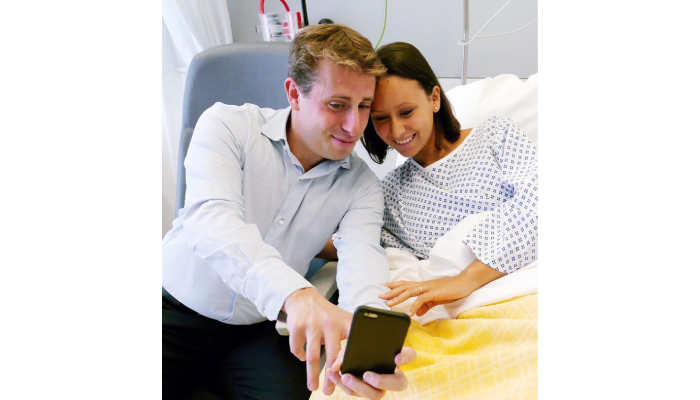 2. Initial Consultation Details
Your first egg donor appointment is an exciting step in your journey, and being prepared can make a huge difference. Arrive at the clinic with any relevant medical records or documentation about your health history, as this information will help the fertility specialist understand your background. During the consultation, expect to have open discussions about your motivations for donating, as well as any concerns you might have. This is your chance to ask questions and get clarity.
You will likely meet with a fertility specialist who will explain the egg donation process in detail, ensuring you understand each step. Topics will include potential risks and benefits associated with donation, so it’s essential to be ready to engage in these important conversations. Your lifestyle habits, like your diet and exercise routine, will also be reviewed to ensure you are in good health for the donation process.
The clinic will outline how long the donation cycle will take and what level of commitment is required from you. Typically, this cycle lasts about 6-8 weeks, and being informed can help you plan accordingly. You may also receive educational materials to take home, providing further insights into the process and what to expect moving forward.
This appointment is not just about medical evaluations; it’s also a chance for you to build rapport with the medical team. Feeling comfortable with your doctors and nurses is crucial as you embark on this journey. Privacy and confidentiality regarding your information and the donation will be addressed, ensuring you feel secure in your decision. By the end of the consultation, you should walk away with a clearer understanding of the journey ahead and any next steps required.
- Arrive prepared with any relevant medical records or documentation about your health history.
- The consultation may include discussions about your motivations for donating and any concerns you may have.
- You will likely meet with a fertility specialist who will explain the process in detail and answer your questions.
- Expect to discuss the potential risks and benefits associated with egg donation.
- Your lifestyle habits, including diet, exercise, and substance use, will be reviewed to ensure a healthy donation process.
- The clinic may also discuss how long the donation cycle will take and what kind of commitment is required.
- You may receive educational materials to take home that outline the process and what to expect.
- This appointment is also a chance to build rapport with the medical team, making you feel more comfortable moving forward.
- Clarifications on privacy and confidentiality regarding your information and the donation will be addressed.
- You will leave with a clearer understanding of the journey ahead and any next steps required.
3. Essential Questions to Ask
When preparing for your first appointment, it’s crucial to have a list of questions that will help you understand the egg donation process better. Start by asking about the clinic’s success rates with egg donation and what past donors have experienced. This can give you insight into the clinic’s reputation and the likelihood of a successful outcome. Next, inquire about the specific medications you will be prescribed and their potential side effects; knowing what to expect will help you feel more at ease. It’s also important to understand the eligibility criteria and how the clinic assesses donor suitability, as this can affect your journey. Ask how compensation is structured and when you can expect payment, as financial clarity is essential. If you are concerned about egg production, find out what happens if you do not produce enough eggs during the stimulation process. Don’t forget to discuss any potential long-term health effects after donation, as well as what support services are available to you both during and after the process. Clarifying how your anonymity is preserved and the policies regarding future contact will help you feel secure. Lastly, inquire about available resources for emotional support throughout the donation, as this journey can be as much about emotional well-being as it is about the physical aspects. Finally, ask how often you will need to visit the clinic for monitoring and assessments to prepare your schedule accordingly.
4. Medical and Psychological Screening Overview
As you prepare for your first appointment, understanding the medical and psychological screening process can ease your mind. This thorough evaluation typically includes various blood tests to check your hormone levels, screen for infectious diseases, and assess for genetic conditions. Expect to have ultrasounds too, which help evaluate your ovarian health and egg count before medications begin.
On the psychological side, an evaluation will gauge your emotional readiness for the donation journey. You might answer questions about your motivations and feelings regarding egg donation, which helps ensure that you are mentally prepared for what lies ahead. If you encounter emotional challenges during the process, counseling services may be available to support you.
The clinic will provide feedback on your screening results, fostering transparency and building your confidence in the process. If any concerns arise, follow-up appointments will be scheduled to discuss them further. Knowing what to expect during these screenings not only informs you but also helps you feel more at ease as you embark on this significant journey.
5. Fertility Medications Explained
Fertility medications are a crucial part of the egg donation process, designed to stimulate your ovaries to produce multiple eggs instead of just one. Commonly used medications include gonadotropins, which you will administer through daily injections for about 10 to 14 days. It’s important to be prepared for monitoring appointments during this time, as your medical team will adjust your medication dosages based on how your body responds.
While the medications are generally well-tolerated, you might experience mild side effects such as bloating, mood swings, and headaches. Learning how to administer the injections properly and managing your medication schedule will empower you throughout the process. Understanding the purpose of each medication not only demystifies the treatment but also helps you feel more in control.
Follow-up blood tests will be essential to monitor your hormone levels and how your ovaries are responding to the medications. Your clinic will provide you with detailed instructions on what to look out for during your medication cycle, including tips for managing side effects and ensuring your comfort. If you experience any unusual symptoms, effective communication with your medical team is key, so don’t hesitate to reach out for support.
6. Legal Considerations to Keep in Mind
Understanding the legal aspects of egg donation is crucial for making an informed decision. You’ll be entering into a contract that outlines everything from compensation to future contact with the recipient parents. It’s smart to seek independent legal advice before signing any agreements, as this will help clarify your rights and responsibilities, as well as the protections in place for your personal information. Make sure to discuss issues of anonymity, as well as what happens to your eggs and how they might be used in the future. You should also inquire about the rights of the recipient parents and how these may affect your own rights after donation. If you have concerns about potential implications for any future children or your health, address these with your legal advisor. Additionally, find out what options you have regarding future contact with any resulting children. The clinic you choose should provide clear information on any legal matters that could arise during or after the donation process. Having this clarity will boost your confidence and help you feel secure about your decision.
7. Post-Retrieval Care Guidelines
After your egg retrieval, you’ll have a brief monitoring period to ensure you recover well from sedation. It’s completely normal to experience mild cramping and light spotting, but if you encounter any severe pain or excessive bleeding, be sure to contact the clinic immediately. The first 24 hours post-retrieval are crucial for rest, so take it easy and avoid any strenuous activities. Staying hydrated and opting for light meals can help your body adjust after the procedure. Your clinic will provide pain relief options, and it’s important to follow their instructions closely. Gradually resume your normal activities based on how you’re feeling. Keep an eye out for any signs of complications, such as fever or persistent discomfort, and follow up with the clinic as scheduled for any post-retrieval evaluations. It’s also a good idea to share your experience with your healthcare providers, especially if you have lingering concerns. Remember, emotional support might be beneficial as you process this significant experience after donation.
8. Logistics and Support Planning
Planning for your egg donation journey in San Diego is essential for a smooth experience. First, consider your travel arrangements. Book flights well in advance to secure the best rates, and explore local accommodations that fit your budget. You might need to stay for several weeks as your body responds to medications, so look into extended stay options or short-term rentals to make your stay comfortable.
Transportation is another key factor. Research local transport options like rental cars, ride-sharing services, or public transit to ensure you can easily get to and from the clinic for your appointments. Having a reliable way to travel will ease your mind during this busy time.
Don’t underestimate the importance of emotional support. Coordinate with friends or family who can accompany you, providing companionship and encouragement. If you prefer connecting with others in similar situations, look for local support groups or communities of egg donors. Sharing experiences can provide a sense of belonging and reassurance.
Make sure you have access to daily necessities like meals and groceries. Consider meal prep or delivery services to save time and energy, allowing you to focus on your health and well-being. Additionally, discuss your plans with your employer, especially if you will need time off work for appointments and recovery.
Having an organized schedule is vital. Create a timeline that includes all your appointments and recovery time needed, keeping an open line of communication with your support system before, during, and after the donation process. Being well-prepared can significantly reduce stress, making the journey smoother and more enjoyable.