
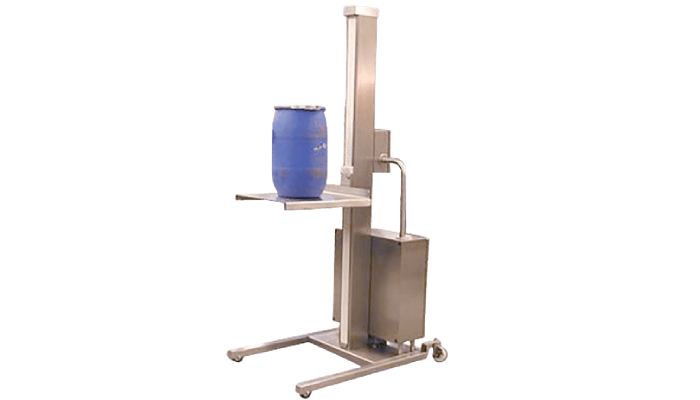
When selecting drum handling equipment, it’s crucial to focus on key factors that impact efficiency and safety. Start by identifying the drum type, size, and weight to ensure compatibility with your equipment. Consider operational needs: will you need to pour or keep drums upright? It’s also essential to evaluate various types of equipment, from forklift attachments for heavy lifting to manual devices for lighter loads. Safety features like ergonomic designs can reduce strain on workers. Additionally, prioritize durability and cost-effectiveness; high-quality materials can save money in the long run while ensuring reliability. Make informed choices for a productive workplace!
1. Understanding Drum Specifications
When it comes to drum handling equipment, understanding drum specifications is the first crucial step. Start by identifying the material of the drum, whether it’s steel, plastic, or fiber. This ensures that the equipment you choose can effectively support the weight and characteristics of the drum. Next, familiarize yourself with the common sizes of drums, like the 30-gallon and 55-gallon options. Knowing the dimensions helps in selecting the right equipment for your needs, especially when it comes to maneuverability and storage.
Also, look for the presence of a top rim on the drums, as this feature is often essential for many handling tools to function properly. Consider what each drum contains, liquids, powders, or granules, as this significantly affects the handling method. For instance, handling a drum filled with liquid requires different equipment than one filled with solid materials.
Moreover, verify the weight capacity of the handling equipment to ensure it can efficiently manage the heaviest drums you will be using. The size of the drum’s opening is another important factor; larger openings may necessitate specialized equipment for pouring. Assess the drum’s design as well; features like handles or spouts can impact how the drum is handled.
Temperature is also a key consideration: some materials may become brittle or deform at high temperatures, affecting both safety and handling efficiency. If your operations involve automation, check for compatibility with systems like conveyors or lifts to streamline processes. Finally, consider the environmental conditions where the equipment will be used. If you need to operate outdoors, ensure the equipment is weather-resistant to withstand various conditions.
- Identify the material of the drum: steel, plastic, or fiber, to ensure compatibility with equipment.
- Common drum sizes include 30-gallon and 55-gallon; know the dimensions you will be handling.
- Check for the presence of a top rim on drums, as it is crucial for many handling equipment.
- Consider what the drum contains: liquids, powders, or granules affect the handling method.
- Verify the weight capacity of the equipment to handle the heaviest drums efficiently.
- Examine the drum’s opening size: larger openings may require specialized equipment for pouring.
- Assess the drum’s design: some drums may have features like handles or spouts that affect handling.
- Consider the temperature of the contents; some materials may become brittle or deform at high temperatures.
- Look for compatibility with automated systems if needed, such as conveyors or lifts.
- Understand the environmental conditions: outdoor use may require weather-resistant equipment.
 2. Assessing Operational Requirements
 2. Assessing Operational Requirements
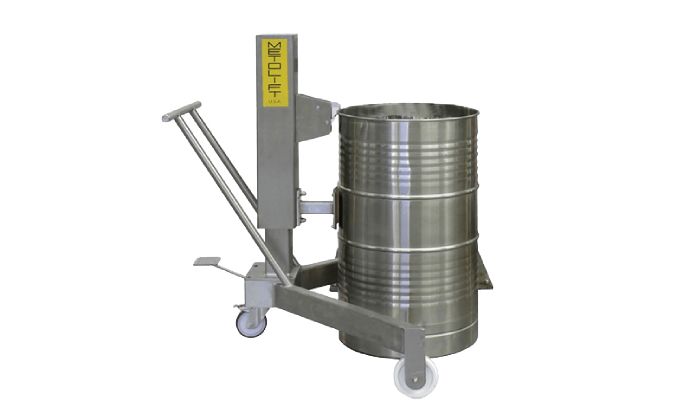
When it comes to drum handling, understanding your operational needs is crucial for selecting the right equipment. First, determine how your drums will be moved: do they need to stay upright, or can they be tilted or rolled? For instance, if your operations involve pouring from the drum, you’ll need equipment that allows for safe lifting and pouring. On the other hand, if drums are merely stored, a simpler solution might suffice.
Next, assess how often you’ll be moving these drums. Frequent handling may call for more advanced and efficient equipment, ensuring your workflow remains smooth and productive. Consider the layout of your workspace as well, equipment must be able to navigate easily between areas. For example, tight spaces may require more compact handlers that can maneuver effectively.
You should also identify any specific tasks that dictate the type of equipment needed. If mixing or pouring is involved, specialized drum handlers will be essential. Moreover, think about whether a mobile unit or a fixed installation better suits your operation. Mobile units can offer flexibility, while fixed installations might be beneficial for consistent workflows.
Additionally, consider your storage strategy. The maximum stack height for storing drums can influence the type of equipment you choose, as some equipment is designed for specific heights. Quick access to drums is another factor to consider; retrieval should be effortless to maintain efficiency.
Finally, plan for future operational changes. As your business evolves, your handling needs may change, so it’s wise to choose equipment that can adapt to those future requirements.
3. Types of Drum Handling Equipment
Choosing the right type of drum handling equipment can make a significant difference in safety and efficiency. First up, forklift attachments are a fantastic choice for lifting, transporting, and pouring drums. These handy tools allow forklifts to securely grip and manipulate drums, making heavy lifting a breeze. If your operations involve lighter loads, then manual drum handlers, like drum trucks and dollies, can provide great versatility without the need for power. They are perfect for short distances and can easily navigate tight spaces.
For those heavier loads, powered drum handlers really shine. With battery or electric options available, they reduce the physical strain on workers and increase productivity. Speaking of specialized needs, if your workplace handles hazardous materials, there are options designed specifically for safety, such as spark-resistant models for flammable contents.
Drum trolleys and dollies are also worth considering, especially for their maneuverability in confined areas. Hydraulic drum lifts provide mechanical assistance that can be invaluable when lifting heavier drums, ensuring that the job gets done safely and efficiently. Additionally, drum cradles allow for easy storage and retrieval while prioritizing safety. If precision pouring is a requirement, automatic drum dispensing systems can minimize spills and make the process smoother.
Safety features are paramount, so look for equipment that includes emergency stops and overload protection. Finally, don’t overlook the possibility of custom solutions tailored to your unique production processes or materials, ensuring that your drum handling needs are met with the highest standards.
4. Key Safety Features to Consider
When it comes to drum handling equipment, safety should be at the forefront of your decision-making process. First and foremost, look for ergonomic designs that can significantly reduce physical strain on operators. This is crucial, especially in environments where workers are frequently lifting and moving heavy drums. Additionally, ensure that the equipment complies with OSHA and other safety standards to minimize the risk of workplace accidents.
Another important feature is anti-slip surfaces, which enhance operator safety during handling, especially in potentially hazardous conditions. Locking mechanisms are also vital, as they secure drums during transport and storage, preventing accidental spills or falls. Visibility features, like reflective surfaces, can improve safety in low-light environments, making it easier for operators to navigate their surroundings.
Safety guards are another key element to check for; they help prevent accidental contact with moving parts, protecting workers from injuries. It’s essential that operators receive proper training on how to use the equipment safely, and that the need for personal protective equipment (PPE) is assessed based on the materials being handled. Emergency shut-off options are crucial for quick responses in case of any potential accidents, providing an extra layer of safety. Finally, user-friendly controls and indicators not only enhance operational safety but also increase efficiency, allowing operators to focus more on their tasks and less on managing complicated equipment.
5. Ensuring Durability and Reliability
When it comes to drum handling equipment, durability and reliability are non-negotiable. First, selecting equipment made from high-quality materials is crucial, as items constructed from robust steel or aluminum can endure the rigors of daily use and harsh environments. It’s also wise to investigate the manufacturer’s reputation for producing long-lasting equipment; a trusted name often indicates a commitment to quality.
Maintenance is another key factor: equipment designed for easy servicing can significantly extend its lifespan. Look for warranties or guarantees that cover defects and performance issues, offering peace of mind and protecting your investment. Additionally, consider the availability of replacement parts and service support, as a manufacturer that provides strong after-sales support can save you time and money down the line.
The design of the equipment plays a vital role as well, robust designs are frequently more durable and reliable. For those operating in damp or hazardous environments, corrosion-resistant finishes are essential to prevent premature wear. It’s also important to evaluate how the equipment performs under extreme conditions, like temperature fluctuations, which can impact its longevity.
Lastly, don’t overlook customer reviews and case studies, as they provide valuable insights into how the equipment holds up in real-world applications. Planning for regular inspections and maintenance schedules will keep your equipment running at its best, ensuring that you get the most out of your drum handling solutions.
6. Analyzing Cost-Effectiveness
When it comes to drum handling equipment, analyzing cost-effectiveness is crucial for making smart investments. Start by evaluating the total cost of ownership, which includes not just the initial purchase price, but also ongoing maintenance and repair costs. While some equipment may seem pricey upfront, consider the potential boost in productivity it offers. Efficient equipment can lead to faster operations, ultimately justifying that higher cost.
Lifespan plays a significant role in long-term costs. Investing in durable, high-quality equipment can save you money over time by reducing the need for frequent replacements. Look for customizable options that can be tailored to your specific operational needs without breaking the bank. If upfront capital is a concern, explore leasing options that allow you to use modern equipment while managing cash flow.
Financing options might be available to help you afford top-notch equipment, spreading the cost over time. Don’t forget to investigate any tax benefits or incentives for investing in equipment that enhances safety and efficiency. When the time comes to upgrade or replace, consider the resale value of your equipment, as this can offset some of your initial investment.
Lastly, think about how equipment efficiency impacts labor costs. More efficient machines can reduce the number of staff needed, further driving down expenses. Be cautious of cheaper equipment; while it may save you money upfront, it could lead to higher long-term costs due to repairs or replacements. Making informed decisions now can lead to substantial savings and improved operations down the line.