
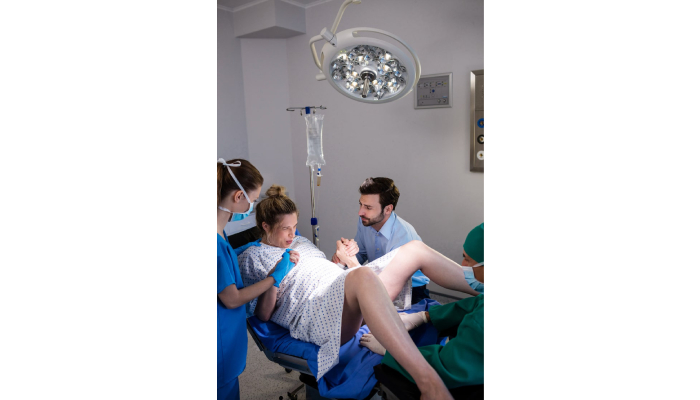
Visiting a fertility center for the first time can feel overwhelming but also exciting. During your initial consultation, which usually lasts about an hour, you will meet with a fertility specialist who reviews your medical history and lifestyle factors that may impact your fertility. Expect a comprehensive medical evaluation that includes blood tests to assess hormone levels, an ultrasound for ovarian reserve checkups, and possibly a semen analysis for male partners. After these evaluations, your doctor will discuss treatment options ranging from lifestyle changes to assisted reproductive technologies like IUI or IVF. You’ll also receive financial guidance on costs and available support resources to help navigate this emotional journey. Remember to bring relevant medical records and questions – both partners should attend if possible! Following up after tests is essential to ensure you’re on the right path moving forward.
1. Initial Consultation Overview
Your first visit to a San Diego fertility center is often an exciting yet nerve-wracking step on your journey to parenthood. During the initial consultation, you’ll meet with a fertility specialist who will be your guide through the entire process. Expect to discuss your medical history in detail, including any previous pregnancies, menstrual cycles, and relevant medical conditions like PCOS or endometriosis. This information is crucial in tailoring the best treatment plan for you.
You’ll also dive into lifestyle factors that can impact fertility, such as your diet, exercise routines, and stress levels. The specialist will want to understand not just your history, but also any concerns or questions you might have about the journey ahead. If you have a partner, their medical history will also be important to consider, so encourage them to join the appointment.
As part of this first step, it’s a good idea to take notes during your visit. This will help you remember key points, recommendations, and the specialist’s qualifications and experience. You’ll leave the appointment with a clear understanding of the fertility center’s approach and philosophy, as well as the next steps to take. Don’t hesitate to ask questions, as this is an opportunity to gather the information you need to feel empowered and informed as you start this important chapter.
- Meet with a fertility specialist who will guide you through the process.
- Discuss your medical history, including previous pregnancies and menstrual cycles.
- Review lifestyle factors such as diet, exercise, and stress levels that impact fertility.
- Understand the fertility center’s approach and philosophy regarding treatment.
- Gather important information about your partner’s medical history, if applicable.
- Discuss any previous fertility treatments or evaluations you may have undergone.
- Identify any specific concerns or questions you have before beginning the process.
- Learn about the fertility specialist’s qualifications and experience in the field.
- Receive information about the next steps following the initial consultation.
- Take notes during the appointment to remember key points and recommendations.
 2. Comprehensive Medical Evaluation
 2. Comprehensive Medical Evaluation
During your first visit to a San Diego fertility center, you can look forward to a comprehensive medical evaluation that dives deep into your reproductive health. This process usually starts with detailed blood tests to check crucial hormone levels like AMH, FSH, and LH, which play vital roles in fertility. You might also undergo an ultrasound, allowing the doctor to visualize your ovarian reserve and assess the health of your uterus.
For male partners, a semen analysis is typically part of the evaluation, measuring sperm quality and count to ensure everything is in top shape. A physical exam may be conducted, which often includes a pelvic exam to examine the reproductive organs more closely. Additionally, expect to answer questions about your family medical history, as this helps identify any genetic factors that could influence fertility.
Your doctor will also review any existing health issues you might have, such as diabetes or thyroid conditions, which can affect fertility. It’s important to discuss any medications you are currently taking, as some can impact your fertility. Be prepared for possible imaging tests like an HSG, which checks the fallopian tubes to ensure they are clear. Throughout this evaluation, your fertility specialist will guide you, explaining the purpose of each test and what you can expect, helping you feel informed and empowered about your journey.
3. Discussion of Treatment Options
After your evaluation, the doctor will dive into a range of personalized treatment options tailored to your unique situation. Expect to hear about lifestyle changes that could enhance your fertility, such as dietary adjustments and stress management techniques. Medications might be recommended to stimulate ovulation or balance hormones, helping to set the stage for conception.
You will also learn about assisted reproductive technologies, such as Intrauterine Insemination (IUI) and In Vitro Fertilization (IVF). The doctor will explain these procedures in detail, discussing their respective pros and cons, as well as the success rates associated with each option. It’s important to understand the potential side effects of any medications or treatments suggested, so you can make informed choices.
Additionally, the discussion may include alternative therapies like acupuncture that could complement your treatment plan. Be sure to ask about the expected timeline for each option and what you can anticipate during the process. The doctor will encourage you to ask questions, ensuring you feel comfortable and confident in the decisions you make moving forward.
4. Financial Guidance for Treatments
Understanding the financial aspects of fertility treatments is essential for planning your journey. At your first visit, you can expect a clear breakdown of the costs associated with various treatments. It’s important to discuss what your insurance covers, as some plans may include certain procedures while excluding others. If your insurance doesn’t cover everything, your fertility center will provide information on payment plans and financing options to ease the financial burden.
You should also inquire about the costs of medications and any additional tests or procedures that may be necessary. Some centers offer package deals for multiple treatment cycles, which can be a great way to save money. Don’t hesitate to ask about any hidden fees that might arise during your treatment process, as transparency is crucial.
A financial coordinator will assist you in understanding your out-of-pocket expenses. They can also provide details on grants or financial assistance programs that may be available to help with your treatment costs. Additionally, be sure to clarify the financial policies related to cancellations or no-shows for appointments, as this can impact your overall budget. Lastly, feel free to ask about financial resources that can help you better plan and budget for your treatment.
5. Emotional Support and Resources
Navigating fertility challenges can be an emotional rollercoaster, and it’s essential to know that support is readily available. Many San Diego fertility centers provide access to counselors or therapists who specialize in fertility issues. These professionals can help you process the emotional impact of infertility and provide coping strategies tailored to your situation.
In addition to one-on-one counseling, you might find value in joining support groups. These gatherings allow you to connect with others who share similar experiences, fostering a sense of community and understanding. Sharing stories and feelings can be incredibly comforting.
To help manage stress, many centers offer stress-reduction techniques such as mindfulness and yoga. These practices can not only aid in relaxation but also improve your overall well-being during treatment. Furthermore, you can inquire about workshops or seminars that educate patients on various fertility topics, empowering you with knowledge.
If you prefer personalized support, consider asking about one-on-one counseling sessions that address your specific concerns. You may also discover online forums and communities where you can find additional encouragement and share your journey with others.
Relaxation techniques like meditation can play a significant role in your emotional health during this time. Many centers also recognize the importance of nutrition in overall wellness, so don’t hesitate to ask about nutritional counseling as part of your support resources. Remember, prioritizing self-care and maintaining your mental health is crucial as you navigate this journey.
6. Preparation Tips for Your Visit
Preparing for your first visit to a fertility center can help make the experience smoother and more productive. Start by gathering any relevant medical records, including previous test results and treatments you have undergone. This information is vital for your specialist to understand your history and current situation. It’s also a good idea to prepare a list of questions you want to ask during your appointment, ensuring you cover all your concerns and curiosities.
If you have a partner, it’s beneficial for both of you to attend the consultation. This allows for a more comprehensive discussion and ensures that all relevant information is shared. Before your visit, complete any required online registration or paperwork to help streamline your appointment.
To get the most accurate assessments, avoid alcohol, smoking, or recreational drugs before your appointment. Dressing comfortably is also important, as you may undergo physical examinations. Additionally, be ready to discuss your lifestyle, including your diet and exercise habits, as these factors can impact fertility.
Consider keeping a journal of your fertility journey. Documenting your experiences and feelings can provide your specialist with valuable insights. Finally, set realistic expectations for the appointment; remember, this is just the first step in your fertility journey. Arriving early is also wise, allowing time for any unexpected delays or last-minute paperwork.
7. Follow-Up Appointment Details
After your initial visit, scheduling a follow-up appointment is essential to discuss test results and the next steps in your fertility journey. During this appointment, you can expect to review any additional tests or evaluations that may be necessary, as the follow-up is crucial for refining your treatment plan based on the results. It is also a great time to discuss timelines for starting treatment and what to expect during the process ahead.
If you have any uncertainties lingering from your first appointment, don’t hesitate to bring them up. This is your opportunity to clarify questions about monitoring procedures during treatment cycles, so you feel prepared and informed. Regular follow-up visits are vital during your treatment journey, as they help ensure everything is progressing as planned.
Your specialist may also provide updates on new research or advancements in fertility treatments, which can be both enlightening and reassuring. Remember, the emotional aspect of these follow-up visits is significant too. Be ready to navigate these feelings, and consider bringing a support person if that helps you feel more comfortable.
Stay engaged and proactive in your treatment process by asking questions and seeking clarification whenever needed. Your involvement is key to making the best decisions for your path to parenthood.