
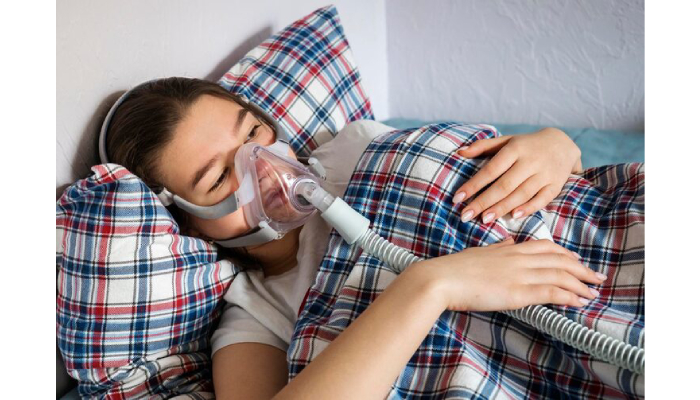
Sleep apnea is a significant sleep disorder that disrupts breathing during the night, leading to various health issues like heart disease and fatigue. An at-home sleep apnea test is a convenient way to diagnose this condition, primarily focusing on obstructive sleep apnea. This simple process involves consulting with your healthcare provider before using equipment such as sensors and oximeters at home. Over one to three nights, you’ll gather valuable data about your breathing patterns, snoring, and oxygen levels. While these tests offer benefits like lower costs and comfort of home sleeping, they do have limitations in diagnosing mild cases accurately.
1. Overview of Sleep Apnea
At home Sleep apnea test is a serious sleep disorder that causes repeated interruptions in breathing during sleep, affecting millions of people around the globe. Many remain undiagnosed, unaware of the potential risks to their health. This condition disrupts the sleep cycle, leading to poor sleep quality and daytime drowsiness. Common symptoms include morning headaches and difficulty concentrating, which can significantly impact daily life. Risk factors such as obesity, age, and family history play a crucial role in its development, with men being diagnosed more frequently than women. However, women are not immune and can experience sleep apnea too. Recognizing the signs is vital, as untreated sleep apnea can lead to severe complications like heart failure or stroke. It can also increase the likelihood of accidents due to daytime drowsiness. Fortunately, lifestyle changes like weight loss and avoiding alcohol can help manage symptoms, making early detection and treatment key to improving one’s quality of life.
 2. What is an At-Home Sleep Apnea Test?
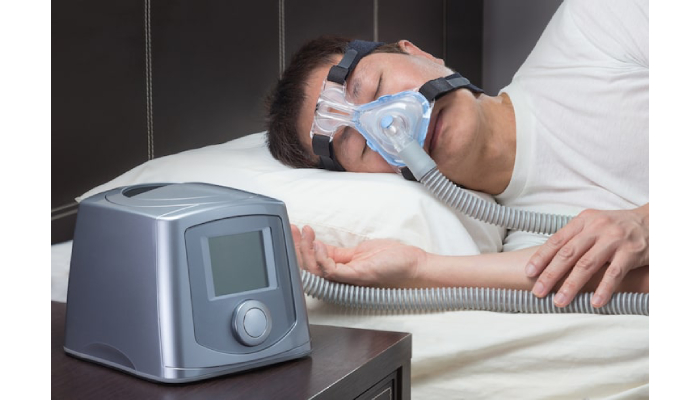 2. What is an At-Home Sleep Apnea Test?
An at-home sleep apnea test (HSAT) is a convenient and comfortable way to evaluate sleep apnea, especially obstructive sleep apnea, in the privacy of your own home. Unlike traditional sleep studies that require you to spend the night in a clinic, these tests allow you to rest in your familiar environment, which can lead to more natural sleep patterns and results. The test usually involves portable equipment that is easy to set up, making it user-friendly for patients.
During the test, several key measurements are taken, including your breathing patterns, airflow, blood oxygen levels, heart rate, and even snoring sounds. This data is crucial for determining the severity of sleep apnea. After completing the test, which typically lasts one to three nights, you simply return the equipment, and the results are usually available within a few days. This speedy turnaround time is a significant advantage for those eager to understand their sleep health.
While HSATs are effective for diagnosing obstructive sleep apnea, they primarily focus on this condition and might not capture other sleep disorders. Therefore, if the results suggest a more complex issue, further testing in a sleep lab may be necessary. It’s important to follow the instructions provided closely to ensure the most accurate results.
3. How At-Home Sleep Tests Work?
At-home sleep tests begin with a consultation where your healthcare provider reviews your medical history and assesses your symptoms. This crucial step ensures you are a suitable candidate for the test. Once approved, you will receive a kit that includes various devices like a pulse oximeter to measure blood oxygen levels, respiratory effort sensors to monitor your breathing, and a nasal cannula for airflow measurement.
You will receive clear instructions on how to set up and use the equipment effectively, which is essential for accurate results. The test typically takes place over one to two nights, allowing you to sleep in the comfort of your own bed. Some devices even have wireless capabilities, enabling faster data transmission and quicker analysis by a sleep specialist.
During the test, you may also be encouraged to keep a sleep diary, noting your sleep patterns and any disturbances you experience. This information can be invaluable in helping healthcare providers understand your condition better. After the test, you will return the equipment for analysis. Follow-up consultations are key to interpreting your results and discussing any necessary next steps. Overall, the simplicity of at-home tests encourages more individuals to seek help for their sleep issues, making it an accessible option for many.
4. Benefits of At-Home Sleep Tests
At-home sleep tests offer a range of benefits that make them an appealing option for many patients. One of the standout advantages is the elimination of stress and discomfort associated with sleeping in a clinic environment. Instead, patients can rest in their own beds, adhering to their usual routines and habits. This familiar setting often leads to more accurate and reliable results, as individuals tend to sleep better when they feel relaxed and at ease.
Cost is another significant factor, as home tests are typically more affordable than traditional in-lab studies. With prices usually ranging from $150 to $600, compared to $1,000 to $7,000 for in-lab tests, many patients find that at-home options fit better within their budgets. Moreover, the convenience of being able to conduct the test at home means reduced scheduling conflicts, allowing patients to choose the timing that works best for their lives.
The simplicity of at-home tests encourages more individuals to seek a diagnosis for sleep apnea, which is crucial for timely treatment. After the results are analyzed, patients often receive prescriptions for CPAP machines or other devices directly based on these findings, leading to quicker treatment plans and improved health outcomes. Additionally, the rise of at-home testing helps alleviate the pressure on healthcare systems by reducing the backlog of patients waiting for sleep studies. In this way, home tests serve as a vital first step in a comprehensive approach to improving sleep health.
- They eliminate the stress and discomfort of sleeping in a clinic environment.
- Patients can maintain their regular sleep habits and routines.
- Home tests are typically more affordable and accessible than in-lab tests.
- They can be performed at the patient’s convenience, reducing scheduling conflicts.
- The simplicity of the test encourages more patients to seek diagnosis.
- Results can lead to quicker treatment plans, improving patient outcomes.
- Patients can often receive prescriptions for CPAP or other devices from home test results.
- They reduce the number of patients waiting for sleep studies, easing healthcare system burdens.
- Home tests can be a first step in a comprehensive approach to sleep health.
- Patients often feel more relaxed and less anxious at home, leading to better sleep quality during testing.
5. Limitations of At-Home Sleep Tests
While at-home sleep tests offer convenience, they come with notable limitations that can impact their effectiveness. Firstly, these tests are not suitable for everyone, especially those with complex sleep disorders or conditions like obesity and chronic respiratory issues, which might require more detailed in-lab testing. The accuracy of home tests can vary significantly based on how well patients follow instructions and set up the equipment. For instance, if sensors are improperly placed or dislodged during the night, the data collected may be inconclusive or misleading.
Moreover, while home tests primarily focus on measuring breathing patterns and oxygen levels, they do not capture vital information about sleep architecture and stages, such as brain activity or eye movements. This means that more subtle sleep disorders, like insomnia or restless legs syndrome, may go undetected. Patients may also misinterpret their symptoms, leading them to believe they are eligible for a home test when they may actually need a comprehensive lab study. It’s crucial for individuals to understand these limitations when interpreting their results, as follow-up in-lab studies may be necessary to confirm a diagnosis.
6. Who is a Candidate for an At-Home Test?
Candidates for an at-home sleep apnea test typically include adults who are suspected of having obstructive sleep apnea. These individuals often snore loudly and may have reported experiencing breathing pauses during their sleep, which are key indicators of the condition. Excessive daytime sleepiness is another common symptom that can qualify someone for testing. Furthermore, people with a history of high blood pressure or cardiovascular problems are often considered eligible for home tests, as these factors can increase the risk of sleep apnea.
Generally, patients without significant comorbidities, or other serious health conditions, are better suited for home testing. It is crucial for individuals to consult with a healthcare provider to determine their eligibility based on their specific symptoms and medical history. Additionally, candidates should have access to a reliable internet connection for data transmission in some cases, ensuring that results can be easily shared with their healthcare team.
Those who prefer the comfort of their own home over a sleep lab environment are ideal candidates for this type of testing. Interestingly, individuals who have previously failed an in-lab study may also be considered for home testing, as this can provide a more familiar setting for them. Lastly, a family history of sleep apnea can further indicate potential candidates, as genetics can play a significant role in the likelihood of developing this sleep disorder.
7. Insurance and Cost Considerations
Costs for at-home sleep apnea tests can vary widely depending on the provider and location, typically ranging from $150 to $600. Some insurance plans cover these tests, but it’s crucial to confirm your coverage before scheduling. Often, a doctor’s note or referral may be necessary for insurance to cover the test. Additionally, coverage can differ based on the diagnosis and severity of symptoms, so patients should inquire about any copays or deductibles related to the test. For those concerned about costs, many providers offer financing options to make testing more affordable, and some organizations provide assistance programs for uninsured patients. It’s also worth noting that follow-up consultations may be covered by insurance, helping to ease the financial burden. Understanding these financial aspects is essential for patients to make informed decisions about their testing options.