

Traveling is often thought of as a chance to escape routine, unwind, and explore new places with comfort and style. Many travelers invest in luxury accommodations, fine dining, and curated experiences, expecting a smooth journey from start to finish. Even with careful planning, unforeseen events can derail the most meticulously designed trips. Among these events, personal injuries rank high in their potential to turn an otherwise memorable vacation into a stressful ordeal.
Understanding how injuries can affect travel and the steps to take if accidents occur can make a significant difference in managing both the immediate disruption and long-term consequences.
Unexpected Injuries and Legal Assistance During Travel
Travel accidents can occur anywhere – from crowded city streets to remote hiking trails. While some injuries are minor, others require immediate medical attention and may involve complex legal situations, especially if another party is at fault. Seeking guidance from these personal injury lawyers can provide clarity on what rights travelers have and the compensation they may be entitled to. Many vacationers are unaware that a slip on a hotel balcony, a fall during a guided tour, or an accident in a rented vehicle could create legal claims.
Professional legal assistance helps identify liable parties, gather necessary documentation, and navigate insurance policies, which can make the recovery process more manageable.
Travel Insurance Limitations and Medical Emergencies
Even the most comprehensive travel insurance policies often have gaps when it comes to covering injuries. Some plans may exclude pre-existing conditions, adventure sports, or incidents involving third-party negligence. Travelers might find themselves facing medical bills in foreign currencies or struggling with local healthcare systems that operate differently from what they are accustomed to. Awareness of these limitations before departure can mitigate surprises.
Carrying supplemental insurance or verifying coverage details ensures that an injury does not translate into an overwhelming financial burden. It is also wise to keep records of any medical services received while traveling, as these documents are frequently required for claims.
Common Types of Injuries That Disrupt Luxury Travel
Travelers frequently underestimate the risk of injuries occurring in various settings. Some of the most common scenarios include:
- Slips and falls in hotel lobbies, pools, or on uneven sidewalks
- Transportation-related accidents, such as car crashes, boat mishaps, or tram collisions
- Sports injuries from skiing, diving, or other recreational activities
- Foodborne illnesses that result in severe dehydration or hospital visits
- Environmental hazards like insect bites, allergic reactions, or exposure to extreme weather
These incidents can abruptly halt vacation plans, requiring changes to itineraries, extended stays, or early returns. Recognizing potential risks and taking preventive measures, such as wearing appropriate footwear or using safety equipment, can reduce exposure to certain hazards. Yet, some accidents remain unpredictable, highlighting the importance of preparedness and awareness.
How Injuries Affect Travel Itineraries
Injuries can disrupt daily plans in ways travelers may not initially anticipate. Physical limitations may make certain activities impossible, from sightseeing tours to dining experiences that require walking or standing. Transportation arrangements may need to be altered, especially if mobility aids are required or if medical care is needed en route.
In some cases, accommodations that were booked for luxury or convenience may no longer meet medical needs, necessitating last-minute changes to more suitable lodgings. The financial impact of these adjustments can be significant, creating stress that overshadows the original intent of a relaxing or indulgent vacation.
For families or groups, the effects of one person’s injury ripple across everyone’s plans, complicating logistics and expectations.
Recovery and Adaptation While Traveling
https://unsplash.com/photos/person-holding-black-knit-cap-EQ-53WaTNC4
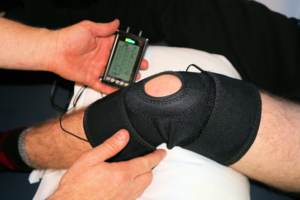
While the immediate focus following an injury is treatment, recovery, and adaptation during travel presents its own challenges. Travelers may need to balance rest with continued participation in planned activities, which often requires careful scheduling and assistance from companions or local staff. Managing pain, accessing prescription medications, and attending follow-up appointments in unfamiliar locations can feel overwhelming. Travelers can improve their comfort and safety by:
- Researching local medical facilities and pharmacies
- Carrying essential medications and mobility aids
- Communicating needs clearly to tour operators and hotel staff
- Avoiding strenuous activities until cleared by a healthcare provider
Adjusting plans without sacrificing all aspects of the trip can make a difference in maintaining some sense of enjoyment despite the disruption.
Preventive Measures and Proactive Planning
While accidents cannot always be avoided, travelers can reduce risk through foresight and preparation. Choosing accommodations and activities with safety standards, reading reviews for potential hazards, and learning basic first aid measures can provide a layer of security. Keeping important documents such as insurance policies, emergency contacts, and medical history accessible ensures a quicker response if an incident occurs. Technology also offers resources, such as apps for emergency services or locating nearby clinics.
Injuries during travel have the potential to disrupt even the most carefully planned luxury trips. From legal considerations and insurance coverage to adjustments in daily itineraries and recovery needs, the consequences of an accident are multifaceted. Recognizing the risks and taking practical steps ahead of time ensures that unexpected injuries do not define a trip, allowing travelers to focus on both safety and enjoyment.