
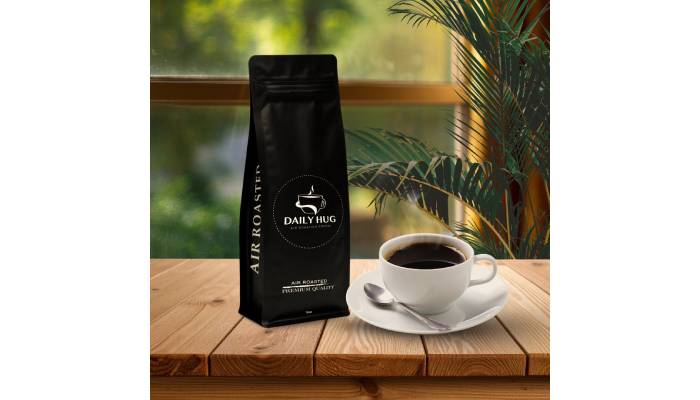
Coffee sampler packs are a fantastic way to explore different flavors without investing in full bags. They come with pre-measured portions or single-use bags, making brewing easy. To get started, gather your equipment: a kettle, mug, coffee filter (if needed), and a spoon. If using coffee bags, place one in a cup and pour about 250ml of boiling water over it. Let it brew for 3-5 minutes while stirring occasionally. For ground coffee, simply use a coffee maker or filter with the right water-to-coffee ratio before brewing. Don’t forget to experiment with brew time and enjoy the journey of discovering new favorites!
1. Understanding Coffee Sampler Packs
Coffee sampler pack are a fantastic way to dive into the world of coffee. These packs often feature an assortment of different blends and single-origin coffees, allowing you to explore a variety of flavors without the commitment of buying an entire bag. Ideal for both newcomers and seasoned coffee lovers, sampler packs can introduce you to unique taste profiles from different regions, showcasing the rich diversity of coffee available.
Many sampler packs come with tasting notes, which provide insights into the characteristics of each coffee, helping you appreciate the subtle differences in flavor, acidity, and aroma. Their convenient packaging often includes single-serving bags or pre-measured portions, which simplify the brewing process and can be great for quick coffee fixes. Some sampler packs even highlight seasonal or limited-edition blends, adding an element of excitement for those who enjoy trying new things.
Furthermore, purchasing a sampler pack is a cost-effective way to sample high-quality coffees without the risk of committing to a large bag. For those who want to keep their coffee adventure ongoing, many brands offer subscription services that regularly deliver new flavors right to your doorstep. Freshness is also a priority, as the packaging typically emphasizes the importance of consuming coffee shortly after roasting to ensure the best flavor. Sampler packs make excellent gifts for coffee enthusiasts, providing a fun way to discover new favorites.
- Coffee sampler packs typically contain a variety of coffee types, allowing for sampling different flavors.
- They are ideal for those new to coffee or looking to expand their palate.
- Sampler packs can feature blends from various regions, showcasing unique taste profiles.
- Many packs include tasting notes, helping consumers understand each coffee’s characteristics.
- These packs may use single-serving bags or ground coffee, enhancing convenience.
- Sampler packs often highlight seasonal or limited-edition blends, creating excitement for coffee lovers.
- Purchasing a sampler pack is a cost-effective way to try high-quality coffees without commitment.
- Some brands offer subscription services for sampler packs, delivering new flavors regularly.
- The packaging of sampler packs often emphasizes freshness, as coffee is best consumed soon after roasting.
- Sampler packs can make great gifts for coffee enthusiasts, introducing them to new favorites.
 2. Preparation Steps for Brewing
 2. Preparation Steps for Brewing
Start by selecting the coffee sampler pack you want to try, as this will set the tone for your brewing experience. Make sure your equipment is clean and fresh, since any residual flavors from previous brews can affect the taste of your coffee. Measure out the amount of coffee or bags you will use, keeping in mind your desired strength. For ground coffee, check the grind size; a medium grind usually works best for most brewing methods. Setting a timer is helpful to track your brewing time, especially if you’re experimenting with different techniques. Having a stirring spoon handy can be useful for mixing, ensuring all the grounds are saturated. Preheat your coffee cup or mug with hot water to maintain temperature longer. If you want to be precise, consider using a scale to measure your coffee-to-water ratio accurately. Also, review any specific instructions included in the sampler pack for the best brewing results. Finally, remember to clean your equipment thoroughly after brewing, as this will help ensure a pure flavor for your next cup.
3. Brewing Methods with Coffee Bags
Brewing coffee with coffee bags is a simple and enjoyable way to explore different flavors. These bags work much like tea bags, offering convenience and easy cleanup. Start by selecting the right size bag for your cup; most standard bags are perfect for 8 to 12-ounce servings. Remember that brewing time plays a crucial role in flavor intensity: a longer steep can lead to a bolder taste.
You can also adjust the strength of your coffee by experimenting with the water amount. Using less water will yield a stronger cup, while more water will create a milder flavor. Water temperature is another key factor; ideally, it should be between 195°F and 205°F to extract the best flavors.
After brewing, gently squeeze the bag to release more coffee oils for a richer taste. Stirring the brew midway through can help ensure an even extraction of flavors. To maintain heat and optimize extraction, consider covering your cup while the coffee brews. If the resulting coffee is too weak for your liking, try increasing the brewing time or using an additional coffee bag. Always check for freshness, as recently roasted coffee provides the best flavor.
4. Brewing with Ground Coffee
To brew coffee using ground coffee from your sampler pack, start by measuring the coffee grounds. A standard ratio is 1 gram of coffee for every 15 grams of water, which ensures a balanced flavor. If you need to grind your own beans, use a quality coffee grinder to achieve a medium grind, which works well for most brewing methods. Before you begin, make sure your coffee maker is clean, as any residue can affect the taste of your coffee.
Next, fill your coffee maker with fresh, filtered water. It’s best if the water is heated to the right temperature, ideally between 195°F and 205°F. This temperature range is crucial for extracting the best flavors from the coffee grounds. Once everything is set, start the brewing cycle, and take a moment to observe the process; you might notice how different factors like grind size and brew time can impact the flavor.
After the brewing cycle is complete, let your coffee sit for a moment. This allows the flavors to settle, enhancing the overall taste. When you’re ready, pour the coffee into your prepared cup, but be cautious of any grounds that might escape into your cup. If you prefer using a pour-over method, remember to pour slowly and in a circular motion to ensure even extraction.
If you happen to have leftover coffee, consider saving it in a thermos. This will help keep it warm without risking over-extraction. Lastly, if your coffee turns out too bitter, try adjusting your grind to a coarser setting or shortening the brewing time during your next attempt.
5. Using Drip Coffee Bags
Drip coffee bags offer a convenient way to enjoy a cup of coffee without needing any special equipment. To get started, simply place the drip bag over your cup, ensuring it is secure to avoid any spills during brewing. Next, pour boiling water slowly over the bag, making sure all the coffee grounds are saturated. This step is crucial for optimal flavor extraction. Let the coffee steep for about 4 to 5 minutes, adjusting the time based on your strength preference. If you like a stronger brew, you might want to extend the steeping time a bit. After steeping, carefully remove the bag to prevent any dripping. Give your brewed coffee a good stir to mix the flavors well, especially if you’re sampling different coffee origins. Using a larger cup can provide more room for stirring and enhance your enjoyment. Don’t hesitate to experiment with the amount of water you use; it can significantly affect the flavor of your cup. Drip bags are usually designed for single servings, making them perfect for those on the go. Lastly, always check the expiration date on the drip bags to ensure you’re brewing with the freshest coffee possible.
6. Tips for Optimal Brewing
To get the most out of your coffee sampler pack, start with fresh, quality coffee. The flavor experience depends greatly on the beans. Experimenting with water temperatures can also yield different coffee profiles, so don’t hesitate to try varying degrees, between 195°F and 205°F is a good range to start. The grind size is crucial too; adjust it based on your brewing method, as a finer grind can enhance extraction for methods like espresso while a coarser grind works better for French press. Keeping notes of your brewing experiments helps you remember what you liked. Storing your coffee in an airtight container maintains its freshness, while regular cleaning of your coffee equipment prevents old residues from affecting the taste. Also, pay attention to brewing times; explore different durations to find your ideal strength, as this can vary widely. Lastly, taste the water you use; if it doesn’t taste good on its own, it will likely impact your coffee. Environmental factors like humidity can also play a role in coffee freshness, so consider them when brewing. Engaging with online coffee communities can provide additional tips and insights.
7. Benefits of Using Sampler Packs
Using coffee sampler packs offers a range of benefits that can enhance your coffee experience. First, they are a budget-friendly way to explore different types of coffee without committing to larger bags. This is especially useful for those who enjoy variety in their daily brews, as sampler packs often include unique artisan or specialty coffees that might not be available in regular stores. Sampling different coffees can help you identify your personal preferences, making it easier to choose future purchases based on your favorite flavors.
Additionally, many sampler packs come with tasting notes, which can deepen your understanding of coffee flavor profiles and enhance your appreciation for different beans. This knowledge can also encourage you to experiment with various brewing methods, helping you refine your skills over time. Furthermore, sampler packs are perfect for gifting, making them an ideal treat for coffee lovers in your life or even a little indulgence for yourself.
Some packs are curated to showcase specific regions or themes, adding an educational aspect to your tasting journey. By exploring these curated selections, you might discover local or small-batch roasters that you wouldn’t have tried otherwise, broadening your coffee horizons.
8. Final Thoughts on Brewing Coffee
Brewing coffee from a sampler pack can be a delightful journey filled with discovery. Each cup you make allows you to explore different flavors and aromas, which can be both fun and educational. Don’t hesitate to experiment with various brewing methods and ratios, as this is how you find what suits your palate best. Take a moment to really appreciate the unique characteristics of each brew; you might be surprised by the subtle notes that emerge.
Keeping a coffee journal can enhance your experience, helping you track your favorites and refine your preferences over time. Sharing your coffee journey with friends or engaging with online communities can also add an extra layer of enjoyment, as you exchange tips and insights. Remember, finding your perfect cup can take time, but that’s part of the fun.
Explore the stories behind each coffee origin to deepen your connection with what you’re brewing. Most importantly, remember that personal taste is key; there’s no definitive right or wrong way to enjoy coffee. Embrace the process as much as the final product, as brewing coffee can become a mindful, rewarding activity. Enjoy the adventure of discovering your ideal coffee profile through sampler packs.
Frequently Asked Questions
What is a sampler pack and how is it different from regular coffee?
A sampler pack is a collection of different coffee flavors or brands, allowing you to try smaller amounts of each. Unlike regular coffee, which usually comes in larger bags or containers, sampler packs let you experience variety without committing to a full bag.
What equipment do I need to brew coffee from a sampler pack?
To brew coffee from a sampler pack, you typically need a coffee maker, a French press, or a pour-over setup. You’ll also need fresh, filtered water and possibly a coffee grinder if you’re using whole beans.
How do I know the right coffee-to-water ratio for brewing?
A common guideline is to use about 1 to 2 tablespoons of coffee for every 6 ounces of water, but you can adjust this based on your taste preferences. Sampling different ratios can help you find what you like best.
Can I mix different coffees from the sampler pack when brewing?
Yes, you can mix different coffees, but it’s best to experiment with small amounts first to see how the flavors blend together. Some combinations might surprise you, while others could be less appealing.
How should I store leftover coffee from the sampler pack?
Store leftover coffee in an airtight container in a cool, dark place. Avoid keeping it in the fridge or freezer, as moisture can affect the flavor. Enjoy the coffees within a few weeks for the best taste.
TL;DR This guide explains how to brew coffee using sampler packs, which are assortments of various coffee selections to enhance your tasting experience. It covers different brewing methods such as using coffee bags, ground coffee, and drip coffee bags, providing step-by-step instructions. Key preparation tips include using filtered water and adjusting brewing times for optimal flavor. Benefits of sampler packs include variety and convenience, making it easier to discover new favorites. Overall, brewing from these packs is a simple way to enjoy diverse coffee without a big commitment.