
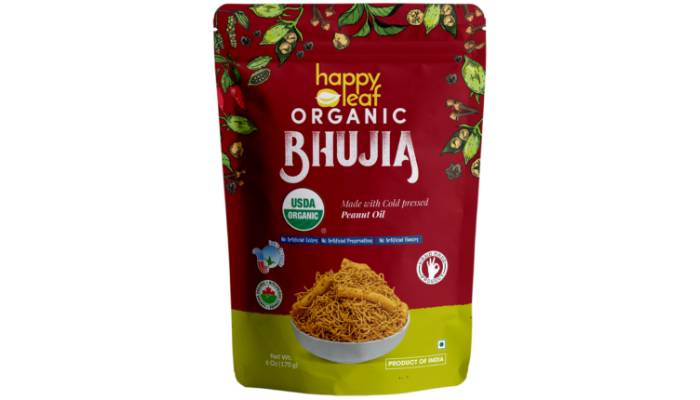
Identifying 100% organic South Indian snacks can be an exciting journey for food lovers. First, check for official certifications like USDA Organic or NPOP in India, which ensure that strict standards are met. For clear labeling, products marked “100% Organic” must contain entirely organic ingredients, while those labeled “Organic” need at least 95%. Sourcing is crucial too; look for native ingredients such as rice and spices that are organically sourced without artificial additives. Popular snack options include various murukku types and banana chips fried in organic coconut oil. Lastly, explore consumer reviews for brand reliability to find tasty treats you can trust!
1. Understanding Organic Certification Standards
To ensure you’re getting truly 100% organic South Indian snacks, it’s vital to look for credible organic certification seals. These include well-known labels like USDA Organic or EU Organic, which show that the product has met strict organic farming guidelines. In India, the National Programme for Organic Production (NPOP) sets clear standards for organic products, so always check for this certification when shopping locally. Organic certification is not just a label; it involves rigorous controls on farming practices, ensuring that no synthetic pesticides or fertilizers are used in the cultivation of ingredients. Farmers must maintain detailed records of their organic practices, allowing for traceability of the ingredients in your snacks.
Regular inspections by authorized bodies are also part of the certification process, ensuring ongoing compliance with organic standards. It’s crucial to verify that the certification is current and not expired, as standards can change over time. Research the certifying body to confirm its credibility and reputation within the organic community. Be cautious of brands that may use misleading terms, so always take the time to verify the authenticity of their claims. Different countries have varying certification standards, so looking for local certifications is important, especially when buying internationally. By understanding these organic certification standards, you can make informed choices about the snacks you enjoy, ensuring they align with your health and ethical values.
- Look for seals like USDA Organic or EU Organic to ensure the product meets strict organic standards.
- In India, check for the National Programme for Organic Production (NPOP) certifications as they provide guidelines for organic products.
- Understand that organic certification involves strict controls on farming practices, ensuring no synthetic pesticides or fertilizers are used.
- Farms must maintain records of their organic practices, ensuring traceability of the ingredients used in snacks.
- Organic certification also requires regular inspections by authorized bodies to maintain compliance with organic standards.
- Make sure the certification is current and not expired, as standards may change over time.
- Research the certifying body to confirm its credibility and reputation in the organic community.
- Be aware that some brands may use misleading terms; always verify the authenticity of their claims.
- Different countries have different certification standards, so look for local certifications when buying internationally.
- Understanding these standards equips consumers to make informed choices about the snacks they purchase.
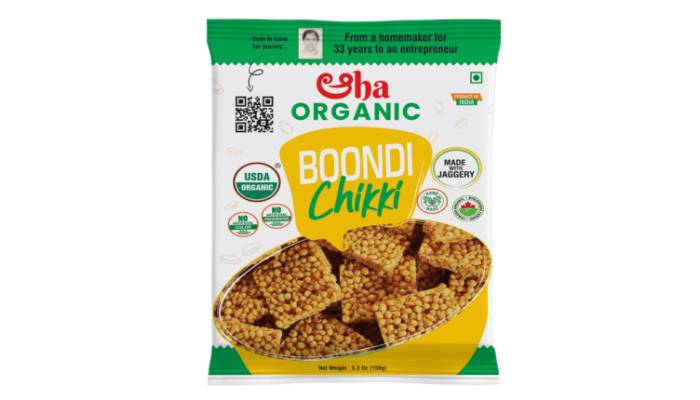
2. Decoding Snack Labeling Information
When it comes to identifying truly organic South Indian snacks, decoding the labeling information is essential. A product labeled “100% Organic” means it contains only organic ingredients, with no synthetic additives allowed. On the other hand, if the label simply states “Organic,” it must have at least 95% organic ingredients, which means 5% can be non-organic but must adhere to specific guidelines. If you see “Made with Organic Ingredients,” that indicates at least 70% of the ingredients are organic, but it cannot showcase the USDA seal.
Pay close attention to ingredient lists; clarity is vital. Avoid snacks that use vague terms like “natural flavors,” as these can mask non-organic components. Instead, look for products that specify the organic ingredients they use, enhancing transparency and trust. Keep in mind that terms such as “free from” or “no added preservatives” do not automatically mean a product is organic. Watch for misleading claims too, like “farm fresh” or “all-natural,” which lack the rigorous standards of organic certification.
Nutritional information can also provide valuable insights. Organic snacks often have fewer preservatives and additives, making them a healthier choice. Be wary of colorful packaging and marketing gimmicks that may distract you from the true quality of the content inside. Knowing how to effectively read labels helps you make informed choices that align with your health goals and dietary preferences.
3. Sourcing Ingredients for Authenticity
To identify truly organic South Indian snacks, focus on the sourcing of ingredients. Look for snacks made from traditional South Indian staples like rice, lentils, and spices, all sourced from organic farms. Brands that share information about their ingredient origins promote local agriculture and support community farmers. Authentic snacks should be free of artificial additives, as organic standards strictly prohibit synthetic ingredients. Seek out brands that emphasize sustainable sourcing, which benefits both the environment and local communities.
Research the supply chain of brands to grasp their commitment to authentic ingredients. A good practice is to check for the absence of common allergens and non-organic fillers, often found in mass-produced snacks. Whole ingredients are key, snacks made with these are more likely to be authentic and nutritious. Supporting brands that prioritize fair trade practices ensures that farmers receive fair compensation for their hard work. Additionally, authentic snacks often reflect traditional preparation methods, which enhance flavor and quality. By ensuring ingredient authenticity, you can enjoy snacks that are true to your cultural roots.
4. Exploring Traditional Snack Varieties
Dive into the vibrant world of organic South Indian snacks that celebrate the region’s rich culinary traditions. From the irresistible crunch of various murukku types to the satisfying crisp of rice-based treats, each snack tells a story. Take murukku, for instance: you can enjoy the classic Mullu Murukku with its delightful twists, or the hand-shaped Kai Murukku that offers a unique texture. Don’t forget the flavorful Thenkuzhal, a must-try for crispy snack lovers. Rice-based snacks like banana chips are not only delicious but also versatile, making them perfect for a quick bite or as a side dish. Look for these banana chips fried in organic coconut oil for an authentic taste experience. Explore mixed snacks like healthy bhuja, a delightful blend of roasted lentils, nuts, and spices that provides a wholesome treat. Remember to keep an eye out for snacks made without palm oil, as this can often indicate a non-organic product. Seasonal variations also play a role, with traditional recipes evolving with the harvest. By sampling these snacks, you not only indulge in unique flavors but also connect with the heart of South Indian culture.
5. Highlighting Quality Testing Practices
Brands like House of Happy Leaf lead the way in ensuring their snacks meet rigorous organic standards through thorough quality testing. It is essential to seek brands that prioritize transparency in their testing processes, as reputable companies are open about how they ensure their products are safe and organic. Quality testing involves checking for pesticide residues and contaminants, which is crucial for consumer safety. Look for brands that share their testing results, fostering trust and confidence in their products. Additionally, companies that invest in third-party testing provide an unbiased layer of quality assurance, reinforcing their commitment to excellence.
Quality control should not be a one-time measure; it must be a continuous process throughout the entire supply chain, from sourcing ingredients to the final product. Researching whether brands participate in organic food certifications can also indicate their dedication to maintaining high-quality standards. Customer feedback is another valuable resource, as it can reveal insights into a brand’s reliability and any potential quality issues. Furthermore, certifications in food safety and quality management systems add another layer of trust. By focusing on these quality testing practices, you can confidently choose snacks that are not only delicious but also genuinely safe and organic.
6. Assessing Market Presence of Brands
When it comes to identifying 100% organic South Indian snacks, assessing the market presence of brands can be a game changer. Brands that have made a name for themselves internationally tend to uphold higher quality standards. Researching the history and reputation of these brands can reveal their commitment to organic principles. Look for brands that are well-respected within the organic community, as this often indicates a correlation with quality. Participating in organic food expos or trade shows shows that a brand is dedicated to the industry, further solidifying their credibility.
Awards and certifications from reputable organizations in the organic sector also speak volumes about a brand’s commitment to quality. On top of that, exploring online platforms that track brand performance and consumer satisfaction can provide valuable insights into their market presence. Longevity matters too; brands that have been in the organic market for years often prove to be more reliable.
Investigating a brand’s distribution network is crucial, as proper handling and storage are vital for maintaining product integrity. Partnerships with local farmers or cooperatives can also enhance authenticity, showing a brand’s dedication to supporting local economies. By understanding these aspects of market presence, consumers can make informed choices and identify trusted brands that align with their values.
7. Evaluating Consumer Reviews and Brand Reputation
Diving into consumer reviews is a smart way to gauge a brand’s commitment to organic practices and overall product quality. Look for testimonials that highlight the authenticity of traditional South Indian snacks, as these can reveal how well a brand stays true to its roots. Independent review sites are goldmines for unbiased opinions, giving you a clearer picture of brand performance and customer satisfaction. Following brands on social media can keep you in the loop about their interactions with consumers, allowing you to see real-time feedback and updates.
It’s also important to check if any complaints have surfaced regarding organic claims or product quality. Recurring themes in reviews, especially positive feedback about taste and authenticity, can signal a trustworthy brand. Community forums can provide diverse perspectives, as consumers share their personal experiences with organic snacks, enriching your understanding. Brands that actively engage with customer feedback demonstrate a commitment to improvement and satisfaction.
Lastly, consider whether brands participate in community outreach or education about organic practices, as this can enhance their reputation in the market. Evaluating consumer reviews not only informs your choices but also empowers you to select snacks that align with your values.
8. Spotlight on House of Happy Leaf’s Unique Offerings
House of Happy Leaf stands out with its delightful range of organic snacks that celebrate the rich flavors and ingredients of South Indian cuisine. Their commitment to sourcing authentic ingredients directly from local farmers not only ensures freshness and quality but also supports the community. You’ll find unique snack combinations that creatively blend traditional recipes with modern tastes, providing a delightful experience for adventurous eaters. Keep an eye out for their limited edition or seasonal snacks, which beautifully reflect regional festivities and culinary traditions, adding a special touch to your snacking experience.
Transparency is key, and House of Happy Leaf excels at providing detailed information about their sourcing and quality testing practices on their packaging and website, so you know exactly what you’re enjoying. With clearly labeled ingredients, they make it easy for consumers to understand what goes into their snacks. For those looking to engage further, their customer loyalty programs and promotions encourage repeat purchases, creating a community of happy snackers. Plus, their involvement in sustainability initiatives shows a dedication to environmental stewardship, making them a responsible choice. Collaborations with local artisans and co-ops enhance the authenticity of their offerings, ensuring that each bite is a true taste of South India. By spotlighting House of Happy Leaf, you can discover a brand that truly embodies the essence of organic South Indian snacks.
Frequently Asked Questions
What should I look for on the label of South Indian snacks to ensure they’re organic?
To confirm a snack is organic, check the label for the USDA organic seal or any certifications from recognized organic organizations. Look for ingredients that are non-GMO and free from artificial preservatives, colors, and flavors.
How can I tell if the ingredients in South Indian snacks are fresh and natural?
Fresh and natural ingredients usually come from whole foods without additives. Look for items like freshly ground spices, whole grains, and natural oils. Check for expiry dates and choose snacks that are produced locally, as they tend to use fresher ingredients.
What are some common preservatives that I should avoid in South Indian snacks?
Avoid snacks with preservatives like BHA, BHT, and sodium benzoate, as these can be harmful. Instead, opt for snacks that use natural preservatives, such as vinegar or salt, which are safer and maintain flavor.
How can sourcing locally help ensure the snacks are organic?
Sourcing locally often means that the snacks are made with ingredients grown nearby, which can be fresher and potentially organic. Local producers are also more likely to follow organic farming practices, creating a more authentic and health-conscious snack.
Why is it important to check for added sugars in South Indian snacks?
Checking for added sugars is crucial because excessive sugar can lead to health issues, such as obesity or diabetes. Favor snacks with minimal to no added sugars, and look for natural sweeteners, like jaggery or coconut sugar.
TL;DR Discover how to spot 100% organic South Indian snacks by checking organic certification seals like USDA Organic, examining labeling information to ensure ingredient ratios, and sourcing authentic traditional ingredients. Explore popular snacks such as murukku and banana chips, ensure quality testing by brands like House of Happy Leaf, assess market presence, and read consumer reviews to make informed choices. Enjoy delicious, health-conscious snacking!