
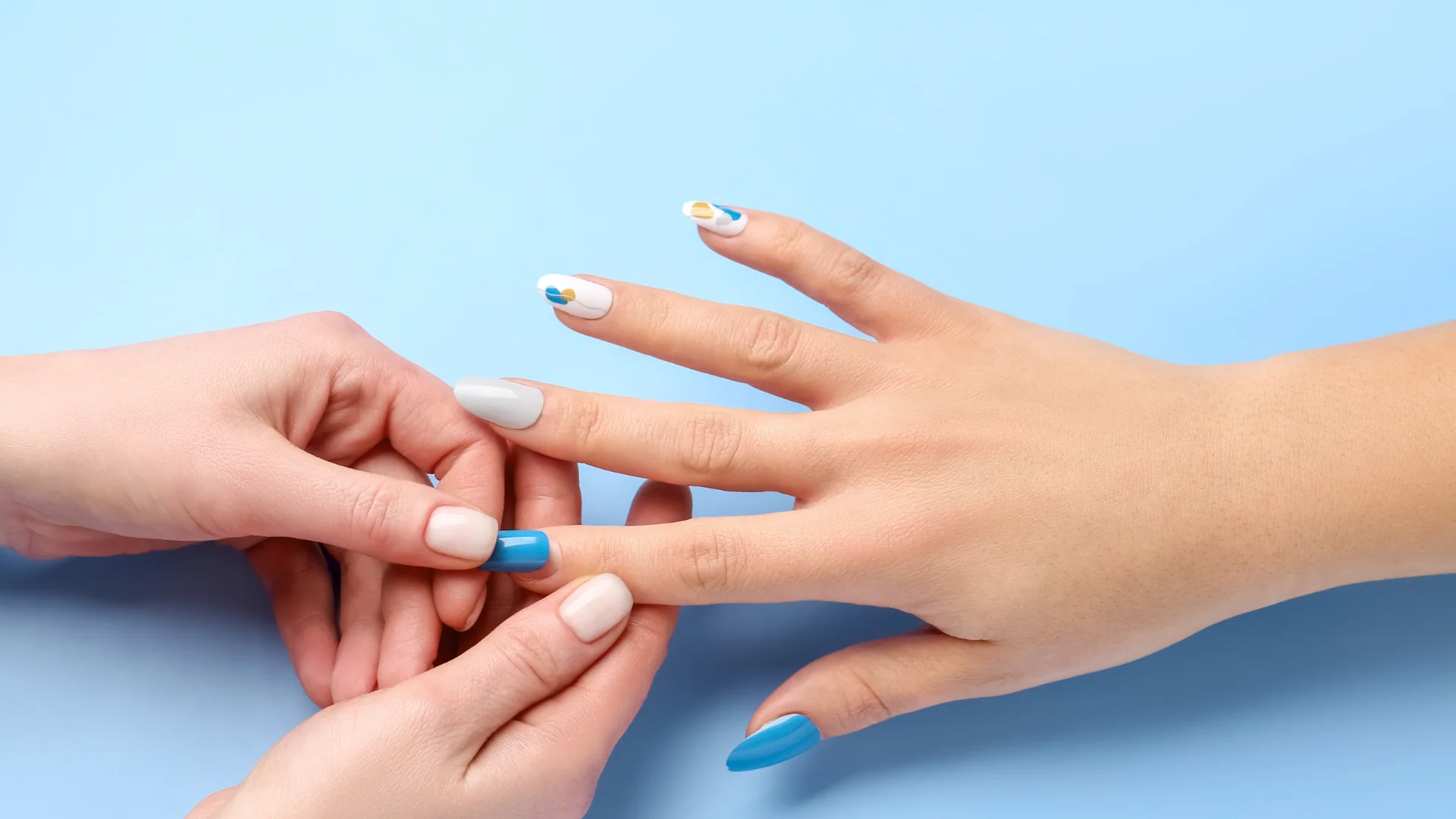
Press-on nails can create a salon-quality look in minutes, but the secret to a flawless finish starts before the nails go on. Proper prep makes a major difference in how smooth the application feels and how long the nails stay in place. The best results come from clean, healthy nails that have been carefully shaped and prepared.
A few simple steps help prevent lifting, breakage, and early wear. By taking time to clean, file, and smooth the nail surface, anyone can achieve a strong, lasting bond. The right prep routine supports both the appearance of the press-ons and the health of the natural nails underneath.
Clean nails thoroughly to remove oils and dirt
Clean nails form the base for a smooth and lasting manicure. Before applying press on nails subscription sets, remove any old polish with a gentle, acetone-free remover. This step clears away buildup that can block proper adhesion.
Next, wash your hands with warm water and mild soap. Scrub under the nails with a soft brush to lift dirt and residue. Dry the nails completely with a clean towel, since moisture can weaken adhesive strength.
For extra preparation, swipe each nail with rubbing alcohol or nail polish remover. This removes natural oils that can cause lifting or bubbles. Some prefer a mix of vinegar and warm water as a natural cleanser.
Finish by checking that nails are smooth and free from debris. A clean, dry surface helps press-ons stick evenly and last longer. Taking a few minutes to clean nails carefully can make a noticeable difference in the final look and wear time.
Gently push back cuticles using a cuticle pusher
Softening the cuticles first helps make the process easier. Soaking the fingertips in warm water for a few minutes or applying cuticle oil loosens the thin layer of skin at the nail base. This step reduces the chance of tearing or discomfort.
After the cuticles soften, a cuticle pusher can help create a clean nail surface. The flat or rounded end of the tool should move gently toward the base of the nail. Light pressure works best, as too much force can damage the skin or nail plate.
Some people prefer wooden or rubber pushers since they are less harsh than metal ones. The goal is to expose more of the nail bed without scraping it. This step helps nail products adhere more evenly and gives a smoother finish.
Finally, any loose skin can be wiped away with a clean cloth. Nails should look neat and ready for the next stage of the press-on application.
File nails to smooth edges and create a flat surface
Before applying press-on nails, the natural nails should feel smooth and even. Rough or uneven edges can cause the press-ons to lift or not sit properly. A fine nail file works best for shaping and flattening the surface without thinning or damaging the nail.
They should file in one direction instead of sawing back and forth. This method helps prevent splitting and gives a cleaner edge. A 180- or 240-grit file usually provides enough control for natural nails.
After shaping, the surface should look flat and free of ridges. Lightly buffing the top helps remove any rough spots that could trap air under the press-on. The goal is a smooth, even base that allows the adhesive to stick more securely.
Finally, any dust from filing should be wiped away with a clean, dry cloth. Removing residue helps the press-ons bond better and last longer.
Buff the nail surface lightly to improve adhesion
A light buff helps press-on nails stay in place longer. It removes natural oils and shine that can block glue from sticking well. A smooth but slightly rough surface gives the adhesive something to grip.
They should use a fine-grit buffer and move it gently across each nail. Too much pressure can thin or weaken the nail plate. The goal is not to file down layers but to dull the surface evenly.
After buffing, it helps to wipe nails with rubbing alcohol or nail polish remover. This step clears away dust and leftover oils. Clean nails allow the press-ons to attach more firmly and look more natural.
Buffing takes only a few minutes but can make a clear difference in how long press-on nails last. A careful, light touch keeps nails healthy while improving the hold of the adhesive.
Avoid applying press-ons on brittle or damaged nails
Healthy nails create a stronger base for press-ons. Nails that peel, crack, or feel sore cannot hold adhesive well, which causes the press-ons to lift early or fall off. Applying pressure to weak nails may also cause more breakage or pain.
Experts advise waiting until nails recover before using press-ons. A person can trim rough edges, apply a nail-strengthening treatment, and keep nails moisturized to help them heal. This care helps the nail surface stay smooth and firm.
Applying press-ons to damaged nails can trap moisture and bacteria under the artificial nail. That can lead to infection or more peeling. Therefore, it makes sense to let nails regain strength first.
A short break from press-ons allows natural nails to breathe and repair. Once nails feel firm and look even, press-ons will attach better and last longer. Healthy nails always give the best results for a neat, lasting manicure.
Use an alcohol wipe to remove any remaining residue
After shaping and buffing the nails, it helps to clean the surface with an alcohol wipe. This step removes leftover dust, oil, or polish remover that could stop the adhesive from sticking well. A clean nail surface helps press-ons stay secure for longer.
Isopropyl alcohol works best for this step. It dries quickly and leaves no film behind. Using a lint-free wipe prevents small fibers from sticking to the nail surface.
Some people use alcohol pads, while others apply alcohol with a cotton pad. Either method can work as long as the nail becomes completely clean and dry.
This cleaning step also helps the press-on nails look smoother and more natural. Any residue left behind can create small gaps or cause lifting later. A quick wipe with alcohol makes a noticeable difference in how well the nails adhere and how neat they appear.
Conclusion
Proper nail prep helps press-on nails stay secure and look neat. Clean, dry, and smooth nail surfaces allow glue to bond better and reduce lifting.
Trimming and lightly buffing natural nails creates a stable base that supports even application. Avoiding oils, lotions, or water before use prevents weak adhesion.
Consistent care before each set helps nails last longer and keeps natural nails healthy. By following these steps, anyone can achieve a clean, lasting finish with less effort.