
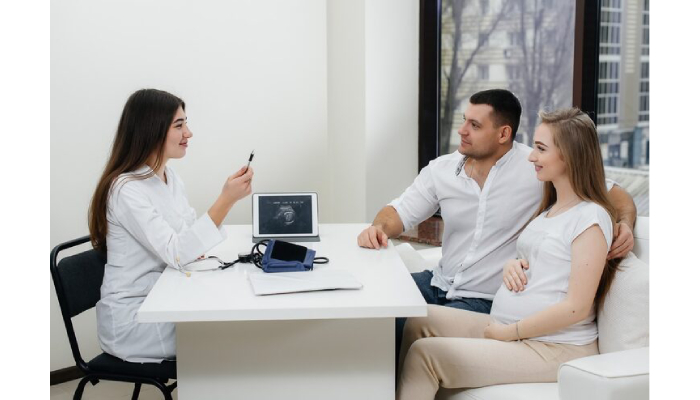
The egg donor screening process in San Diego is comprehensive and crucial for ensuring a safe donation experience. It starts with an initial consultation where potential donors discuss their medical backgrounds, lifestyles, and motivations to understand if they’re suitable. Following this, candidates fill out an application detailing personal information and medical history. Next comes the medical screening phase, including blood tests to check hormone levels and genetic testing to identify any inherited conditions. Psychological evaluations ensure emotional readiness while legal counseling clarifies roles and responsibilities. Once cleared, donors undergo ovarian stimulation for egg retrieval, a minor procedure that requires aftercare to monitor health post-donation. Compensation is provided for the effort involved, making this a rewarding experience for many women eager to help others create families.
1. Understanding the Egg Donor Screening Process
The egg donor screening process San Diego is designed to ensure that only the healthiest candidates are selected for donation, making it a crucial step in the journey. It involves a series of evaluations, including medical, psychological, and legal assessments, to guarantee that donors are fully prepared and informed. Each potential donor receives personalized attention tailored to their unique background and needs, ensuring a supportive environment throughout the process.
The journey typically begins with an initial consultation, where the donor’s medical history and lifestyle choices are discussed. This helps the clinic assess the individual’s suitability for donation. The application process follows, requiring candidates to provide detailed personal information and medical history to determine eligibility.
Medical screenings are comprehensive and include blood tests, genetic testing, and screenings for infectious diseases. These evaluations are essential in assessing the donor’s overall health and fertility potential. Additionally, psychological evaluations help ensure that the donor is emotionally prepared for the donation and understands its implications. Legal counseling is also a key component, as it involves preparing contracts that clearly outline the rights and responsibilities of both the donor and the recipients, ensuring everyone is aware of the legal ramifications involved.
Throughout the screening process, donors are encouraged to ask questions and voice any concerns they might have. Support staff are always available to provide clarity and information, fostering a transparent and comfortable atmosphere. Confidentiality is a top priority, with measures in place to protect the donor’s privacy at all stages.
Ultimately, successful completion of this thorough screening process leads to eligibility for egg donation, allowing the donor to play a vital role in helping others achieve their dreams of parenthood.
- The screening process ensures that only healthy candidates are selected for egg donation.
- It involves multiple evaluations including medical, psychological, and legal aspects.
- Donors are informed about the entire process to ensure transparency.
- Each donor receives personalized attention based on their unique background and needs.
- The process can take several weeks, allowing time for thorough assessments.
- Support staff are available to answer any questions throughout the screening process.
- Donors are encouraged to ask about any concerns during their consultations.
- Confidentiality is maintained throughout the process to protect donor privacy.
- The clinic provides educational materials to help donors understand their role.
- Successful completion of the screening leads to eligibility for donation.
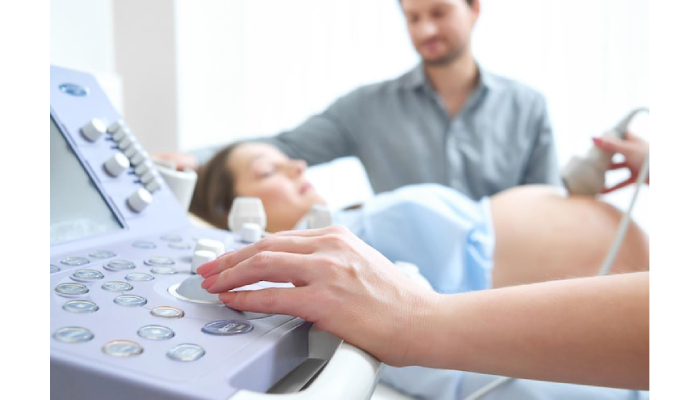
2. Initial Consultation for Egg Donors
The initial consultation is an exciting and crucial first step for potential egg donors. During this meeting, the clinic dives into your personal and medical history, gathering important details that help assess your suitability for the program. It’s a time for open discussion where you can share your motivations for becoming a donor and ask any questions that may be on your mind. This consultation also serves as a valuable opportunity to learn about the entire donation process, including what to expect in terms of time commitment and the various stages involved.
You might meet with medical professionals and counselors who are there to ensure you feel comfortable and informed every step of the way. They will guide you through the screening and application process while also assessing your emotional readiness for this significant decision. Additionally, the clinic will provide information about compensation and outline any potential risks associated with egg donation. This initial meeting sets the tone for a supportive and transparent journey as you consider this life-changing opportunity.
3. Steps in the Egg Donor Application Process
The egg donor application process begins with a detailed form, where hopeful donors provide personal information such as their age, education, and lifestyle choices. This foundational step sets the stage for determining eligibility. A significant part of this application is the medical history, which must be accurately filled out to ensure a safe donation process. Donors may also be asked to submit photographs or a personal statement outlining their reasons for wanting to donate, adding a personal touch to their application.
Once the application is submitted, clinic staff reviews it thoroughly. They assess the information provided to determine if the applicant meets the necessary criteria. In some clinics, this step may include a preliminary phone interview to clarify any details or answer questions. If the applicant is deemed eligible, they will be invited for an initial consultation, where further discussions about their motivations and health will take place.
It’s essential for donors to ask questions about the next steps after submitting their application, as this shows engagement and can help clarify the process. Additionally, the timeline for application processing can vary slightly between clinics, so timely submission of all required documents is crucial in expediting the process.
4. Importance of Medical Screening in Egg Donation
Medical screening is a crucial part of the egg donation process, ensuring both donor health and safety. This comprehensive evaluation is designed to identify any potential health issues that could impact the donation, protecting not just the donor but also the future recipients. Clinics conduct thorough assessments, including blood tests and ultrasounds, to confirm that the donor is fit for the procedure. The results of these screenings play a significant role in determining eligibility for donation. Throughout the process, donors receive guidance on how to maintain their health, and medical professionals take the time to explain the purpose of each test, making sure the donor understands what to expect. In cases where any concerns arise during initial screenings, donors may be referred for additional testing to ensure everything is in order. The screening process adheres to strict medical guidelines and protocols, fostering a safe environment for all involved. Moreover, donors learn about how their health can affect future pregnancies, adding an essential layer of awareness to the donation experience.
5. Key Medical Tests for Egg Donors
The key medical tests for egg donors are crucial in ensuring the health of both the donor and the future children. Blood tests play a vital role in evaluating hormone levels and overall health, giving insights into the donor’s fertility potential. Hormonal tests specifically assess ovarian function, helping determine how well the ovaries are performing. Genetic testing is another essential step that screens for inherited conditions, ensuring that any potential issues are identified before donation. Additionally, infectious disease screening is performed to check for HIV, Hepatitis, and other sexually transmitted infections, which is vital for the safety of all parties involved. Ultrasounds are also conducted to assess the health of the ovaries and the egg reserve, providing a clear picture of the donor’s reproductive health. Some clinics may include a physical examination as part of the screening process, and additional tests may be required based on the donor’s medical history. It’s important to note that results from these tests are kept confidential and shared only with the donor and clinic. Prospective donors are informed about the specific tests they need to undergo, and understanding the purpose of these evaluations helps them feel more comfortable throughout the process.
6. Psychological Evaluation: What to Expect
The psychological evaluation is a crucial part of the egg donor screening process. This assessment helps determine if the donor is emotionally ready for the journey ahead. During this evaluation, donors typically meet with a licensed mental health professional who will guide them through important discussions. Topics covered include motivations for donation, expectations about the process, and potential emotional impacts. Donors are encouraged to express any concerns or reservations they may have, which fosters a supportive environment.
This confidential process ensures that donors are fully informed about the implications of egg donation, allowing them to make educated decisions. Counselors provide valuable support and resources for any emotional questions that arise, emphasizing the importance of mental health throughout the process. Some clinics may even require follow-up sessions to address any ongoing concerns, allowing donors to feel secure and understood. Ultimately, this evaluation is not just a formality; it plays a key role in ensuring that donors are well-prepared and aware of what lies ahead.
7. Legal Counseling for Egg Donors
Legal counseling is a vital step in the egg donation journey, ensuring that donors fully understand their rights and responsibilities. During this process, donors carefully review contracts that outline their role and the implications of their donation. Counselors take the time to explain crucial legal aspects, such as anonymity and parental rights, helping donors grasp what these terms mean for their situation. It is essential for donors to ask questions about any uncertainties regarding the contract, as clarity is key. The legal agreements serve to protect both the donor and the recipients, creating a secure environment for everyone involved. Furthermore, donors are made aware of the potential for future contact with the recipients, which can impact their decision. Counseling sessions are designed to demystify the legal language used in contracts, transforming complex terms into understandable concepts. Ultimately, this legal process aims to ensure that donors feel secure in their decision to donate. If desired, donors also have the option to consult with independent legal advisors, adding another layer of reassurance. Understanding these legal implications empowers donors to make informed choices, paving the way for a positive donation experience.
8. The Egg Retrieval Process Explained
The egg retrieval process is an exciting and vital step in the journey of egg donation. This minor surgical procedure, performed under sedation, is designed to carefully collect the mature eggs from the ovaries. Before the retrieval, donors undergo ovarian stimulation through hormonal injections, which encourage the ovaries to produce multiple eggs, increasing the chances of successful fertilization later on. Throughout this period, donors are closely monitored with regular ultrasounds and blood tests to ensure the stimulation is proceeding as planned.
On the day of the procedure, the donor will find themselves in a comfortable clinic setting, surrounded by experienced medical professionals who prioritize their safety and well-being. The actual retrieval typically takes about 20 to 30 minutes, making it a relatively quick process. During this time, donors can rest assured that they are in good hands, as the medical team is skilled in handling any concerns that may arise.
After the eggs are successfully collected, donors are carefully monitored until the sedation wears off. This ensures they can recover safely and comfortably. Most donors are able to return home the same day, as the recovery time is quite short. They will also receive clear aftercare instructions to help manage any side effects and ensure a smooth recovery. Understanding the retrieval process can greatly alleviate any anxiety or uncertainty that donors may feel, making it a more positive experience overall.
9. Compensation for Egg Donors
Compensation for egg donors in San Diego varies by clinic and can depend on factors such as donor experience and specific circumstances. Typically, donors are compensated for their time, medical procedures, and any inconvenience associated with the donation process. This structured payment system ensures that donors are fairly rewarded for their contributions, recognizing the significance of their role in helping others achieve their dreams of parenthood. Some clinics even offer additional bonuses for repeat donors or in unique situations, adding an extra incentive for those who choose to donate again.
Discussions about compensation usually take place during the initial consultation phase, allowing donors to understand the payment structure and feel comfortable addressing any financial concerns with clinic staff. Transparency about the compensation process helps build trust between the donor and the clinic, ensuring that donors are informed about the payment timeline following the egg retrieval. Payments are made in accordance with legal agreements, which further assures fairness and clarity in the transaction. Understanding how compensation works allows donors to make informed decisions that align with their personal values and circumstances.