
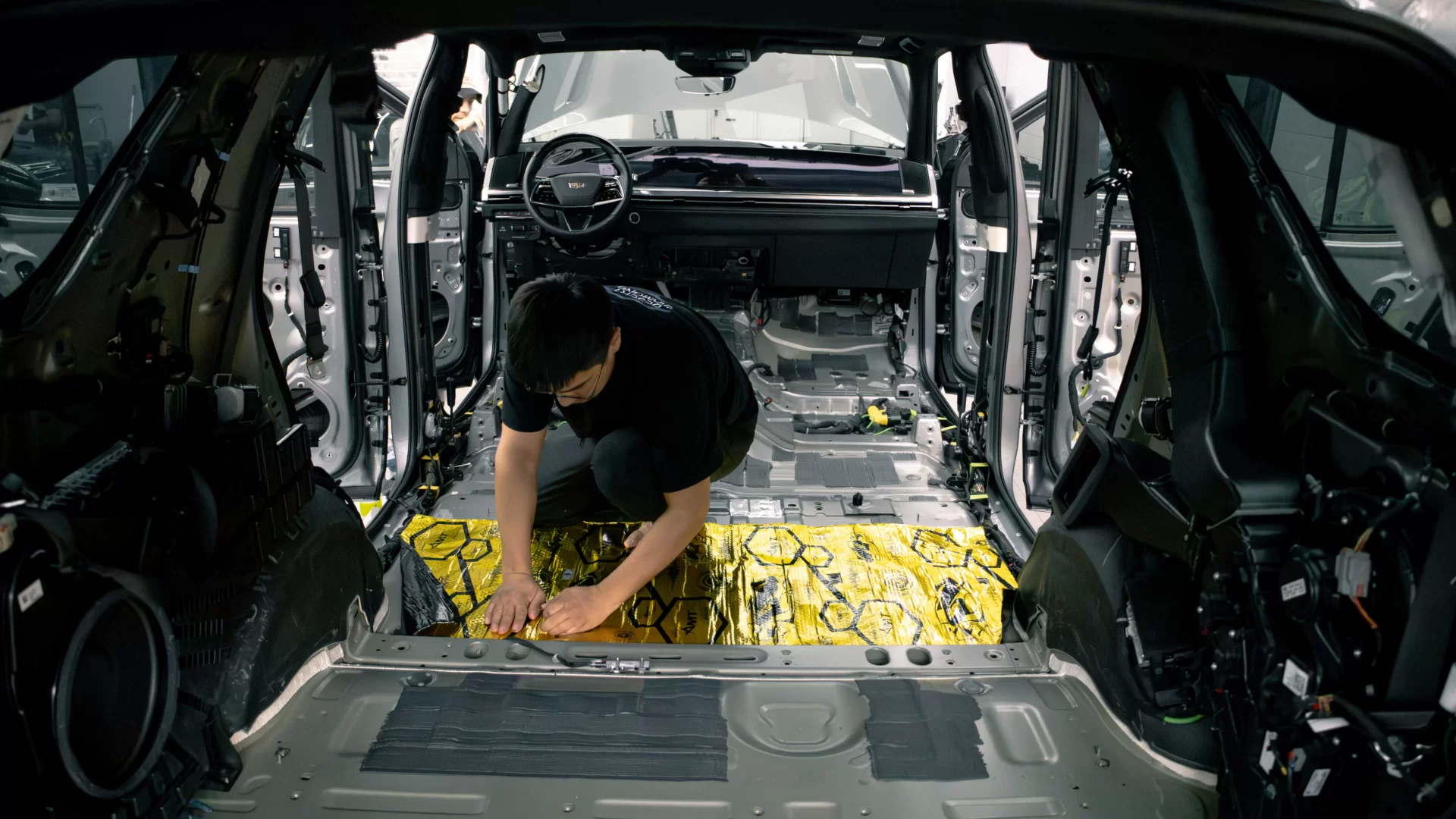
A quiet cabin can completely transform your driving experience. Whether you commute daily, take long road trips, or simply prefer peaceful rides, soundproofing your car reduces unwanted noise from the road, wind, and engine. With the right materials and techniques, you can significantly cut noise levels without professional help. This guide explains how to soundproof your car for a quieter ride using cost-effective steps and practical upgrades.
Soundproofing also benefits your car’s audio quality by minimizing outside interference, allowing your music, podcasts, and calls to sound clearer. Some drivers also choose to improve their cabin experience by adding accessories like the Best Dash Cams With Night Vision Under $100, which pair well with a quieter environment.
Below are the most effective strategies to reduce vehicle noise.
Understanding the Main Sources of Car Noise
Before you begin, identify which type of sound enters the cabin:
1. Road Noise
Generated by tires rolling over the pavement. More noticeable at higher speeds.
2. Wind Noise
Occurs when air leaks through doors, windows, or poor seals.
3. Engine and Exhaust Noise
Common in older or high-performance vehicles.
4. Vibrations
Metal panels and interior trim pieces can rattle while driving.
Pinpointing the noise source helps you select the correct materials and soundproofing steps.
Best Ways to Soundproof Your Car
1. Install Sound Deadening Mats
One of the most effective techniques is applying butyl or foam mats to the floors, doors, and trunk. These mats block vibrations and reduce road noise dramatically.
How to apply:
-
Remove seats and carpets.
-
Clean the metal surface.
-
Cut and apply adhesive mats.
-
Replace interior parts.
2. Add Floor and Trunk Insulation
Floors and trunks are major noise entry points. Adding thick insulation layers improves acoustic dampening and heat control.
3. Soundproof Your Doors
Doors are hollow, making them prone to wind noise and rattling.
What to add:
-
Deadening mats
-
Closed-cell foam
-
Acoustic barriers
This also enhances your speaker audio quality.
4. Upgrade Your Door Seals
Old or worn-out door seals let wind seep in. Replacing weatherstripping is low-cost and provides immediate noise reduction.
5. Soundproof the Wheel Wells
Road and tire noise enter directly through wheel wells. Using spray-on or adhesive insulation helps minimize noise.
6. Use Acoustic Headliner Foam
The roof often transmits wind noise, especially at high speeds. Adding acoustic foam beneath the headliner reduces echo and improves interior quietness.
7. Install Acoustic Glass or Tint
While replacing windows is costly, some specialized tint films and acoustic glass upgrades help soften noise.
8. Choose Quiet Tires
Some tires are designed to minimize road vibrations. If your current tires are loud or worn, upgrading can make a noticeable difference.
Soundproofing Materials Comparison Table
| Soundproofing Material | Best For | Noise Reduction Level | Cost | Difficulty |
|---|---|---|---|---|
| Butyl Sound Deadening Mats | Floors, doors, trunk | High | Medium | Moderate |
| Closed-Cell Foam | Roof, doors | Medium | Medium | Easy |
| Mass Loaded Vinyl (MLV) | Floors, cabin divider | Very High | High | Hard |
| Spray-On Dampener | Wheel wells, underside | Medium | Low | Easy |
| Weatherstripping | Doors, windows | Low to Medium | Low | Very Easy |
| Acoustic Tint/Film | Windows | Low | Medium | Easy |
Step-by-Step Soundproofing Plan
Step 1: Start With the Floor
Since the floor is closest to the road, deadening it reduces most of the constant hum.
Step 2: Move to the Doors
Doors contribute to both wind and vibration noise. Insulating them enhances quietness and improves music clarity.
Step 3: Treat the Trunk
The trunk above the rear wheel wells is a major source of noise, especially in hatchbacks and SUVs.
Step 4: Address the Roof
If highway wind noise is still noticeable, add foam insulation under the headliner.
Step 5: Seal All Openings
Use foam tape and replacement weatherstrips around windows and doors to block air leaks.
Additional Tips for a Quieter Ride
-
Keep tires inflated to the recommended pressure
-
Replace worn suspension parts
-
Remove loose items from the cabin and trunk
-
Maintain door hinges and latches
-
Use thicker floor mats designed for sound absorption
These small adjustments can complement your major soundproofing efforts.
FAQs
1. How much does soundproofing a car cost?
Costs range from $100 to $800 depending on materials and how much of the car you cover. DIY installation is cheaper than professional service.
2. Does soundproofing make a noticeable difference?
Yes. With proper installation, you can reduce cabin noise by 30–50 percent, especially at highway speeds.
3. Can I soundproof my car without removing seats and panels?
You can improve noise slightly with floor mats, weatherstrips, and door seals, but full soundproofing typically requires partial disassembly.
4. How long does car soundproofing take?
A complete DIY project takes 4–10 hours depending on experience and how many sections you cover.
5. Will soundproofing add weight to my car?
Yes, but generally no more than 20–50 pounds, which doesn’t significantly affect performance.
Final Thoughts
Soundproofing your car is one of the best upgrades for comfort, audio quality, and long-distance travel enjoyment. By targeting key noise sources with effective materials, you can achieve a noticeably quieter ride without professional help. Start with floors and doors, then work your way to the trunk and roof for maximum results. With a well-soundproofed cabin, every drive becomes more peaceful and enjoyable.