
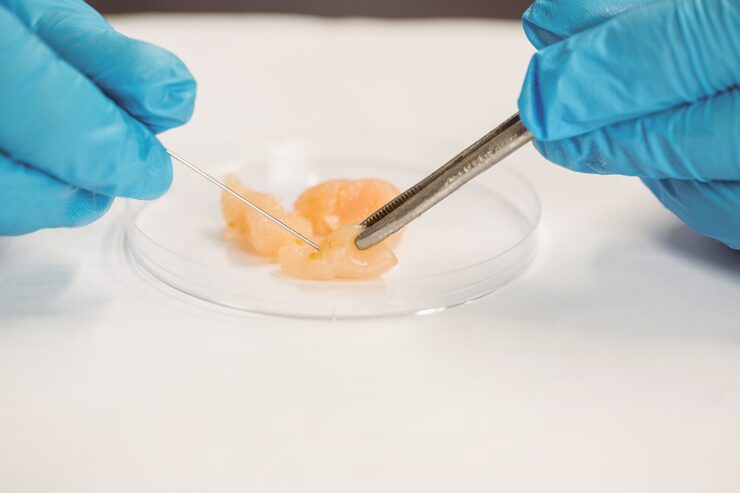
Frozen eggs have become an increasingly important option for people seeking fertility treatments and exploring their path to parenthood. Whether you’re considering egg freezing for future use, undergoing fertility treatments, or exploring options for your family planning journey, understanding the science, benefits, and process behind frozen eggs can help you make informed decisions about your reproductive future.
Frozen Eggs for Fertility Treatments?
Frozen eggs for fertility treatments are egg cells that have been extracted from the ovaries, preserved using specialized cryopreservation techniques, and stored for future use in fertility treatments. The process of egg freezing involves hormone stimulation to develop multiple eggs, retrieval of those eggs through a minimally invasive procedure, and then freezing them using advanced technology to preserve their viability. When you’re ready to use these frozen eggs, they can be thawed, fertilized with sperm, and transferred to the uterus as an embryo. The science behind egg freezing has advanced dramatically over the past decade, with improvements in freezing techniques and thawing success rates making this an increasingly viable option for people of all ages who wish to preserve their fertility.
 Why Choose Frozen Eggs for Fertility Treatments?
 Why Choose Frozen Eggs for Fertility Treatments?
There are numerous compelling reasons why individuals and couples choose frozen eggs for their fertility treatments. For many people, the primary benefit is the flexibility to pursue parenthood when they feel emotionally, financially, and physically ready. Frozen eggs offer a way to preserve your fertility at your current age, which is particularly valuable because egg quality declines with age. Women who are focused on their careers, education, or personal development can freeze their eggs when they’re younger and use them later, ensuring access to higher quality eggs when they’re ready to start a family. Additionally, frozen eggs provide options for same-sex couples and single individuals who want to have genetically-related children, making family building more accessible and inclusive for everyone seeking parenthood.
How Are Frozen Eggs Used in Fertility Treatment Cycles?
When you’re ready to use frozen eggs in your fertility treatment cycle, the process begins with thawing the eggs carefully in the laboratory. Once thawed, the eggs are assessed for viability and quality, and then fertilized using either conventional in vitro fertilization (IVF) or intracytoplasmic sperm injection (ICSI), depending on your specific circumstances and medical needs. After fertilization, the resulting embryos develop over several days in the laboratory, where they’re monitored for growth and development. A healthy embryo is then selected and transferred into the uterus, and the remaining embryos can be frozen for future use if desired. This entire process has been refined over decades of fertility medicine practice, and many clinics now achieve excellent success rates with frozen eggs, making it a reliable option for building families.
Important Considerations for Your Frozen Egg Journey
Before committing to using frozen eggs or egg freezing as part of your fertility treatment plan, there are several important factors you should carefully consider. First, understand the realistic success rates for your age and health profile, as outcomes can vary significantly depending on individual circumstances. It’s also crucial to consider the financial aspects, including the costs of egg retrieval, freezing, storage, and future thawing and transfer procedures. Additionally, discuss your preferences regarding donor selection, genetic testing of embryos, and the number of embryos you’d like to transfer or freeze. Learning about the egg matching process can help you navigate your fertility journey with greater comfort and clarity. Make sure you’re working with a fertility clinic that has experience and expertise in handling frozen eggs, and don’t hesitate to ask questions about their specific protocols and success statistics to ensure you’re making the best choice for your family-building journey.
Conclusion
Frozen eggs for fertility treatments represent an important advancement in reproductive medicine that offers hope, flexibility, and real possibilities for people seeking to build their families on their own terms. Whether you choose to freeze your own eggs for future use or opt for frozen eggs from a donor, this technology provides a pathway to parenthood that respects your timeline, your values, and your unique family-building goals. As fertility science continues to evolve, the success rates and accessibility of frozen egg treatments continue to improve, making this option increasingly viable for diverse populations. If you’re considering frozen eggs as part of your fertility treatment journey, take the time to research your options, connect with experienced fertility professionals, and make choices that feel right for you and your family. With the right support, guidance, and medical care, frozen eggs can be a transformative option on your path to becoming a parent.