
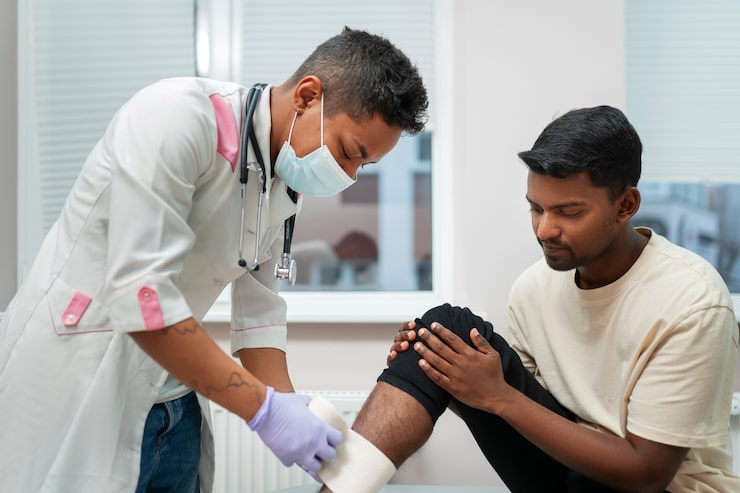
Preparing for orthopedic surgery can feel daunting, but with the right steps, you can make it easier on yourself. First, it’s important to sit down with your surgeon and fully understand the procedure and any risks involved. Don’t forget to complete any necessary preoperative tests like blood work. Optimizing your health is essential too; a balanced diet and weight management play crucial roles in recovery. You might also want to limit alcohol intake and consider quitting smoking before surgery. Logistically, prepare your home for a smooth recovery by removing tripping hazards and arranging support from family or friends for daily tasks afterward.
1. Understand Your Orthopedic Surgery
Before undergoing orthopedic surgeon new orleans, it is essential to have a clear understanding of what the procedure entails. Start by asking your surgeon about the specific type of surgery you will have, including its purpose and expected benefits. Knowing the details can help set realistic expectations. You should also inquire about the length of the surgery and what exactly will happen during the procedure, as this can ease any anxiety you might have. It’s important to discuss potential complications that could arise and how they will be managed by the surgical team. Having this information helps you feel more prepared for any unexpected situations.
Post-operative care is another crucial aspect to understand. Ask about the pain management plan and what kind of physical therapy you might need afterward. Knowing what to expect in your recovery can empower you to follow your care plan more effectively. Additionally, familiarize yourself with signs of complications, such as excessive swelling or signs of infection, so you can seek help if needed.
It’s also helpful to learn about the typical timeline for resuming normal activities after your surgery, this varies by procedure. If there are any medical terms or concepts that confuse you, don’t hesitate to ask for clarification. Requesting educational materials or resources can further enhance your understanding of the process.
Lastly, discuss the experience and success rates of the surgical team for your specific type of surgery. This can provide additional reassurance. Don’t forget to understand the follow-up care schedule and what will be expected during those visits, as this is vital for your recovery.
 2. Optimize Your Health Before Surgery
 2. Optimize Your Health Before Surgery
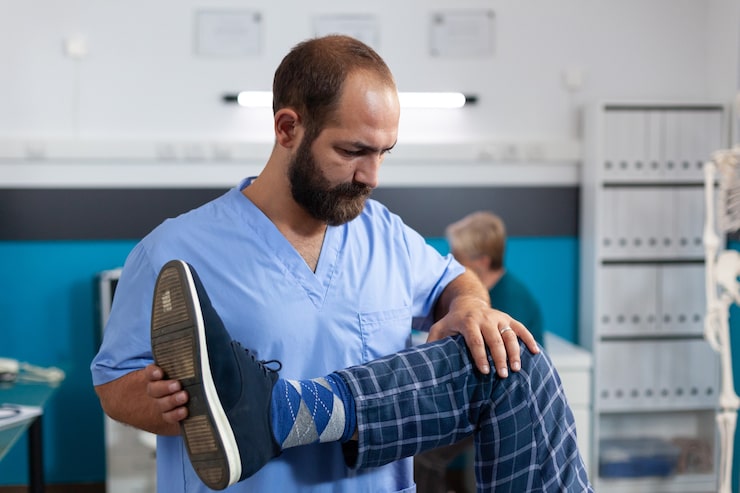
Before undergoing orthopedic surgery, taking steps to optimize your health is crucial. Start by scheduling a complete physical exam to assess your overall well-being. This will help identify any underlying issues that need attention. Staying hydrated is equally important; aim for at least 8 cups of water daily to support your body leading up to the procedure.
If you have chronic conditions like diabetes or hypertension, ensure they are well-managed. Discuss with your doctor the supplements you are taking, as some may interfere with the surgery. Gentle exercises, such as walking, can improve circulation and strength, which may aid in your recovery.
Consider joining a pre-surgery support group. Sharing experiences and insights with others can provide comfort and valuable information. Also, review your immunization status and get any necessary vaccinations if recommended by your healthcare provider.
Establishing a regular sleep routine can help ensure you are well-rested before the surgery. Additionally, exploring stress-reduction techniques like yoga or tai chi can enhance both your mental and physical state, making you feel more prepared. If needed, consult a dietitian to create a personalized nutrition plan that supports your health goals.
- Schedule a complete physical exam to assess your overall health before surgery.
- Stay hydrated, and aim for at least 8 cups of water daily leading up to the procedure.
- If you have chronic conditions, ensure they are well-managed prior to surgery, including diabetes or hypertension.
- Discuss with your doctor any supplements you are taking that might interfere with surgery.
- Engage in gentle exercise, such as walking, to improve circulation and strength before surgery.
- Consider joining a pre-surgery support group for insights and shared experiences.
- Review your immunization status and get any necessary vaccinations if recommended.
- Establish a sleep routine to ensure you are well-rested before the procedure.
- Explore stress-reduction techniques, such as yoga or tai chi, to improve your mental and physical state.
- Consult a dietitian if needed to create a personalized nutrition plan.
3. Prepare Your Home for Recovery
Preparing your home for recovery after orthopedic surgery is crucial for a smooth healing process. Start by creating a dedicated recovery space where you can comfortably rest. This area should have a cozy chair or sofa, with easy access to items you use daily like remote controls, books, and medication. Stock your kitchen with easy-to-prepare meals or snacks, so you have nutritious options available without much effort.
Safety is paramount, especially in the bathroom. Consider installing grab bars near the toilet and shower, and think about using a shower chair for added stability. Arrange your living space to allow clear pathways for crutches or a walker, removing any loose rugs or clutter that could lead to falls. You might even want to use a stool in the kitchen to lessen strain when preparing simple meals.
Setting up a bedside station can also be helpful. Keep essential items like medications, a glass of water, and entertainment options like books or a tablet within reach. Make sure your phone is charged and nearby, and have a way to contact someone for help if needed. Organizing your home to minimize bending or stretching during recovery will make a big difference. Lastly, keep a calendar or reminder system for any follow-up appointments, ensuring you stay on top of your recovery plan.
4. Arrange Support for Post-Surgery
After your orthopedic surgery, having the right support is crucial for a smooth recovery. Start by identifying a trusted friend or family member who can stay with you for at least the first few days. This person can help with daily tasks and provide companionship during a time when you might feel vulnerable.
Make sure to plan transportation to and from the hospital on the day of your surgery. It can be stressful to arrange this last minute, so consider discussing it with your support person in advance. Together, you can outline who will handle what responsibilities during your recovery.
If you have pets or children, it’s important to make arrangements for their care while you recuperate. Whether it involves asking a neighbor to help with dog walking or having a family member watch the kids, ensuring they are cared for allows you to focus on healing.
In some cases, hiring a caregiver might be beneficial. This extra support can be especially helpful for daily activities like meal preparation, medication management, or personal care. Clearly communicate your needs to your support team, including any special assistance required and your medication schedules.
You might also want to explore local community resources or volunteer services that offer support for people recovering from surgery. Setting up a meal delivery service or asking friends to help with meals can ease the burden during this time.
Lastly, ensure your support system understands your limitations and recovery timeline. Share a list of emergency contacts with your support person, so they know who to reach out to if any issues arise.
5. Review Your Medications Thoroughly
Before your orthopedic surgery, it’s essential to review all your medications. Start by compiling a comprehensive list that includes prescription drugs, over-the-counter medications, and any supplements you take. This will help your doctor identify any potential interactions that could affect your surgery. For instance, some herbal supplements can interfere with blood clotting or anesthesia, so be sure to discuss these with your healthcare provider.
Next, confirm with your doctor which medications you should stop or adjust prior to surgery, and understand when to make these changes. It’s important to know not only what to take but also the purpose of any new medications prescribed for your recovery. Your doctor will guide you on how to manage pain post-surgery, including discussing various pain management options.
Make sure to ask about possible side effects of medications you will be taking after the surgery, as being informed can help you react appropriately if any issues arise. Keeping a medication schedule or chart can be very helpful during recovery, allowing you to track what to take and when.
If you have any allergies to medications or anesthetics, be sure to share this information with your healthcare team. Additionally, plan for prescription refills so you have the necessary medications ready when you return home. Finally, prepare a medication list for your support system, ensuring they are aware of what you need during your recovery.
6. Prepare Mentally for Your Surgery
Preparing mentally for your orthopedic surgery is just as important as the physical preparations. Start by educating yourself about the surgery and recovery process. Knowing what to expect can help reduce anxiety. Visualize your recovery by imagining positive outcomes and milestones you hope to achieve. Mindfulness techniques, such as deep breathing or guided imagery, can also be effective in calming your mind before the big day.
Talking with others who have undergone similar surgeries can provide valuable insights and reassurance. Their firsthand experiences can help demystify the process and offer practical advice. If you find yourself feeling overwhelmed, consider seeking professional counseling to address your anxiety. It’s also helpful to write down any concerns or questions you have, so you can discuss them with your healthcare team and gain clarity.
Engaging in light physical activities, like walking or gentle stretching, can help regulate your mood and relieve stress. Setting realistic expectations for your recovery timeline is key, as it can prevent disappointment and frustration. Establishing a support network of friends or family members who can offer encouragement and assistance during your recovery will also boost your mental well-being. Lastly, creating a post-surgery self-care plan that includes enjoyable activities can aid in your mental health as you navigate the recovery process.
7. Pack Essentials for the Hospital
Packing for your hospital stay is an important step in preparing for orthopedic surgery. Start by making a list of essential items to bring. Comfortable clothing, such as loose-fitting pajamas or sweatpants, will help you feel at ease. Don’t forget toiletries like a toothbrush, toothpaste, and any skincare products you use daily. If you wear glasses, hearing aids, or use mobility aids, be sure to include those as well.
A phone charger is crucial for staying connected with loved ones, and consider bringing entertainment options, like books or magazines, to pass the time. A small pillow or blanket can add extra comfort during your stay, which can help with relaxation.
It’s also important to pack necessary medical documents, including your insurance information and any advance directives. Keep a list of your medications, allergies, and emergency contacts in your bag for easy access. Snacks that are allowed during your recovery can be a nice touch, as hospital food may not always be to your liking.
A notepad and pen can be helpful for jotting down questions or notes during your hospital stay, ensuring you don’t forget any important details. Slip-on shoes are ideal for easy mobility around the hospital. Finally, prepare a small bag with items you’ll need for your return home, like your wallet and keys. Being well-prepared can make your hospital experience smoother and more comfortable.
8. Confirm Your Transportation Plans
Before your orthopedic surgery, it’s crucial to confirm your transportation plans to avoid any last-minute issues. A few days prior to the surgery, double-check that your driver is aware of the timing and location. It’s also a good idea to discuss any special requirements for your ride home, such as needing a wheelchair or special seating arrangements. Consider having that driver stay with you for a short period after you return home, as this can provide additional support during your initial recovery phase.
Having a backup transportation plan is wise in case your primary driver is unable to assist you on the day of surgery. It’s essential to talk to your healthcare team about the estimated discharge time, so you can coordinate a timely pickup. Make sure your phone is easily accessible for communication with your driver after the surgery, as you might need to relay instructions for your post-operative care.
If friends or family are unavailable, think about using a rideshare service as an alternative. Lastly, it’s smart to prepare a list of nearby hospitals or urgent care clinics in case any emergencies arise during your recovery.
Frequently Asked Questions
What should I do to get ready for my orthopedic surgery in New Orleans?
To prepare for your orthopedic surgery, you should follow your doctor’s instructions, arrange for someone to drive you home after the procedure, and make sure you have a comfortable recovery area at home with everything you might need close by.
Are there any special medical tests I need before surgery?
Yes, your doctor may require tests like blood work, imaging scans, or an EKG to ensure you are healthy enough for surgery. This helps them understand your specific health needs.
How can I manage my anxiety about the surgery?
Talking to your doctor about your concerns can help a lot. They can provide reassurance and information. Also, practicing relaxation techniques, like deep breathing or meditation, may ease your anxiety.
What should I avoid doing in the weeks leading up to my surgery?
You should avoid smoking, drinking alcohol, and taking any medications not approved by your doctor, as these can interfere with your surgery and recovery.
What should I bring with me on the day of the surgery?
On the day of your surgery, bring a list of your medications, your insurance information, and any necessary identification. Also, wear comfortable clothing and leave valuables at home.
TL;DR Preparing for orthopedic surgery in New Orleans involves several key steps: Understand your surgery and discuss details with your surgeon, optimize your health through diet and weight management, prepare your home by removing hazards and making essentials accessible, arrange support from family or friends, review your medications with your healthcare provider, and mentally prepare by practicing relaxation techniques. Finally, pack for the hospital and confirm your transportation plans to ensure a smooth surgery experience.