
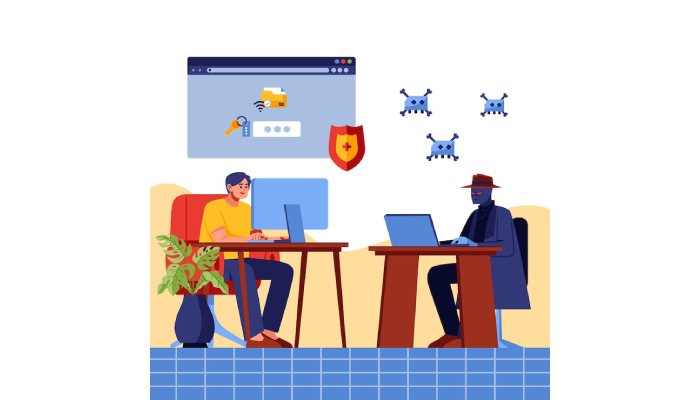
Cheating on remote proctoring tests may seem tempting, but it’s crucial to understand the serious risks involved. A recent research report outlines various methods that students might consider, from using unauthorized materials to accessing online resources during the exam. However, institutions have implemented advanced technology and strict monitoring practices to prevent this behavior. Students must focus on honestly preparing for their tests instead of risking their futures with dishonest shortcuts. Best practices like studying actively and understanding test formats can help boost confidence and performance. Remember, integrity is key in academic success, so embrace hard work over temptation!
Understanding Remote Proctoring Tests
Remote proctoring test are a modern solution that allows students to take exams from anywhere while maintaining the integrity of the testing process. The main purpose of remote proctoring is to ensure that the exam is conducted fairly and securely, even when students are not physically present in a controlled environment. Technology plays a vital role in this process, utilizing various tools like webcams and specialized software to monitor test-takers in real-time.
There are two main types of remote proctoring: live and recorded. Live proctoring involves a human proctor monitoring the exam as it happens, while recorded proctoring captures video and audio of the test-taker for later review. This flexibility can be beneficial for students who may have scheduling conflicts or prefer a more comfortable testing environment.
Artificial intelligence also enhances the monitoring process by analyzing behavior patterns and flagging suspicious activity. This technology can quickly identify anomalies, such as unusual eye movement or multiple faces in the frame, which helps maintain test integrity.
For institutions, remote proctoring offers significant advantages, including reduced costs associated with in-person supervision and the ability to reach a broader audience of students. Students, too, benefit from this approach, as it allows for more accessible testing options and the convenience of taking exams from home. However, challenges exist, such as technical issues, privacy concerns, and the potential for students to attempt to cheat despite the safeguards in place.
When comparing remote proctoring to traditional methods, the differences are striking. Traditional testing often requires physical presence, which can limit flexibility and accessibility. As technology continues to advance, the future of remote proctoring looks promising, with trends pointing toward even more sophisticated monitoring tools and improved user experiences.
Common Methods of Cheating
In the world of remote proctoring tests, some students might think they’re clever by using unauthorized devices like smartphones or smartwatches to sneak a peek at answers. Others may take it a step further, accessing online resources or collaborating with friends through chat apps, all while pretending to focus on the exam. Some even employ software designed to bypass proctoring tools, creating an illusion of integrity while engaging in dishonest practices.
Manipulating the testing environment can also play a significant role in cheating. For instance, students might adjust lighting or change their background to hide their actions from the proctoring camera. In more extreme cases, individuals may hire someone else to take the test for them, compromising the integrity of the assessment entirely.
Virtual machines can be another sneaky tactic, allowing students to disguise their activities, making it harder for proctors to detect any foul play. Some may resort to using pre-prepared notes or materials, carefully hidden from view, while others exploit technical glitches in the proctoring software to gain an unfair advantage.
Lastly, students can take advantage of weaknesses in proctoring software, finding loopholes that make it easier to cheat without getting caught. These methods can seem enticing, but the risks associated with cheating far outweigh the potential rewards.
Risks of Cheating on Remote Tests
Cheating on remote proctoring tests can have serious consequences that extend far beyond just a failing grade. Academic dishonesty can lead to immediate repercussions like failing courses, which could set a student back academically. But the damage doesn’t stop there; it can tarnish a student’s reputation for years to come, making it difficult to gain acceptance into programs or to qualify for scholarships.
There are legal implications as well, particularly if the cheating involves unauthorized assistance or materials. Students may find themselves facing disciplinary action from their institutions, which could result in expulsion in severe cases. This not only affects their current educational path but also their future opportunities.
Additionally, the stress and anxiety that accompany the fear of getting caught can be overwhelming. This pressure can detract from a student’s ability to learn effectively, impacting their knowledge retention and overall academic performance.
The ripple effects of dishonesty also extend to the institutions themselves. Cheating erodes the trust between students and educators, fostering a culture of dishonesty that can compromise the integrity of the entire academic community. As institutions face scandals related to cheating, their reputations can suffer, which may deter prospective students or partners.
Lastly, living with the weight of dishonesty can take a psychological toll on students, leading to feelings of guilt and shame that can affect their mental health. In a world where integrity is paramount, the risks of cheating far outweigh any fleeting benefits.
How Institutions Prevent Cheating?
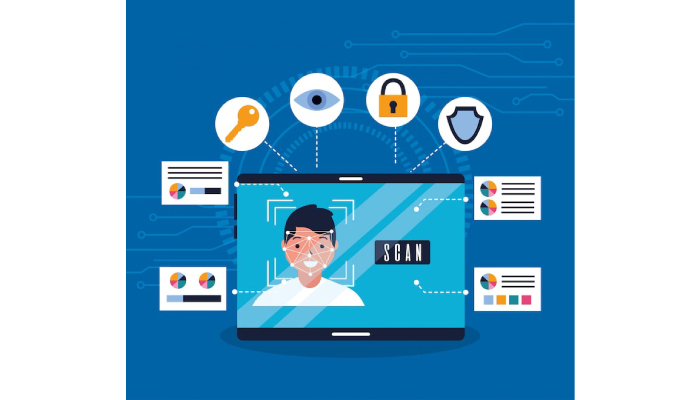
Institutions are stepping up their game to combat cheating in remote proctoring tests with a range of innovative strategies. One key approach is the implementation of advanced proctoring software, which can monitor test-takers in real-time, capturing any suspicious activity. Additionally, identity verification techniques like requiring a photo ID or even biometric scans help ensure that the person taking the test is indeed the student enrolled in the course.
Strict testing protocols and guidelines are put in place to create a controlled environment. Regular audits of testing procedures allow institutions to identify and rectify any weaknesses in their systems. Furthermore, training staff to recognize suspicious behavior is crucial, as it ensures that any potential cheating can be addressed promptly.
Monitoring test-takers’ computer screens is another effective method, allowing proctors to detect unauthorized resources or interactions. Plagiarism detection tools are utilized to ensure academic integrity, particularly for written assessments. Institutions also engage in student awareness programs about the importance of integrity, reinforcing a culture of honesty and accountability.
To support students academically, many institutions offer resources such as tutoring or study guides, which can help minimize the temptation to cheat. By fostering an environment where students feel supported and encouraged to do their best, institutions can significantly reduce the incidence of cheating.
- Implementing advanced proctoring software
- Using identity verification techniques (photo ID, biometrics)
- Creating strict testing protocols and guidelines
- Conducting regular audits of testing procedures
- Training staff to identify suspicious behavior
- Monitoring test-taker’s computer screens
- Utilizing plagiarism detection tools
- Engaging in student awareness programs about integrity
- Offering resources for academic support
- Encouraging a culture of honesty and accountability
Best Practices for Students Taking Tests
Taking a remote proctoring test can be a challenge, but there are effective strategies to ensure success while maintaining integrity. Start by preparing thoroughly, as being well-prepared can significantly reduce the temptation to cheat. Familiarize yourself with the testing software ahead of time to navigate it smoothly during the exam. Setting up a quiet and distraction-free environment is crucial; find a space where interruptions are minimal, allowing you to focus entirely on the test.
Following all instructions carefully is essential for a seamless experience. Ensure that you understand the rules and guidelines before the test begins. Use technology responsibly and ethically, recognizing that shortcuts might lead to serious consequences. If you feel overwhelmed, taking short breaks can help manage stress and keep your mind sharp.
Time management is another key aspect: allocate your time wisely to each section of the test, ensuring that you have enough time to complete everything. If you find yourself struggling with certain topics, don’t hesitate to seek help from educators who can provide guidance and support. Practicing good test-taking strategies, such as reading questions carefully and reviewing your answers, can also make a significant difference. Lastly, reflect on your personal ethics and integrity; remember, maintaining honesty during your test is not just about avoiding penalties, but about building trust in yourself and your abilities.
What to Do If You Suspect Cheating?
If you suspect cheating during a remote proctoring test, it’s crucial to act thoughtfully and responsibly. Start by gathering evidence of any suspicious behavior you notice, like unusual movements or unclear actions on the video feed. Document any irregularities, whether it’s a student looking away from the screen too often or having unauthorized materials nearby. Once you have your observations, report your concerns to the appropriate authorities at your institution, like the academic integrity office or your instructor.
When discussing your suspicions, maintain confidentiality to protect everyone involved. Understand your institution’s policies on academic dishonesty, as knowing the rules can guide your actions and help you articulate your concerns effectively. Encouraging a culture of honesty among your peers can also make a significant difference, as shared values can deter dishonest behavior.
If you need guidance or support, don’t hesitate to reach out to faculty members who can provide clarity on the situation. Remember that reporting is not just about pointing fingers; it’s about maintaining integrity in the academic environment. Stay informed on how your institution responds to cheating cases, as this knowledge can empower you to take appropriate action.