
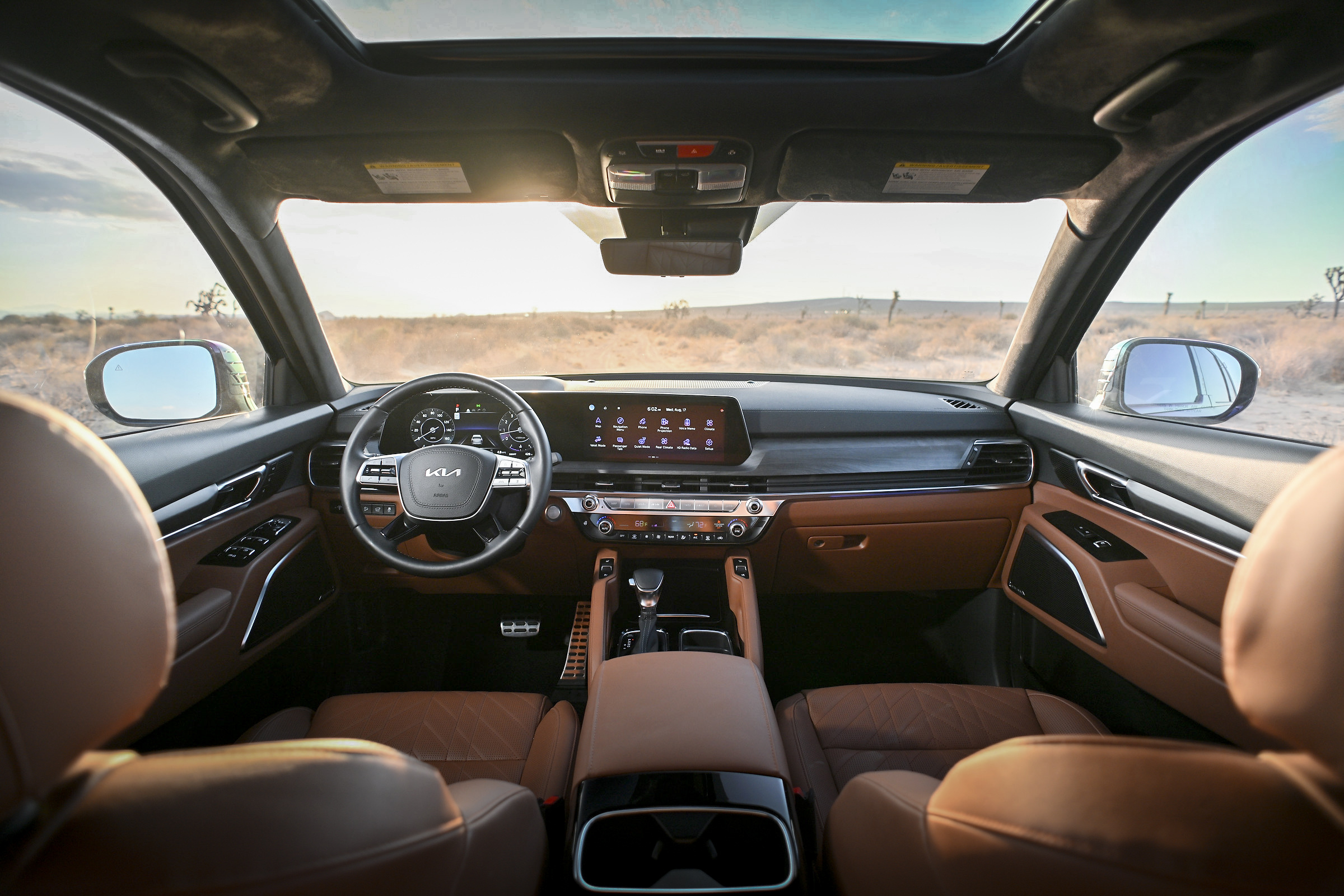
Long hours on the highway can be exhausting, especially when road and wind noise constantly compete with your music, podcasts, or conversation. Choosing a quiet car for highway commuting can transform daily travel into a more comfortable and relaxing experience. Modern vehicles are engineered with sound insulation, aerodynamic designs, and noise-reducing technologies, making it easier than ever to find a car that provides peace and tranquility during your commute.
This guide explores the quietest cars for highway driving, essential features for a serene cabin, and tips for maximizing noise reduction.
Why Noise Reduction Matters for Highway Commuting
Highway noise can come from several sources:
-
Tires on asphalt – Rough surfaces and large tires can increase road noise.
-
Wind resistance – Poor aerodynamics or leaks around windows and doors allow wind to enter the cabin.
-
Engine and transmission – Powerful engines or manual transmissions can produce additional sound at high speeds.
-
External traffic – Passing trucks, motorcycles, or crosswinds can amplify perceived noise.
Reducing noise enhances comfort, lowers stress, and allows for safer and more enjoyable driving over long distances.
Key Features of Quiet Highway Cars
-
Acoustic Glass
Laminated or acoustic glass in windows reduces wind and traffic noise significantly. -
Soundproofing and Insulation
High-quality insulation in the doors, roof, and floor absorbs vibrations and prevents sound intrusion. -
Aerodynamic Design
Sleek body shapes minimize wind resistance and reduce turbulent airflow around mirrors and roof rails. -
Engine and Exhaust Engineering
Electric and hybrid engines tend to be quieter than traditional combustion engines, while well-tuned exhaust systems reduce cabin intrusion. -
Tire Choice
Low-noise tires or touring tires with soft rubber compounds reduce road noise on highways.
Top Quiet Cars for Highway Commuting
1. Lexus ES
The Lexus ES is renowned for its quiet cabin, with extensive sound insulation and vibration-reducing technologies, making it ideal for long highway drives.
2. Mercedes-Benz E-Class
E-Class sedans combine luxury, acoustic glass, and advanced chassis insulation to create a whisper-quiet ride at high speeds.
3. Tesla Model 3
Electric powertrain and aerodynamic design make the Tesla Model 3 exceptionally quiet, with minimal engine noise and a serene cabin environment.
4. Audi A6
The A6 features premium soundproofing, acoustic laminated windows, and adaptive noise-cancellation systems, enhancing the quiet driving experience.
5. Toyota Avalon
Avalon offers excellent sound insulation and a smooth ride, delivering a comfortable and quiet commute on highways without luxury pricing.
Comparison Table: Quietest Cars for Highway Commuting
| Car Model | Engine Type | Key Noise-Reducing Features | Ideal For | Price Range |
|---|---|---|---|---|
| Lexus ES | Gas/Hybrid | Acoustic glass, insulated cabin | Luxury & comfort | Premium |
| Mercedes-Benz E-Class | Gas/Diesel/Hybrid | Acoustic windows, vibration control | Long highway trips | Luxury |
| Tesla Model 3 | Electric | Electric motor, aerodynamic design | Eco-friendly & quiet | Mid–Premium |
| Audi A6 | Gas/Hybrid | Noise-cancelling tech, laminated glass | Comfort & technology | Premium |
| Toyota Avalon | Gas | Sound insulation, smooth ride | Practical & quiet | Mid-range |
Tips for Enhancing Cabin Quietness
-
Seal Windows and Doors
Ensure all seals are intact to prevent wind and water leaks that amplify noise. -
Use Noise-Reducing Mats
Interior mats and trunk liners can absorb additional vibrations and reduce road noise. -
Choose Low-Noise Tires
Touring or eco-friendly tires minimize road hum without sacrificing grip. -
Regular Maintenance
Keep wheel bearings, suspension, and engine mounts in good condition to prevent rattles or vibrations. -
Consider Electric or Hybrid Vehicles
EVs reduce engine noise and are naturally quieter at highway speeds.
Frequently Asked Questions
Are electric cars quieter than gas-powered cars on highways?
Yes, electric vehicles produce minimal engine noise, which reduces overall cabin noise, though wind and tire noise still contribute.
Does luxury automatically mean quieter?
Luxury cars often include advanced soundproofing, but even mid-range vehicles with good insulation can provide a quiet ride.
Can tires make a significant difference in cabin noise?
Absolutely. Tire type, tread pattern, and rubber compound all affect road noise levels.
Are SUVs generally noisier than sedans?
SUVs may experience more wind resistance and tire noise due to larger size, but modern insulation techniques reduce this difference.
Can I retrofit my car to make it quieter?
Adding sound-deadening materials, acoustic glass, or noise-reducing mats can improve cabin quietness, though factory-engineered cars typically perform best.
Conclusion
A quiet car for highway commuting enhances comfort, reduces stress, and creates a more enjoyable driving experience. Vehicles like the Lexus ES, Mercedes-Benz E-Class, and Tesla Model 3 offer excellent sound insulation, aerodynamic design, and advanced noise-reducing features that make long-distance travel peaceful. Even practical options like the Toyota Avalon deliver a serene cabin without breaking the budget. When planning your next commute, consider quietness alongside reliability, just as drivers prioritize safety in Reliable Cars for Winter and Snowy Conditions. By combining the right vehicle, tires, and maintenance habits, every highway drive can feel calm and effortless.