
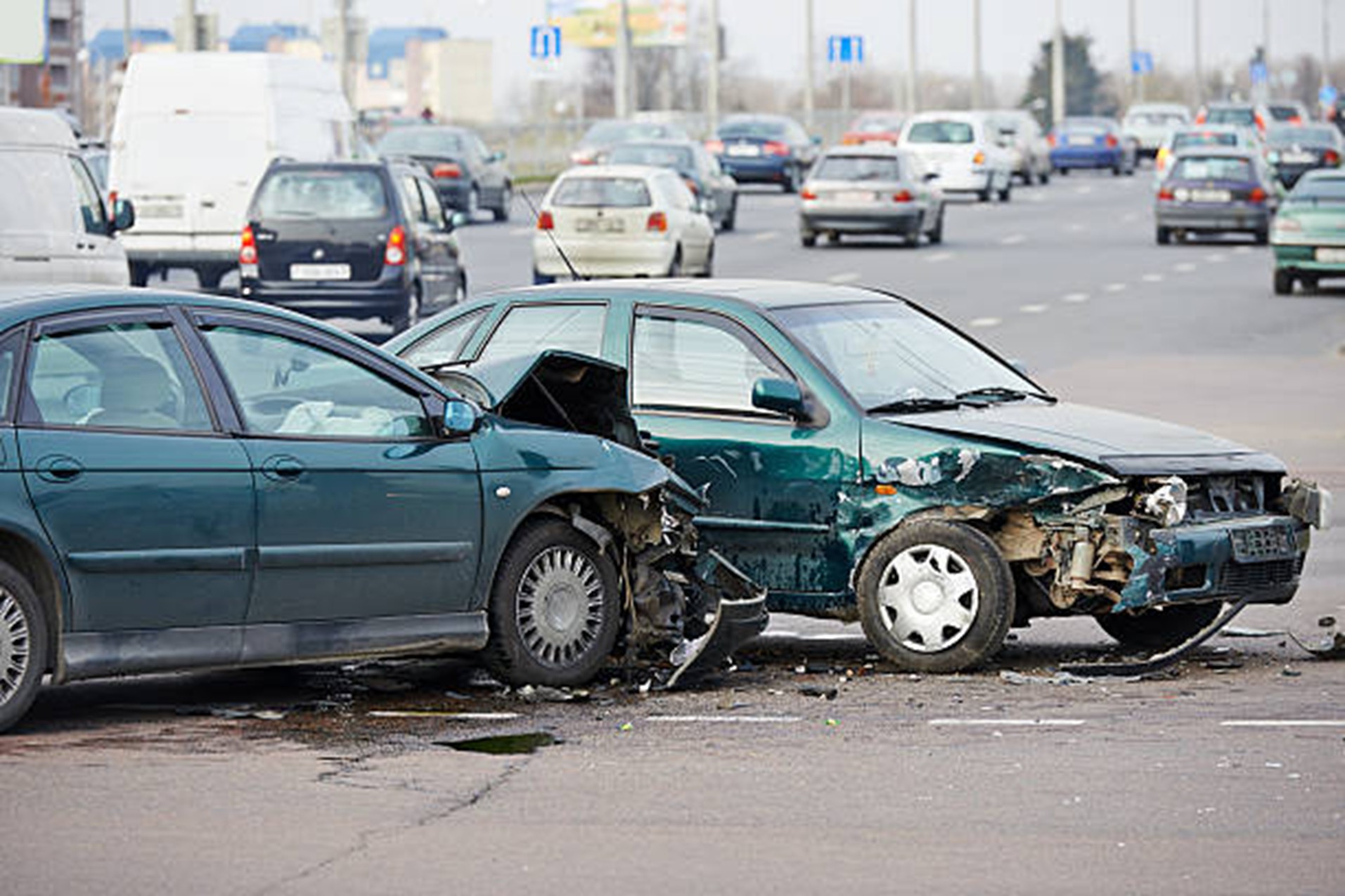
Intersections are some of the most complex and risk-filled points on U.S. roads. Unlike straight stretches of highway, intersections require drivers to make fast decisions—stop, yield, turn, or merge—often while judging the speed and intentions of other drivers coming from multiple directions. Because of this, intersection crashes account for a significant percentage of serious injuries across the United States, particularly in busy urban centers, suburban business districts, and rural crossroads with limited visibility.
Often, after an intersection crash, several vehicles get damaged, and it also causes traffic delays. Understanding what causes these crashes, who is most at risk, and how they can be prevented helps drivers stay safer and more aware each time they approach an intersection.
Why Are Intersections Among the Most Dangerous Places on the U.S. Roads?
Intersections combine heavy traffic flow with conflicting movements—left turns, right turns, straight travel, and pedestrian crossings all happening at once. In the U.S., intersections become even more complex because road systems vary from city to city. Urban intersections may use dedicated turn lanes, bike lanes, and pedestrian signals, while small towns may rely solely on stop signs.
Some reasons intersections become dangerous include:
- Multiple decision points at once — Drivers must assess cars, pedestrians, and signals simultaneously.
- High unpredictability — Different states have different turning rules, such as right-on-red allowances, causing inconsistency among drivers.
- Mixed road users — Cyclists, electric scooters, trucks, and pedestrians often share the space.
- Traffic congestion — Rush-hour pressure often leads to risky choices like “beating the light.”
What Are the Most Common Types of Intersection Crashes?
Intersection collisions in the U.S. fall into several recognizable patterns:
1. Left-Turn Crashes
One of the leading intersection crash types. A driver turning left misjudges the speed of oncoming traffic or fails to see a vehicle in the opposite lane.
2. Red-Light Violations
America’s busiest intersections often use red-light cameras because drivers frequently try to rush through yellow signals. When a vehicle enters after the light turns red, the chance of a high-impact, high-speed collision increases dramatically.
3. T-Bone (Side-Impact) Crashes
These occur when one vehicle hits the side of another, usually because one driver failed to yield the right-of-way. T-bone accidents are especially dangerous for occupants sitting on the impacted side.
4. Rear-End Collisions at Stop Lights
Common in high-traffic zones where drivers are distracted or following too closely. Sudden braking at a changing light often triggers multiple-car chain reactions.
5. Pedestrian and Cyclist Collisions
U.S. intersections with poor visibility, lack of crosswalk signals, or high-speed turning lanes pose major hazards for walkers and cyclists.
Which Factors Most Commonly Contribute to Intersection Crashes?
Intersection crashes don’t happen randomly—most have identifiable causes. Some of the top contributors in the U.S. include:
- Driver distraction (phones, GPS, infotainment systems)
- Speeding or aggressive driving
- Visibility issues, especially at rural intersections lacking proper signage or lighting
- Poor left-turn protections, such as intersections without a protected green arrow
- Weather conditions like rainfall, snow, or fog
- Failure to yield the right-of-way
- Impaired driving, particularly at night or on weekends
Urban areas also see higher involvement of rideshare drivers (Uber, Lyft) who may rely heavily on navigation apps and sudden lane changes.
Who Is Most at Risk of an Intersection Crash?
Intersection crash data across the U.S. shows that risk varies among different groups:
- Young drivers (16–24 years) — more likely to misjudge gaps or speed.
- Older adults (65+) — more vulnerable to injury and slower to react to sudden changes.
- Cyclists and pedestrians — especially where crossing signals are limited or traffic speeds are high.
- Motorcyclists — often missed by turning vehicles because of their smaller size.
Urban states like California, Texas, Florida, and New York report higher intersection-related injuries due to dense traffic and diverse road users.
How Can Drivers Reduce Their Risk at Intersections?
Avoiding intersection crashes requires a combination of caution, awareness, and defensive driving:
- Slow down as you approach—even when the light is green.
- Avoid rushing through yellow lights—most severe crashes occur in the last seconds of a changing signal.
- Use the “pause and scan” rule—after your light turns green, wait one second and check cross-traffic.
- Make deliberate, predictable movements—signal early and avoid sudden lane changes.
- Double-check for pedestrians and cyclists—especially during right and left turns.
- Limit distractions—put your phone on silent while driving.
- Never assume other drivers will obey their signals—anticipate mistakes.
Why Are Improvements in Intersection Design Important?
U.S. cities are increasingly redesigning intersections to reduce crashes. Some improvements include:
- Dedicated left-turn arrows and protected lanes
- Roundabouts, which lower crash severity by reducing speeds
- Improved pedestrian crossings with countdown timers
- Raised crosswalks to slow turning vehicles
- Better signage and road markings
- Traffic-calming features like curb extensions and narrower lanes
Well-designed intersections can reduce conflict points, minimize confusion, and promote safer movement for everyone.
Key Takeaways
- Intersections are among the most dangerous points on U.S. roadways due to conflicting traffic movements and driver decision-making demands.
- The most common intersection crash types include left-turn collisions, red-light violations, T-bone crashes, and pedestrian-involved accidents.
- Distractions, speeding, poor visibility, and failure to yield are leading contributors to intersection crashes.
- Young drivers, older adults, motorcyclists, pedestrians, and cyclists are at higher risk.
- Safer driving habits and improved intersection design can significantly reduce crash rates.