
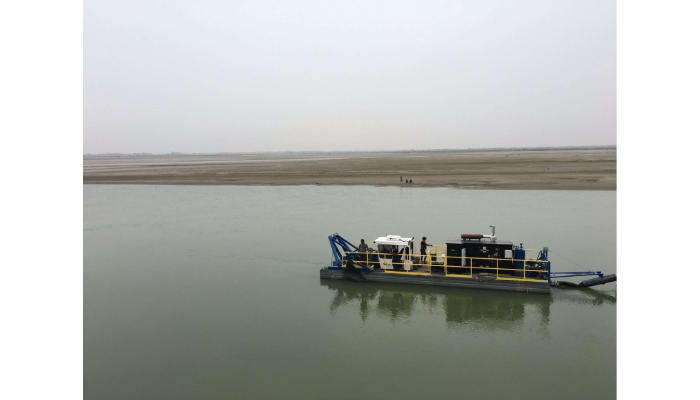
When considering river dredging equipment, various costs can catch you off guard. Significant cost drivers include engineering and permitting fees, which can vary dramatically based on the project’s complexity. Mobilization costs are also crucial as they climb for longer projects. The type and depth of sediment significantly impact needed equipment and fuel expenses; hard materials lead to higher operational costs. Daily operating expenses range widely, often from $1,500 to $20,000 based on the dredger’s type. Environmental regulations further complicate budgets due to compliance requirements. Overall, understanding these factors is key for successful budgeting in any dredging project!
1. Cost Drivers of Dredging Projects
When it comes to river dredging equipment, understanding the cost drivers is essential for accurate budgeting and project planning. Engineering and permitting costs vary significantly based on location and local regulations, making thorough research a necessity. Proper planning here can save you from unexpected expenses down the line. Mobilization costs, which cover transporting equipment to the site, can be quite hefty. However, strategic planning and efficient logistics can help minimize these expenses, especially for long-term projects.
The depth and type of sediment play a crucial role in determining costs. Thicker and more challenging materials require specialized equipment, which translates to higher fuel and operational costs. Daily operating costs can range dramatically, sometimes between $1,500 to $20,000, depending on the dredging method and crew efficiency. Skilled labor can significantly influence these costs, underscoring the importance of having a capable team in place.
Transport distance is another factor that can elevate expenses. Moving dredged materials over long distances adds to costs and can extend project timelines, impacting overall budgets. Additionally, disposal methods must align with local regulations, as non-compliance can lead to fines and project delays. Understanding these regulations upfront is crucial for avoiding pitfalls.
Water management strategies are also vital. Implementing sediment control measures can help reduce delays and costs, particularly when dealing with contaminated materials. Lastly, weather conditions can disrupt timelines, making it wise to have contingency plans in place. Regular cost assessments during project management can help spot potential savings early on, allowing for better financial control throughout the dredging process.
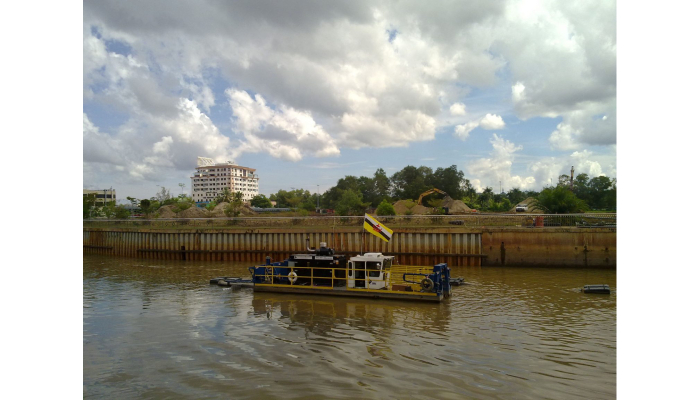
2. Equipment Costs Breakdown
When diving into the costs of river dredging equipment, understanding the different types is crucial. Small hand-operated dredges, typically priced around $15,000, serve as an excellent entry point for localized projects. These are perfect for those starting out or tackling small tasks, and they can often be rented for short-term needs, saving on upfront costs. Moving up the scale, small dredge barges range from $100,000 to $150,000, striking a balance between capacity and affordability for mid-range projects, making them a popular choice for many contractors.
For those needing versatility, portable dredges come into play, with costs between $500,000 and $2,000,000. Their adaptability to various conditions can justify the higher initial investment, so thorough budgeting is essential. Larger dredges, often equipped with advanced technology, can exceed $2 million, with specialized models reaching tens of millions. While these larger machines can boost operational efficiency, they also require careful financial planning.
When purchasing equipment, considering resale value can significantly offset the initial investment, making it a smart move for budget-conscious buyers. Financing options may also be available for larger dredges, which can ease the burden of upfront costs. For those looking to save, used equipment can be a cost-effective alternative, but it’s vital to evaluate the condition and remaining lifespan before making a purchase.
Don’t forget about equipment insurance, which is essential for covering potential damages. While this adds to overall costs, it provides peace of mind. Regular market analysis can help you identify the best times to buy or rent equipment, ensuring you make the most cost-effective decision for your project.
3. Understanding Daily Operating Costs
Daily operating costs in river dredging can significantly impact your budget, and understanding these costs is essential for effective project management. Fuel consumption is one of the major factors; investing in fuel-efficient technology can lead to substantial savings over time, especially for larger dredgers that run for extended hours. Additionally, insurance costs can vary widely based on the nature of the project, making it wise to shop around for the best rates to protect against potential accidents and damages.
Maintenance plays a crucial role as well, requiring regular checks and repairs to avoid costly breakdowns that could delay projects. Labor costs must be factored in, including the expense of training staff on new technologies or safety protocols. Unexpected repairs can crop up, so having a contingency budget is a smart move to manage these unforeseen expenses.
Monitoring operational efficiency is key to identifying cost reduction opportunities, like optimizing crew shifts to improve productivity. Seasonal changes can affect both operational efficiency and overall costs, so planning for these variations is vital. Utilizing technology that tracks fuel consumption and equipment performance can provide real-time data, enabling better decision-making and further cost savings. Finally, collaborating with suppliers to secure better rates on fuel and equipment parts can lead to overall cost reductions, making the project more financially viable.
- Fuel Consumption is a major factor; investing in fuel-efficient technology can lead to substantial savings over time.
- Insurance Costs can vary based on the project’s nature, so it’s wise to shop around for the best rates.
- Maintenance should include regular checks and repairs to avoid costly breakdowns, which can delay projects.
- Labor Costs need to be factored in, including training for new technologies or safety protocols.
- Unexpected repairs can arise; having a contingency budget can help manage these unforeseen expenses.
- Monitoring operational efficiency can identify areas for cost reduction, such as optimizing crew shifts.
- Seasonal changes can affect operational efficiency and costs; planning for these variations is crucial.
- Technology that tracks fuel consumption and equipment performance can provide real-time data for better decision-making.
- Collaboration with suppliers for better rates on fuel and equipment parts can lead to overall cost savings.
4. Renting vs. Purchasing Equipment
When it comes to river dredging equipment, the choice between renting and purchasing can significantly impact your project’s budget and flexibility. Renting offers the advantage of flexibility, making it a fantastic option for short-term projects. Without the commitment of ownership, you can adapt your equipment needs to fit your project’s timeline. For example, if you’re tackling a temporary dredging job, renting lets you avoid high upfront costs and ongoing expenses associated with ownership, such as maintenance and storage. Moreover, rental agreements often include maintenance, which simplifies budgeting and reduces unexpected costs.
On the other hand, purchasing equipment may prove more cost-effective for long-term projects. If you foresee a consistent need for dredging, owning the equipment can save you money over time, particularly when you factor in the total cost of ownership, including operational costs and potential downtime. Additionally, owning your equipment means you have complete control over its use and maintenance.
Another key point is access to the latest technology. Renting allows you to use the most advanced dredging equipment without the heavy costs of purchasing new gear. This means you can take advantage of improved efficiency and productivity, which can ultimately lead to savings. If you choose to rent, be sure to evaluate the total cost of rentals versus purchases over the equipment’s expected lifespan, as this can reveal significant financial insights.
Finally, having a reliable rental partner can ensure you receive quality equipment and service, which is crucial for keeping your project on track. Negotiating rental terms can also lead to substantial savings, so it pays to do some research and explore your options.
5. Factors Influencing Dredging Costs
Several factors can significantly influence the costs associated with river dredging projects. First, site conditions play a crucial role. If the terrain is rugged or difficult to access, it may require specialized equipment or methods, thereby increasing costs. Environmental regulations are another key aspect. While compliance can raise initial expenses, it’s vital for sustainable practices and avoiding penalties.
Market demand is also a game changer. When demand for dredging services spikes, prices can rise accordingly. Keeping an eye on market trends can help in budgeting effectively. Additionally, advancements in technology can enhance operational efficiency, leading to potential cost savings. By staying updated with the latest innovations, projects can avoid unnecessary expenses.
Local labor costs vary significantly, impacting overall budgets. Understanding the regional market can help in making informed hiring decisions. Moreover, supply chain issues, such as equipment availability, can lead to delays and increased costs, making proactive planning essential.
Public perception and community engagement are often overlooked but can affect project timelines and costs. Ensuring transparency and addressing community concerns upfront can mitigate potential issues down the line. Lastly, the scale of the project matters. Larger dredging operations may benefit from economies of scale but can also carry higher risks, which need to be carefully managed. Competitive bidding processes can help keep costs in check, ensuring you secure the best price for your project.
6. Total Cost of Ownership Explained
Total Cost of Ownership (TCO) is a crucial concept for anyone considering river dredging equipment. It goes beyond just the upfront purchase price; it encompasses operational costs, maintenance expenses, and potential downtime, all of which can have a significant impact on your overall budget. For instance, if you purchase a dredge for $1 million but neglect to factor in annual maintenance costs, insurance, and possible repairs, you may be in for a rude awakening when your equipment breaks down unexpectedly.
Calculating depreciation is another key element within TCO. Understanding how your equipment loses value over time helps you make informed financial decisions. This is crucial for budgeting and can guide your choices regarding equipment upgrades or replacements. Additionally, unexpected repairs are part of the equation, so it’s wise to set aside a buffer in your budget to handle these unforeseen costs.
Don’t forget about other expenses like insurance, licensing, and compliance with regulations, which are often overlooked but are essential for providing a full picture of your financial commitment. Regular maintenance schedules can also extend the lifespan of your equipment, further reducing overall ownership costs.
When considering the long-term costs, the resale value of your dredging equipment is an important factor. Some models retain their value better than others, which can significantly affect your TCO. Investing in operator training can also pay off, as better-trained staff can improve efficiency and reduce operational costs, ultimately impacting your total ownership expenses.
In making your purchasing decisions, comparing the TCO for various equipment options is vital. This analysis will help you understand which models offer the best long-term value. Moreover, entering into long-term contracts with suppliers and maintenance services can provide financial stability, allowing you to manage costs more effectively.
7. Best Practices for Cost Management
Managing costs in river dredging projects is crucial for success. Choosing the right dredger involves aligning equipment with specific project needs, which can prevent unnecessary expenses and delays. By understanding what you really need, you avoid overspending on equipment that may be too powerful or advanced for the task at hand.
Implementing technology for project management, such as specialized software, streamlines processes and helps improve cost tracking. This leads to better financial control and can quickly identify areas where budgets are being exceeded. Coupled with this, negotiating contracts with suppliers can secure better terms, resulting in overall project savings. Don’t hesitate to discuss terms that benefit both parties, as a good deal can make a significant difference in your budget.
Regular audits of project budgets are essential. They help identify areas where costs can be trimmed or better managed, ensuring that you are on track and not veering away from your financial goals. Training staff on cost management practices fosters a culture of financial responsibility within the team, making everyone more aware of spending.
Using real-time data for decision-making is another effective strategy. It enables quick identification of unexpected costs, allowing teams to address issues before they escalate. Moreover, collaboration with stakeholders enhances transparency, contributing to better project outcomes that can ultimately reduce costs. Establishing a clear communication plan prevents misunderstandings that could lead to additional expenses.
Finally, setting clear financial goals for each project phase helps keep costs in check, ensuring accountability at every level. When everyone understands the financial targets and their roles in achieving them, the chances of exceeding budgets dramatically decrease.