

When installing a modern security door, you can expect an exciting blend of durability and safety. Security doors are often crafted from reinforced steel or sturdy wrought iron, providing a formidable barrier against intrusions. The installation process begins with preparation, gathering essential tools like drills and screws. Accurate measurements of your doorway ensure a perfect fit before placing the frame securely. Don’t forget to attach hinges and locks carefully while sealing any gaps to keep drafts out. Budget-wise, costs can range widely based on materials and additional features, but investing in security doors not only enhances safety but also boosts your home’s value significantly!
1. Overview of Security Doors
Security doors are your first line of defense against unwanted intrusions, crafted with robust materials and advanced locking systems to provide peace of mind for homeowners. Often made from reinforced steel or wrought iron, they are not only tough but also designed to deter burglars effectively. Many of these doors feature multi-point locking systems that secure the door at multiple points, making it significantly harder for intruders to gain access.
Beyond security, modern security door come with added benefits like impact-resistant glass and reinforced frames, which enhance both durability and safety. Homeowners can choose from a variety of styles, ensuring that their security door complements their home’s aesthetic. Some designs even incorporate decorative elements without sacrificing security, allowing you to maintain your home’s charm while boosting safety.
Moreover, these doors provide insulation benefits, helping to keep your home warmer in the winter and cooler in the summer, which can lead to energy savings. Available in numerous colors and finishes, security doors can fit seamlessly into any home style, whether you prefer a classic look or a more modern vibe. Most importantly, they meet stringent safety standards for durability and reliability, making them a smart investment for any homeowner looking to enhance their overall security.
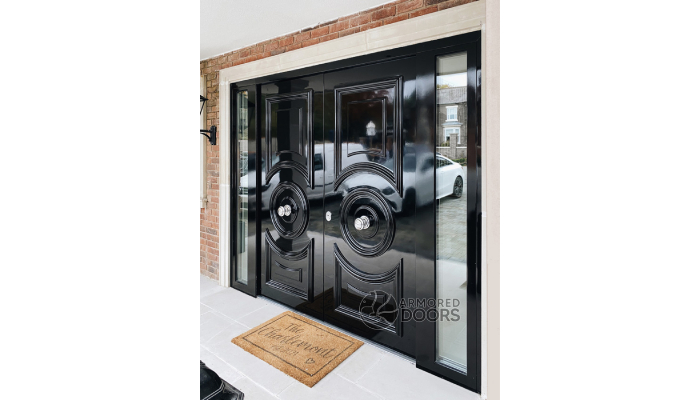
2. Step-by-Step Installation Process
Before diving into the installation, it’s crucial to thoroughly read the manufacturer’s instructions. Each door may have specific requirements, and understanding these will set you up for success. Having a helper is also a smart move, as some parts of the installation are much easier, and safer, when tackled by two people.
Start by carefully removing the existing door and frame. Take your time with this step to avoid damaging the surrounding wall, which could lead to extra repairs later. Once the old door is out, inspect the door frame for any damage or rot. If you find any issues, it’s best to repair them before moving forward with the new installation.
Next, use shims to adjust the door frame for a perfect fit. This is essential to ensure that the frame is level and plumb, which makes the door function smoothly. Once everything is lined up, secure the door frame with screws, making sure to drive them into the studs for maximum stability.
Now comes the exciting part: hanging the door! Position it on the hinges and make sure it swings freely without any obstructions. After hanging the door, test the lock and handle mechanism to ensure everything works as it should.
To finish up, apply caulk around the edges of the frame. This simple step helps prevent moisture and air leaks, keeping your home comfortable and energy-efficient. Finally, check the alignment of the door one last time to ensure it closes securely. A well-installed security door not only enhances your home’s safety but also adds a touch of modern elegance.
3. DIY vs. Professional Installation
Deciding between DIY installation and hiring a professional can significantly affect your experience and outcome. A DIY installation can be incredibly rewarding, allowing you to take pride in your work and save on labor costs. If you’re comfortable with tools and measurements, tackling the installation yourself might be feasible. However, be prepared for a time commitment; learning as you go can stretch the project timeline. On the other hand, professional installers bring expertise that ensures your security door is fitted correctly and securely. They have access to better tools and materials, which often results in a more polished finish. If you’re considering a custom door or a complex installation, hiring a professional can help you avoid costly mistakes. Additionally, professional services typically come with warranties, providing peace of mind for your investment. Ultimately, it’s essential to evaluate your skill level and the value of your time; sometimes, spending a little more for professional help is worth it, especially when safety is a concern.
4. Cost Breakdown for Security Doors
The cost of security doors can vary significantly, making it essential to understand what you’re investing in. For basic models made from steel, prices typically start around $300, giving you a solid layer of protection. If you’re looking for more advanced features or stylish designs, premium options can soar to over $4,000. Installation costs add another layer to your budget, ranging from $200 to $650, depending on local labor rates and the complexity of the installation. In urban areas, you may find higher costs due to increased demand for skilled labor and materials. Additionally, opting for a standard size door can save you money compared to custom sizes, which tend to be pricier. Don’t forget to factor in extra expenses, like door frames, custom hardware, and installation supplies, which can all add up. Researching various brands can also lead you to better value for similar features. Keep an eye out for seasonal sales or promotions, as these can significantly reduce your overall costs, making your investment in home security even more worthwhile.
5. Essential Installation Tips
Installing a modern security door can be a rewarding project, but it’s essential to get it right. Always double-check your measurements before cutting or drilling to avoid costly mistakes. Using quality hardware is crucial, as it ensures a secure and durable installation that stands the test of time. Take your time during the process; rushing can lead to errors that might compromise the door’s effectiveness. If the door frame isn’t perfectly aligned, consider using wood shims to adjust it for a snug fit, enhancing both security and aesthetics. Keeping your work area clear of debris and distractions is important for safety, allowing you to focus entirely on the task at hand. As you remove hardware from the old door, label each component to simplify reinstallation later. A power drill with a screwdriver attachment can save you time when securing screws, making the process smoother. Don’t forget to review local building codes to ensure your installation meets safety standards. If you’re dealing with heavy doors, using a door jack or support to handle the weight safely is a smart move. Finally, after everything is installed, check for any gaps and add weather stripping if needed to improve insulation and energy efficiency.
- Always double-check your measurements before cutting or drilling to avoid errors.
- Use quality hardware to ensure a secure and durable installation.
- Take your time during the installation process to avoid mistakes and ensure quality.
- Consider using wood shims to adjust the door frame for a snug fit.
- Keep the work area clear of debris and distractions for safety.
- Label all hardware components during removal for easier reinstallation.
- Utilize a power drill with a screwdriver attachment to save time on securing screws.
- Review local building codes to ensure compliance with safety standards.
- If working with heavy doors, use a door jack or support to handle the weight safely.
- After installation, check for any gaps and add weather stripping if needed.
6. Maintenance for Longevity
To keep your modern security door functioning at its best, maintenance is key. Start by regularly checking the locks and hinges for any signs of wear or rust, as these can compromise security. Applying lubricant to the moving parts ensures smooth operation, preventing frustration and potential damage over time. Don’t forget to inspect the door frame and sealant for gaps or damage, which could create vulnerabilities for intrusions. Cleaning the door surface with mild soap and water will help maintain its appearance and prolong its life. For wooden doors, periodic repainting or sealing is essential to protect against weather damage, while metal doors benefit from a protective coating to prevent corrosion. It’s also important to ensure that the door closes properly, as misalignment can strain the hinges and locking mechanism. Keeping the area around the door clear from obstructions promotes airflow and prevents moisture buildup, which can lead to deterioration. Regularly testing the security features is crucial to ensure everything functions correctly, and scheduling professional inspections is wise if you notice any signs of physical damage or wear. With these simple maintenance tips, your security door will stand strong and provide peace of mind for years to come.
7. Value Addition of Security Doors
Installing a security door is not just about enhancing protection; it also significantly boosts your home’s value. Homes equipped with security doors often see an increase in market value due to the added safety features, making them more appealing to potential buyers. Many buyers are willing to pay a premium for properties that prioritize security, leading to quicker sales and less time on the market.
Moreover, insurance companies often recognize the investment in security by offering discounts to homeowners with security doors. This can lead to reduced insurance premiums, thus lowering your overall costs. A well-installed security door can not only deter potential burglars but also serve as a visible deterrent, enhancing the safety of the entire neighborhood.
In addition to safety, security doors can improve your home’s curb appeal, adding a touch of elegance and style to your entryway. This aesthetic boost can play a vital role in attracting buyers or tenants, often resulting in higher rental prices for properties with added security features. Furthermore, many modern security doors are designed to be energy-efficient, which can lower your utility bills over time.
Ultimately, investing in security doors is a strategic decision that offers long-term protection for your home while providing peace of mind. The benefits extend beyond mere safety, contributing to homeowner satisfaction and a sense of security that is invaluable.
8. Frequently Asked Questions
When considering a security door, you might have various questions that need clear answers. For starters, the best materials for security doors are steel and wrought iron, as they offer impressive strength and durability. Many manufacturers provide customization options, so you can choose styles and finishes that match your home’s aesthetic. To ensure proper installation, it’s crucial to follow the manufacturer’s instructions and measure accurately, this can save a lot of hassle later on. If your door frame is damaged, it’s essential to repair or replace it before installing a new security door to ensure a snug fit.
Maintenance is generally straightforward; routine checks and cleaning will keep your door functioning well. Yes, you can paint security doors, but it’s important to use paint suitable for the material to avoid peeling or chipping. Most modern security doors are designed to be weatherproof, featuring robust designs that withstand the elements. With proper care, these doors can last many years, offering peace of mind.
When looking for a locking system, consider options like multi-point locks and high-quality deadbolts for enhanced security. Lastly, it’s wise to check for safety certifications from recognized organizations to ensure that your door meets industry standards. These aspects are crucial for anyone looking to boost their home security.