
Starting your custom home design project in Florida can be an exciting journey! It all begins with understanding the land and zoning regulations, as not every parcel is suitable for building. Be aware of the type of zoning, like residential, agricultural, or mixed-use, and verify it with local officials. Once you have a clear picture of where you can build, clarify your vision by assessing your current living situation and future needs. Next, select a builder experienced in Florida’s specific challenges. Engaging in a preliminary consultation helps set realistic budget expectations. Collaborate closely through design development to ensure that both aesthetics and functionality meet your goals!
1. Understanding the Land and Zoning in Florida
Starting your custom home design project in Florida custom home designs requires a solid understanding of land and zoning regulations, which can vary significantly from one area to another. First, it’s essential to research local zoning laws to determine what is permissible on your property. For example, properties labeled as Residential (R) may have specific density and setback regulations, while Agricultural (A) zones could impose restrictions on the number of structures you can build. Be aware that certain areas may also be classified as Conservation Areas, which can limit development options.
Additionally, you’ll want to identify any environmental constraints, such as wetlands, that could affect your building plans. Consulting with a local land use attorney can help clarify complex zoning laws and give you insight into potential challenges. Homeowners associations (HOAs) may impose their own set of rules, so checking their guidelines early in the process is wise.
Furthermore, understanding coastal construction regulations is crucial if your property is near the water, as these can dictate building height and materials. Investigate the availability of public utilities and local infrastructure, which can influence your design and construction plans. Finally, reviewing the local comprehensive plan can provide valuable information about future developments in your area, giving you a clearer picture of how your home will fit into the community. Knowledge is power when it comes to navigating Florida’s unique landscape for your custom home!
2. Clarifying Your Vision and Goals for Your Home
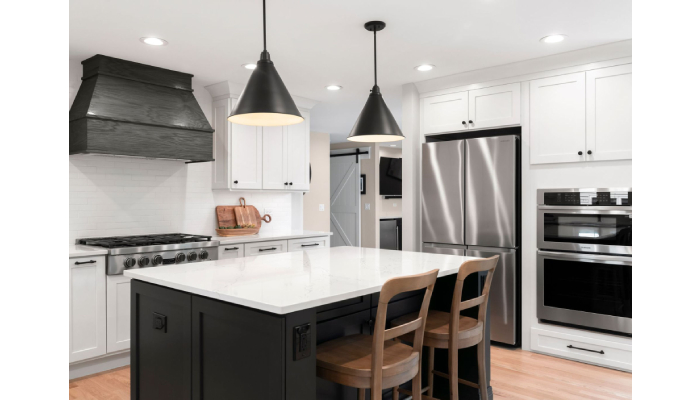
Starting your custom home design project in Florida is an exciting journey, and the first step is to clarify your vision and goals. Begin by creating a wish list of must-have features, such as a sparkling pool for those sunny afternoons or a spacious kitchen where family gatherings can flourish. Think about the layout that will best suit your family’s lifestyle: do you prefer an open-concept design that encourages connection, or a more traditional layout that provides defined spaces for everyone?
Visualizing the style of your future home is essential. Will it be sleek and modern, with clean lines and lots of glass, or will it embrace a traditional look with charming details? You might even consider a blend of styles that reflects your unique taste. As you dream, don’t forget to incorporate energy efficiency and sustainability into your design choices. Features like solar panels and energy-efficient appliances not only help the environment but can also save you money in the long run.
Think about how outdoor spaces will integrate with your indoor living areas. A seamless transition from your living room to a patio can create an inviting atmosphere for entertaining. Speaking of technology, consider how smart home systems can enhance your lifestyle, making day-to-day living more convenient and enjoyable. Maybe you envision a dedicated home office or a personal gym that supports your health and productivity.
Lastly, it’s important to balance your budget between luxury features and essential needs. Some upgrades might be worth the splurge, while others can be adjusted to fit your financial plan. Clarifying your vision and goals now will set a solid foundation for your custom home design project, ensuring that your new home will be a perfect reflection of your lifestyle.
- Create a wish list of must-have features for your home, such as a pool or a large kitchen.
- Think about the layout that best suits your family’s needs, like open-concept vs. traditional.
- Visualize the style of your future home, whether modern, traditional, or a mix.
- Consider energy efficiency and sustainability in your design choices.
- Reflect on how outdoor spaces will integrate with indoor living areas.
- Discuss the importance of technology in your home, such as smart home systems.
- Explore how the design can enhance your lifestyle, like a home office space or gym.
- Consider how different spaces can accommodate family gatherings or entertaining.
- Determine your budget for luxury features versus essential needs.
3. Selecting the Right Custom Home Builder
Choosing the right custom home builder is a crucial step in making your dream home a reality. Start by attending local home shows where you can meet potential builders and see their work firsthand. This gives you a feel for their style and craftsmanship. Online reviews and testimonials are invaluable as they provide insights into customer satisfaction, helping you gauge the builder’s reliability. Don’t hesitate to ask friends, family, or real estate professionals for recommendations; personal experiences can lead to great finds.
Once you’ve narrowed down your options, request detailed quotes from multiple builders to compare costs and services. It’s essential to evaluate their communication style and responsiveness during initial meetings, as this will set the tone for your entire project. Make sure to investigate each builder’s experience with similar projects and their knowledge of local building codes, especially considering Florida’s unique construction challenges, like hurricane regulations.
A comprehensive contract is crucial, so ensure that it covers all aspects of construction, leaving no room for unexpected surprises. Meeting their subcontractors can also shed light on the quality of work you can expect. Finally, visiting completed projects allows you to see the builder’s craftsmanship in action, giving you confidence in your choice. With the right builder by your side, your custom home journey will be exciting and rewarding.
4. Preliminary Consultation and Budget Assessment
Starting your custom home design project in Florida requires a thorough preliminary consultation and budget assessment. Begin by preparing a detailed list of your project specifications to share with your builder. This clarity will help both you and your builder align on your vision right from the start. During your discussions, don’t forget to explore financing options, including loans specifically designed for custom builds. Understanding your financial landscape is crucial for a successful project.
Analyzing past projects can provide valuable insights to help refine your budget expectations. This step can help you identify what similar builds have cost and what features might be necessary to include. It’s also wise to include a contingency fund in your budget for unexpected costs, as they can arise during any construction process.
A clear understanding of the construction timeline and phases is essential. Being informed about potential delays and how they may impact your budget will help you manage your expectations effectively. Be prepared to identify any trade-offs you might need to make to stay within budget, whether it’s opting for different materials or adjusting the size of certain features.
Additionally, consider costs that extend beyond construction, such as landscaping and interior design. These elements can significantly affect your overall budget, so it’s best to incorporate them early on. Lastly, evaluate your builder’s payment schedule to ensure it aligns with your cash flow, providing you with peace of mind as you embark on this exciting journey of building your dream home.
5. Design Development and Planning Steps
Starting your design development means diving into the exciting world of creating your dream home! Begin with a conceptual design that outlines your home’s layout and features. This is your chance to visualize how each room flows into the next, making sure the space fits your lifestyle perfectly. Collaborate closely with your architect, who will help refine the design and adapt it as necessary.
Next, think about the materials you want to use. Choose options that not only match your design aesthetic but are also durable and easy to maintain. For instance, consider impact-resistant windows and roofing materials that can withstand Florida’s weather.
Incorporating energy-efficient designs is essential too. Proper insulation can keep your home comfortable while minimizing energy costs, and strategic window placement can maximize natural light, creating bright and inviting spaces.
Don’t forget about outdoor living spaces! Florida’s beautiful climate is perfect for enjoying the outdoors, so design patios or decks that complement your home and encourage outdoor gatherings.
As you plan, consider the future. Whether it’s accommodating aging in place or anticipating family growth, ensuring your home meets your long-term needs is vital.
Finally, finalize your landscaping plans to complement your home’s design. Selecting native plants can enhance beauty while requiring less maintenance. Also, ensure your design complies with local building codes and regulations, as this will save you headaches down the road.
6. Navigating the Permitting Process
Starting your custom home project in Florida means diving into the permitting process, which can feel daunting but is crucial for your build. First, gather all necessary documentation, such as site plans, floor plans, and engineering reports, to streamline your submission. Different types of permits may be required, so familiarize yourself with the specific permits for your project, like building, electrical, and plumbing permits. Engaging an experienced contractor who knows the local permitting landscape can make a significant difference. They will help you navigate the requirements and avoid common pitfalls.
You should also anticipate the timeline for permit approval, as it can take several weeks or even months depending on local regulations and the complexity of your project. Staying informed about any changes in local rules is vital since these can affect your plans. Be prepared to revise your designs if local authorities request modifications. Regularly monitor the status of your permit applications and maintain open communication with local building inspectors to clarify any requirements. Documenting all correspondence related to your permits will be invaluable for future reference. This proactive approach will keep your project on track and help you move forward with confidence.
7. Key Stages of the Construction Process
The construction process of your Florida custom home is an exciting journey that unfolds in several key stages. It all begins with site preparation, where the land is cleared and utilities are laid out. This crucial first step sets the foundation for everything that follows. As the project progresses, it’s vital to stay informed about the timeline for each phase. Regular updates from your builder will help you manage expectations and keep you in the loop about any potential issues that may arise.
Inspections play a significant role at various stages of construction, ensuring that everything is up to code and built to last. Be prepared for weather delays, especially during Florida’s hurricane season. Factors like framing and finishing are critical moments where you should review the quality of work closely. Participating in walkthroughs is a great way to ensure that every detail meets your specifications.
Tracking major milestones can provide you with a sense of accomplishment as you see your dream home take shape. Flexibility is also important; being open to changes can lead to improvements that enhance the final product. Embracing these stages not only helps manage the process but also deepens your connection to the home you’re building.
8. Final Inspection and Move-In Timeline
The final steps of your custom home project are exhilarating, as you prepare to turn your vision into reality. Start by scheduling a final inspection with local authorities to ensure all codes are met, paving the way for a smooth transition. Once the inspection passes, it’s time to review the punch list with your builder, tackling any last-minute fixes to ensure everything is perfect. As you plan your move, consider the logistics and timelines carefully, this is where the excitement builds! You might want to hire a professional cleaning service to make your new home spotless before you settle in. Don’t forget to familiarize yourself with the vital home systems, such as your HVAC and security setup, which will keep your home comfortable and safe. Understanding the warranty details provided by your builder is also important, as it protects you for future repairs. Before you can officially move in, ensure you obtain your Certificate of Occupancy (CO), a crucial document that signifies your home is ready for habitation. Once everything is in place, why not plan a housewarming event to celebrate this incredible milestone? Lastly, document your move-in date for warranty and insurance purposes, ensuring you’re fully prepared for this exciting new chapter in your life.
9. Popular Architectural Styles in Florida
When embarking on your custom home design project in Florida, exploring the popular architectural styles can be both fun and insightful. The Mediterranean style stands out for its energy efficiency, featuring stucco exteriors and tile roofs that help keep homes cool in the Florida heat. If you’re drawn to vibrant colors and outdoor spaces, consider the charm of Key West-style homes, known for their inviting decks and playful aesthetics. For a more historical touch, Florida Cracker homes reflect the state’s rich heritage and are designed to withstand the warm, humid climate.
Modern designs are also trending, often incorporating eco-friendly materials and innovative technology, making them not only stylish but also sustainable. Coastal cottages offer unique seaside aesthetics that capture the essence of beach living, while ranch-style homes provide practicality with single-level living, perfect for families seeking convenience. It’s essential to recognize how these architectural styles can enhance your home’s resale value in Florida, as buyers often seek out popular designs.
Don’t hesitate to blend styles for a custom look that fits your personality. For instance, merging Mediterranean elements with modern touches can create a stunning and unique home. Remember to consider how the local climate influences your architectural choices and the materials you use, ensuring your new home is both beautiful and functional.
10. Importance of Pre-Construction Planning
Pre-construction planning is a crucial step in your Florida custom home design project. Clearly defining your project scope is essential to prevent misunderstandings later on. This includes outlining what you want in terms of size, layout, and features. Creating a timeline for each phase of the project helps keep everyone on track, ensuring that deadlines are met. Effective resource allocation is another key aspect; by determining which materials are needed and when, you can avoid delays and keep costs in check.
Establishing a communication plan is vital for keeping everyone informed throughout the project. Regular updates can help address any issues as they arise. Researching and engaging with local suppliers can ensure that the materials you need are available when you need them. Assessing the site for potential issues, like drainage problems, can save time and money during construction.
Setting milestones throughout the project allows you to evaluate progress and adjust plans as necessary. Documenting all decisions made during the planning phase promotes transparency, making it easier to track changes and decisions. Finally, reviewing and revising your plans regularly ensures that your project can adapt to changing needs or conditions, keeping your custom home project on the path to success.