

A healthy roof protects everything beneath it. When trouble starts, the signs can be subtle at first, then snowball into leaks, stains, and costly structural damage. The sooner you notice what your roof is telling you, the easier it is to fix the issue and avoid bigger headaches later.
This guide walks through the most common red flags you can spot from the ground or inside your home. You will learn what each sign usually means, how urgent it is, and simple next steps you can take right away to lower risk and protect your home.
Stains, Drips, And Musty Odors Indoors
The most common early sign of roof trouble is a stain on the ceiling or an odd shadow near a wall corner. Moisture can travel along joists and drywall, so the leak may not be directly above the mark you see.
Musty or earthy odors often show up near attics, closets, or rooms below the roofline. That smell points to trapped moisture that can feed mold and weaken materials. Do not just paint over stains or mask odors with air fresheners – moisture will keep returning until the entry point is sealed.
You might notice bubbling paint, peeling tape lines, or a sagging patch of ceiling. These are signs that water has lingered for a while, and the area may need both roof repair and interior drying. Use a moisture meter if you have one, and document any changes after storms to track the problem.
Missing, Cracked, Or Curling Shingles
Shingles are your first shield against sun, wind, and rain. When you can see gaps from the ground, or you find pieces in the yard, water can now reach the underlayment and nails. Even a handful of missing shingles can let wind lift the surrounding rows and turn a small flaw into a larger opening.
Be on the lookout for curling edges and cracked tabs on sunny slopes. Heat ages shingles faster and makes them brittle, which reduces their ability to seal.
In cold snaps, those stiff shingles can snap under ice pressure or wind gusts. This is a prime time to call in roof repair specialists for a close inspection before the next storm pushes water into the deck. A timely patch or selective replacement usually costs far less than a larger tear-off.
Dark Streaks, Moss, And Granules Everywhere
Dark streaks often look like dirt, but they are usually algae that thrive on damp surfaces. While algae is mostly cosmetic, it signals that moisture is hanging around longer than it should. Moss is more serious. It wedges under shingle edges, holds water like a sponge, and can force shingles to lift and crack during freeze-thaw cycles.
You might notice lots of sand-like granules in gutters or at downspout ends. Those are the protective mineral coatings from asphalt shingles.
Heavy granule loss means the surface is wearing thin, which reduces UV protection and shortens the remaining life of the roof. Check the ground after heavy rain to see if fresh piles appear.
Flashing Failures Around Chimneys, Vents, And Valleys
Flashing is the thin metal that seals transitions where leaks love to start. Sealants can dry out, nails can back out, and metal can warp with heat and cold. If you see rust streaks, gaps, or wavy lines around chimneys, skylights, plumbing vents, or along roof valleys, take it seriously.
Inside the attic, look for daylight peeking around those same areas. You may also find damp wood, tarnished nails, or frost in cold weather.
If your home has multiple roof planes or complex details, put extra attention on the valleys and step flashing near walls. These spots handle large volumes of water, and a loose piece of metal can divert water right into the deck. A careful reseal and re-secure can restore a reliable barrier.
Sagging Lines, Soft Spots, And Structural Stress
A straight roofline should look clean against the sky. Dips, waves, or low spots suggest underlying problems such as weakened sheathing, saturated insulation, or undersized framing.
From inside the attic, use a flashlight to check for darkened wood, fungal growth, or areas that feel soft under light pressure. Never walk on questionable sections.
Soft sheathing can give way without warning and turn a quick check into a safety hazard. Mark the area and keep traffic away until a pro can assess it.
Ice Dams, Winter Leaks, And Ventilation Problems
Ice dams form when heat escapes into the attic, melts snow, and water refreezes at the eaves. That ridge of ice blocks runoff and forces water back under the shingles.
You may see icicles, stained soffits, or water marks on upper walls. The root cause is usually poor insulation or blocked ventilation that traps warm air at the roof deck.
Ventilation keeps the attic closer to outside temperatures, which reduces melt-freeze cycles. Check that ridge and soffit vents are clear and balanced. In winter, a short-term step is to carefully remove snow from the lower 3 to 4 feet of the roof using a roof rake from the ground.
Long-term fixes combine air sealing, added insulation, and improved venting. Look for bath fans or kitchen vents that dump warm air into the attic rather than outside. Correcting those paths often lowers energy bills and prevents moisture from condensing on cold surfaces.
Gutter Trouble, Fascia Rot, And Water At The Foundation
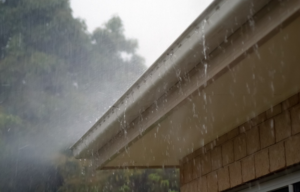
Gutters are part of the roof system, not just a trim piece. When they clog, overflow, or pull away, water can back up under the lower shingles and soak the fascia board. That moisture can rot wood, invite insects, and stain siding.
Make sure downspouts carry water at least 4 to 6 feet away from the foundation. Pooled water near the house can seep into basements or crawl spaces. That moisture finds its way upward, adding humidity to the attic and feeding mold. It is a loop that starts at the roof edge and ends with interior damage.
Roof problems rarely stay small. Stains spread, wood softens, and fasteners lose grip when moisture keeps sneaking in. Quick action keeps damage local and costs lower, and it gives you more options for a practical repair rather than a larger replacement.
Trust what you see and smell, track changes after storms, and tackle the most urgent issues first. With steady maintenance and timely fixes, your roof will keep doing its quiet job of protecting everything underneath it.