
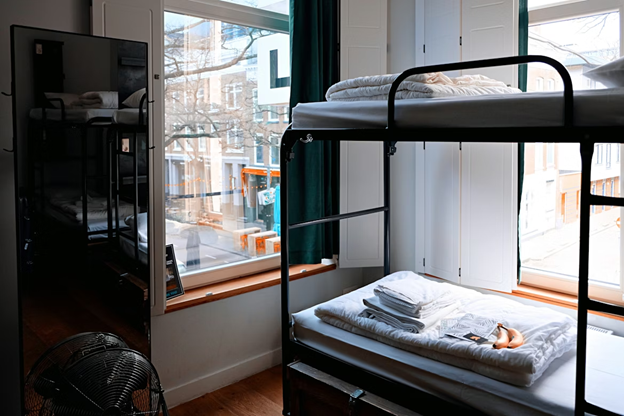
A hostel thrives when movement feels easy and safe from the first step. Stairs carry guests, luggage, laundry, and staff dozens of times each day, which makes them both a functional pathway and a powerful first impression. When the flights are clean, well-lit, and quiet underfoot, guests feel welcome and confident even during late arrivals. Careful attention to these details also lowers risk and prevents small issues from growing into costly repairs. With a simple plan, stairways can become one of the most reliable features in the entire property.
Why Stair Care Matters In Shared Lodging
Stairways concentrate traffic in buildings where hallways are narrow and elevators may be busy or absent. A single missed spill or loose tread can disrupt the flow of people at peak hours and can raise the chance of slips. Good care protects more than ankles and luggage, it supports the rhythm of check-in, kitchen service, and housekeeping rounds.
Guests also judge cleanliness by how the stairwell smells and looks as they climb, which shapes reviews and referrals. When stairs perform smoothly, staff can focus on hospitality rather than crisis control. Consistent upkeep turns a potential choke point into a dependable route used with comfort at any hour.
Daily Inspections And Cleaning Protocols
A short checklist at opening and closing catches most problems before they reach guests. When loose caps or worn treads appear, managers can buy stair parts here and replace components quickly without pausing operations. Cleaners should start at the top floor and work down so moisture is not tracked over finished steps.
Non-slip solutions for mopping keep shine without creating a slick surface that worries travelers carrying bags. Railings deserve a dedicated wipe to remove oils that dull metal and weaken grip, and corners should be vacuumed to collect grit that shortens finish life. Posting the checklist near the supply closet helps new team members learn the routine and keeps standards consistent through shift changes.
Lighting, Signage, And Wayfinding
Clear light makes every stair feel wider and more inviting. Fixtures should produce an even wash without glare on glossy risers, and mirrors placed thoughtfully can bounce brightness into landings that sit away from windows. Directional signs at each landing reduce confusion for guests who arrive late, and floor numbers painted at eye level help tired travelers confirm they are moving the right way.
Where space allows, a small shelf or ledge near a landing gives guests a safe place to set a bag while checking a room number. Emergency lighting must be tested on a schedule so it actually guides feet when the building is dark. These touches reduce hesitation and keep traffic flowing during both quiet and busy hours.
Hardware Integrity And Part Replacement
Handrails, balusters, and newel posts carry real loads in a hostel that hosts groups and gear. Rails should feel firm under pressure and should be continuous along long flights to support short and tall guests alike. Baluster spacing must protect small children without trapping bags or clothing, and end caps should be secure to prevent snags.
If the stair design includes metal accents, hardware must resist corrosion from daily cleaning and humid climates, and screws should be checked for proper bite into wood or masonry. When components show wear, swift replacement preserves both safety and the look that guests remember in photos. A small stock of matching parts keeps repairs quick and prevents a patchwork appearance.
Noise Control And Guest Comfort
Sound travels quickly through stairwells, especially at night when doors open and close near sleeping rooms. Treads that include a resilient underlayer soften footfalls without feeling spongy, and protective runners can be installed where luggage wheels hit the same path. Door closers on stair entries should be tuned to latch securely without slamming, which protects sleep and prevents frame damage.
Acoustic panels on the wall above landings temper echoes while allowing simple cleaning with a damp cloth. Even small changes like felt pads under cleaning carts reduce clatter that would otherwise wake light sleepers. A quiet stairwell is an invisible amenity that guests appreciate the next morning.
Accessibility And Inclusive Movement
Stair care extends to guests who may move differently or need extra support in a busy corridor. Rail profiles should fit a natural grip, and contrasting step edges help eyes judge depth in dim light. Where codes allow, adding resting spots at wider landings gives people a chance to pause and resets the rhythm of a long climb.
Clear pathways free of storage signals respect and make life easier for everyone who carries bags or pushes carts. Written policies should explain when and how staff assist guests with mobility needs, which keeps help consistent and dignified. Inclusive design choices pay back in gratitude and in the calm that returns to the building during peak movement.

A hostel’s reputation grows from the sum of small moments, and stair care shapes many of them. Clean steps, firm rails, and sensible lighting create quiet confidence whether guests arrive at noon or near midnight. Consistent checks, quick part replacement, and respectful policies help people feel safe as they move between rooms, kitchens, and common areas. When a property treats its stairways as a priority, guests notice the calm and carry that memory into reviews and return visits. With a steady plan and a team that knows it well, your stairs can serve safely and gracefully through busy seasons and quiet stretches alike.