
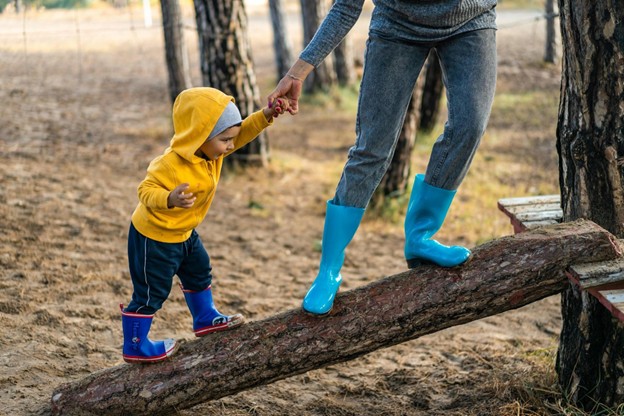
Kids move fast, and their gear has to keep up. Whether they are heading to practice, biking with friends, or sprinting through a busy school day, eyewear should stay put, feel good, and handle impacts.
The best setup balances protection and comfort without making kids feel “different.” When glasses fit well and match the activity, children are more likely to wear them consistently and worry less about slips, pinches, or fogging.
Start With Real-Life Fit
Fit problems show up when kids move, not when they stand still. Frames that slide down the nose lead to constant pushing and smudged lenses. Temples that squeeze too hard can cause headaches and red marks.
Do a quick movement test at home. Have your child look down, jump once, and shake their head side to side. If the glasses shift, the fit needs adjusting before it is “play ready.”
Check for comfort around cheeks and lashes. If the frame touches cheeks during a smile or lashes brush the lens, it will feel annoying fast. Small tweaks can stop big complaints.
Choose Frames Built For Play And Travel
Every day frames can be fine for class, but active time needs more stability. Wrap-style designs sit closer and block wind and stray contact. Flexible materials handle drops and backpack pressure better.
Look for a fit that stays steady during running, biking, and quick direction changes. Many families choose kids prescription sport glasses because the shape and build are made for movement. That secure feeling can reduce slipping and help kids stay focused on play.
Focus on stress points like hinges and corners. Those areas take the most abuse from daily handling. A durable frame should feel sturdy without feeling heavy.
Prioritize Impact Safety Without Making It Scary
Kids do better with simple reasons than scary stories. Keep safety language calm and tied to real moments, like balls, elbows, and falls. The point is protection, not worry.
Eye injuries in children are not rare. A 2024 review reported that of the 2.4 million yearly eye injuries in the United States, 35% occur in patients under 18. That is a strong reminder that everyday activity can carry risk.
Consistency matters more than perfection. If eyewear is comfortable, kids wear it more often. More wear time means better protection when surprises happen.
Use Straps And Padding The Smart Way
A strap can stop slipping during sweating, running, and bending forward. It lowers the chance of glasses flying off during contact. The best straps feel secure without pulling.
Padding should add comfort, not bulk. Soft nose and temple pads can reduce pressure and improve grip. If the skin gets irritated, the strap may be too tight or the padding too thick.
Keep the strap setup simple. Place it low on the back of the head for stability. Make it snug, but not enough to pull ears forward. Quick adjustability helps kids actually use it.
Manage Fog, Glare, And Visual Fatigue
Comfort is about what kids see when moving between indoor and outdoor spaces. Fog and glare can make kids squint, slow down, or stop wearing the glasses.
Fog often comes from heat and moisture trapped near the face. Better airflow, a good seal balance, and consistent cleaning can reduce it. If fog is constant, the frames may sit too close, or the strap may be too tight.
Glare can be a bigger problem than kids can explain. They might say “I can’t see” when they really mean sunlight is bouncing off surfaces. A lens option that reduces glare can make sports and travel feel easier during afternoon practices.
Build Simple Habits That Keep Glasses Comfortable
Maintenance is a comfort tool. Dirty lenses cause smears and halos, and kids tend to wipe them with shirts that add more grime. Keep a small microfiber cloth in the backpack and teach a quick, gentle wipe routine.
Storage matters more than it seems. A hard case prevents scratches and reduces the odds of bent frames from being crushed under books. If a case is “too much,” at least use a soft pouch and a consistent pocket.
Schedule quick fit checks every few months. Kids grow, and a fit that was perfect in September may pinch by December. Small adjustments can keep eyewear comfortable enough that kids wear it without reminders.
Comfort and safety should not compete. When eyewear fits during motion, stays clear, and feels light, children can focus on playing, learning, and getting from place to place with confidence.
The best result is boring in a good way: no slipping, no distractions, and no constant adjustments. With the right fit, stable design, and simple care habits, protective eyewear can become a normal part of your child’s routine, not a struggle.