
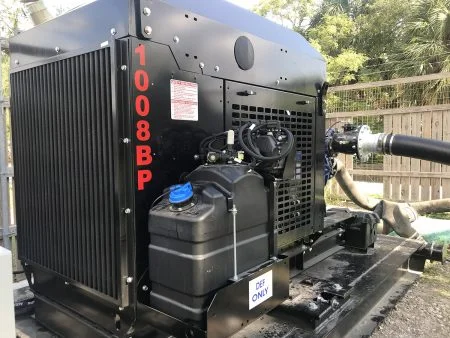
Selecting the right dredging booster pump involves several important considerations. First, you should know the types of pumps available; each has its strengths and weaknesses. Performance factors play a crucial role too, such as flow rate and pressure, which can affect your project’s efficiency. Environmental impact cannot be overlooked either, since some pumps may have different effects on surrounding ecosystems. Additionally, consider maintenance needs: regular upkeep ensures that your pump lasts longer and performs well. Overall, conducting thorough research helps to make an informed decision that balances functionality with environmental responsibility while meeting project demands effectively.
Understanding Dredging Booster Pumps
Dredging booster pump play a crucial role in enhancing the efficiency of dredging operations. By maintaining the flow of slurry to the main pump, these pumps ensure that the dredging process remains continuous and effective. They are commonly used in various projects, such as maintaining harbors and cleaning riverbeds. Available in different sizes and capacities, choosing the right dredging booster pump depends on the specific needs of the project. For example, smaller projects may require a compact pump, while larger operations might need a more powerful model.
Dredging booster pumps can be powered by either diesel engines or electric motors. The choice between these power sources often hinges on site conditions and the scope of the project. For instance, in remote areas where electricity is not readily available, a diesel-powered pump may be more practical. Conversely, in urban settings where noise and emissions are concerns, electric pumps could be preferable.
Understanding pump curves is vital when selecting the right model. These curves provide insights into how a pump will perform under various conditions, including flow rate and pressure. Additionally, many dredging booster pumps are designed to handle solid particles and abrasive mixtures effectively, which is essential for successful operation in challenging environments.
To minimize wear and tear caused by abrasive materials, these pumps often come equipped with features that enhance durability. Proper installation is also critical for optimal performance, ensuring that the pump operates efficiently and reliably throughout the duration of the project.
 Types of Dredging Booster Pumps
 Types of Dredging Booster Pumps
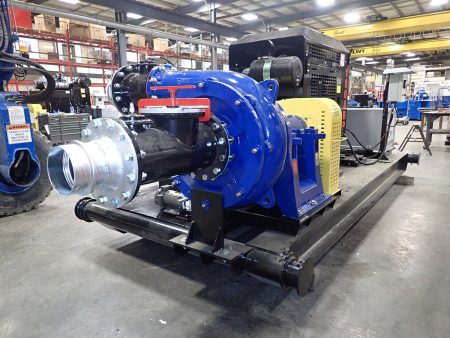
Dredging booster pumps come in various types, each designed for specific applications and conditions. Centrifugal pumps are widely used in dredging due to their efficiency in moving large volumes of water and slurry. For projects involving high-viscosity slurries, positive displacement pumps are ideal as they can handle thicker materials effectively. Submersible pumps are a go-to choice for shallow water projects, allowing for easy deployment and operation underwater. On the other hand, portable pumps offer flexibility, making them suitable for different job sites without the need for permanent installation.
When considering power sources, electric pumps stand out for being quieter and more environmentally friendly compared to diesel pumps. However, diesel pumps usually provide more power, which can be crucial for operations in remote locations. Self-priming pumps save time and labor during setup, enhancing efficiency before the dredging process begins. Multi-stage pumps are necessary when high pressure is required to lift materials from significant depths. Lastly, diaphragm pumps are effective for certain types of slurries, especially those that may damage other pump types. The construction materials of these pumps also vary to handle different levels of abrasiveness, ensuring longevity and reliability in demanding conditions.
Key Considerations for Selection
When selecting a dredging booster pump, begin by determining the specific application for your project. Each dredging operation can have unique needs, whether it’s for a construction site or environmental restoration. Next, assess the type of material you are dredging, such as sand or gravel, since different materials can affect pump performance. It’s crucial to calculate the required flow rate based on your project’s demands, as this will directly influence the pump’s efficiency.
Evaluating the total dynamic head (TDH) is also important, as it represents the height the pump needs to lift the material, including friction losses in the system. Consider the pump’s power source, whether diesel or electric, based on your site’s accessibility and available infrastructure.
Space for installation and operation should not be overlooked; ensure there’s enough room to accommodate the pump and any additional equipment. Maintenance requirements can vary significantly among pump types, so it’s wise to choose one that aligns with your team’s capabilities and resources.
Budget plays a vital role in your decision-making process; factor in both the initial purchase price and ongoing operational costs. Reviewing manufacturer specifications and warranties can provide insights into the pump’s reliability and expected lifespan. Lastly, consulting with experts can help match the pump with your project requirements, ensuring you make an informed choice that optimizes performance.
- Determine the specific application for the dredging project.
- Assess the type of material being dredged (sand, gravel, etc.).
- Calculate the required flow rate based on project needs.
- Evaluate the total dynamic head (TDH) for the pump system.
- Consider the pump’s power source (diesel or electric) based on site access.
- Check for available space for pump installation and operation.
- Look at the maintenance requirements for different pump types.
- Determine the budget for purchase and operational costs.
- Review manufacturer specifications and warranties.
- Consult with experts to match the pump with project requirements.
Performance Factors to Evaluate
When selecting a dredging booster pump, performance factors play a crucial role. Start by checking the pump’s efficiency rating, as a high rating can significantly maximize output, ensuring you get the most from your investment. Next, understand the maximum flow rate the pump can handle; this will determine how quickly you can move materials. It’s also vital to evaluate the pressure rating, as it needs to meet your project’s demands to ensure effective operation.
Additionally, consider the wear rate of the pump’s components, which affects longevity and maintenance costs. A pump that can handle solids without clogging is a must, especially in dredging applications where debris can be prevalent. Assessing the suction lift capability is essential; different depths may require varying performance levels.
Analyzing the noise levels during operation is another factor that often gets overlooked but can impact work conditions. For long-term cost efficiency, review the energy consumption of the pump, as higher efficiency can lead to lower operational costs. Also, consider the temperature range the pump can operate in, ensuring it suits the environmental conditions of your project. Finally, examine how the pump performs under varying conditions to ensure reliability throughout the dredging process.
Environmental Considerations in Use
When selecting a dredging booster pump, it is crucial to consider its environmental impact. First, ensure that the pump complies with local environmental regulations to avoid legal issues and potential fines. In sensitive areas, noise pollution can be a significant concern, so look for pumps designed to operate quietly. Additionally, evaluate how dredging activities might affect local wildlife, as disturbances can disrupt habitats. It’s also essential to assess the risk of spills and leaks, which can have devastating effects on the surrounding ecosystem. Opting for energy-efficient pumps can help reduce your carbon footprint, making operations more sustainable. Furthermore, consider using biodegradable lubricants and fluids to minimize environmental harm. The pump’s vibration levels should be assessed as well, as excessive vibrations can damage nearby structures and disrupt the environment. Proper waste disposal of materials extracted during dredging is vital to prevent contamination. Implementing measures to control sedimentation and erosion is also important, as these factors can negatively impact waterways. Lastly, engaging with local communities to discuss environmental concerns fosters better relationships and may provide valuable insights into minimizing ecological impact.
Maintenance Needs for Dredging Pumps
Regular maintenance is crucial for the longevity and efficiency of dredging booster pumps. Start by checking and replacing any worn or damaged parts, as neglecting this can lead to larger issues down the line. Keep the pump clean and free of debris to prevent blockages that can hinder performance. It’s also important to monitor fluid levels and quality, ensuring that the pump operates smoothly without any disruptions.
Scheduling routine inspections allows you to catch potential problems early, minimizing downtime and repair costs. Be sure to lubricate moving parts according to the manufacturer’s recommendations to ensure optimal function. Training staff on proper operation and maintenance techniques can prevent mishaps and improve overall performance.
Documenting maintenance activities is essential for future reference, helping you track what has been done and identify any recurring issues. Some operators might consider remote monitoring systems for real-time data, which can enhance responsiveness to any arising problems. Lastly, having a contingency plan for unexpected breakdowns can save time and resources, while reviewing maintenance records helps identify patterns that may indicate the need for process improvements.
Finding the Right Fit for Your Project
Choosing the right dredging booster pump starts with understanding your project’s specific needs. Consulting with engineers can help you align your pump choice with your project goals, ensuring that technical requirements are met. Reviewing case studies from similar projects can provide valuable insights into pump performance and reliability, which can guide your decision-making process.
Local supplier support is crucial for parts and maintenance, so consider the availability of suppliers in your area. This factor can significantly impact your operational efficiency and downtime. Evaluating the total cost of ownership, including maintenance, is also essential; a lower initial price may lead to higher long-term costs if the pump requires frequent repairs or parts replacement.
When discussing options, reach out to multiple manufacturers to compare quotes and features. This can help you find the best deal and the right fit for your project. Don’t overlook delivery times for pump procurement, as delays can impact project timelines. It’s also important to assess how compatible the pump is with your existing equipment to avoid any integration issues.
Being open to testing different pumps can provide firsthand experience with their performance, which is invaluable in making your final decision. Additionally, feedback from operators who have used various pump models can offer practical insights that might not be apparent in specifications or brochures.
Frequently Asked Questions
What factors should I consider when selecting a dredging booster pump?
When choosing a dredging booster pump, consider factors such as the pump’s flow rate, the type of material it will handle, energy efficiency, and the proposed depth of operation.
How do I determine the right flow rate for a dredging booster pump?
To find the right flow rate, assess the volume of material you need to pump and the distance it will travel. This helps ensure the pump can handle the workload effectively.
What is the importance of the pump’s suction lift capability?
Suction lift capability is important because it determines how deep the pump can draw in water or slurry. A pump with good suction lift can operate effectively in deeper dredging applications.
Are there specific materials that a dredging booster pump should be made of?
Yes, the material of the pump should be resistant to corrosion and wear, especially if you are pumping abrasive materials. Common materials include stainless steel or high-grade plastics.
How can I assess if a dredging booster pump is energy efficient?
To check for energy efficiency, look for a pump’s performance curve and its power consumption ratings. Pumps designed with energy-saving features contribute to lower operational costs.
TL;DR Choosing the right dredging booster pump involves understanding different types, evaluating key performance factors, and considering environmental impacts. Maintenance needs also play a critical role. This guide offers insights to help you find the best pump for your specific project.