
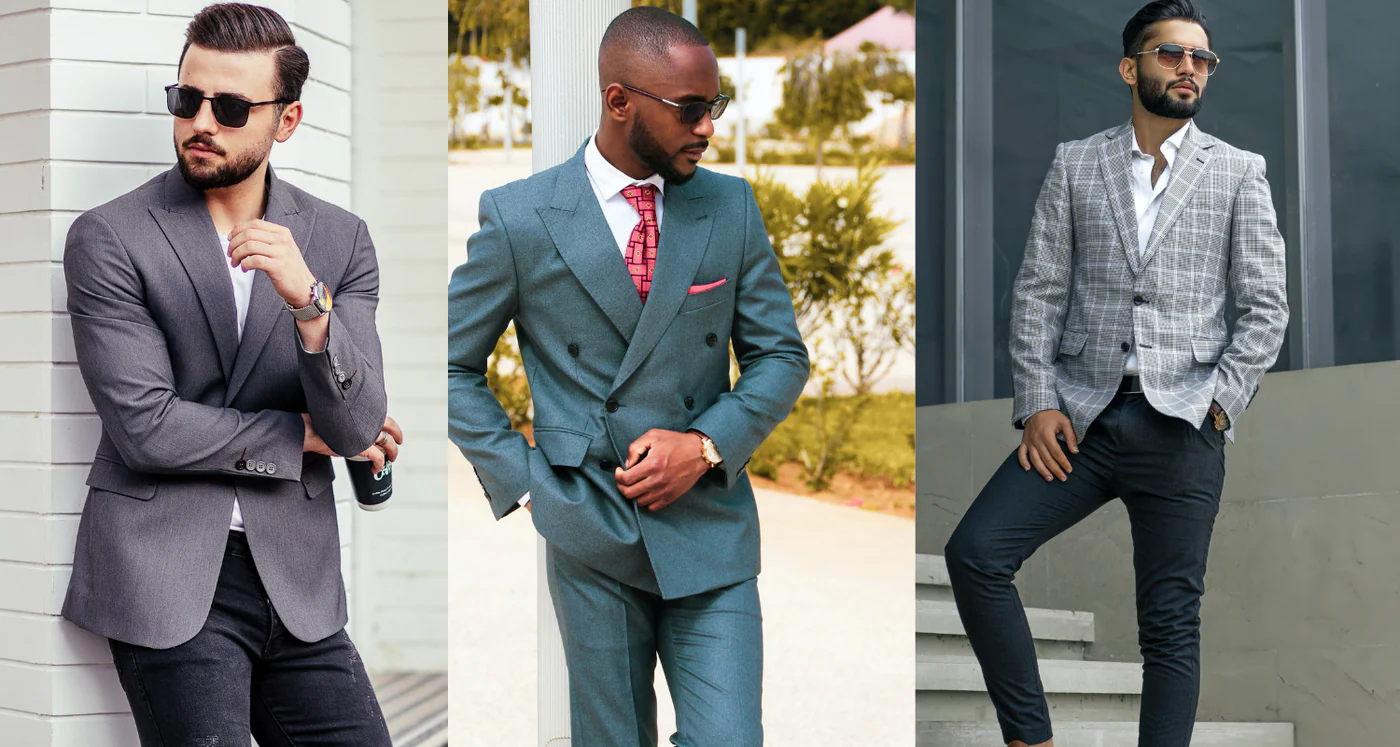
A single, well-fitted suit can open the door to countless outfit choices without draining the wallet or the closet. The same suit can move from a business meeting to a wedding or a weekend event with a few smart changes in accessories, shirts, and shoes. A single suit becomes a flexible base for both formal and casual looks by mixing and matching simple elements.
Style choices depend on context, so understanding how to dress a suit for each setting saves time and builds confidence. A crisp shirt and tie can create a professional edge, while a knit polo or crewneck adds a relaxed touch for social events. The goal is to make one garment feel new every time it appears.
This guide explains what pieces matter most, how to adjust details for the occasion, and why versatility gives greater value to a single suit. Each section breaks down practical ideas to help build a smart, timeless wardrobe that works for every event on the calendar.
Essentials for Styling a Single Suit
A single well-made suit can handle formal events, daily meetings, and casual outings with only small changes in how it is worn. Success depends on choosing a timeless cut, a proper fit, and neutral colors that adapt to any setting without looking forced or outdated.
Choosing the Most Versatile Suit
A classic two-piece suit offers the best balance between formality and flexibility. A single-breasted jacket with notch lapels works in both business and social settings, while a slim but comfortable fit looks modern without feeling tight. Avoid trendy cuts that may limit how often the suit can be worn.
Fabrics like lightweight wool or wool blends keep their shape through frequent use and look polished in every season. These materials resist wrinkles better than linen or cotton, which helps maintain a neat look throughout the day.
Men who value quality should consider premium custom suits near NYC because skilled tailoring creates a durable piece that adjusts to the body’s shape and holds up under repeated use. A custom approach also allows more control over fabric weight, button style, and lining for everyday adaptability.
The Importance of Suit Fit and Fabric
Fit has a bigger impact than any other feature. Shoulders must align with the frame, sleeves should rest just above the wrist bone, and trousers should touch the top of the shoes without excess pooling. Small alterations can correct most issues, so a professional tailor remains the best resource.
Fabric weight and weave determine how comfortable the suit feels across seasons. Midweight wool covers cool mornings and warm afternoons, making it the strongest all-around choice. Those who work in heat may prefer wool blends that feel lighter but still keep a structured look.
Investing in durable stitching and quality lining extends the life of the garment. It also keeps the jacket from stretching or puckering after several wears, which preserves the clean lines expected from a suit.
Selecting Neutral Colors for Maximum Flexibility
Neutral tones create the most versatility. Navy, charcoal gray, and medium gray work across business, wedding, and evening events. These shades pair well with nearly any shirt or tie, saving time by reducing the need for multiple coordinating pieces.
Avoid patterns that lock the outfit into a specific look. A subtle pinstripe or texture can add interest, but solid fabrics remain more adaptable. Neutral colors also hide small wrinkles, and fabric wears better than lighter shades, keeping the outfit sharp through busy schedules.
Changing accessories, such as ties, pocket squares, or shoes, shifts the mood without requiring an entirely new outfit. This approach allows one carefully chosen suit to move easily between work, travel, and formal occasions.
Transforming Your Suit for Every Occasion
A single well-tailored suit can shift from formal events to casual outings with a few strategic adjustments. Fabrics, shirt colors, accessories, and footwear play major roles in setting the right tone for any setting.
Styling for Formal Occasions and Weddings
For weddings and black-tie events, a suit should project elegance and respect for the occasion. Deep tones such as navy, charcoal, or black often work best in wool or a fine blend. The structure and material matter most here, as they reflect both taste and attention to detail.
Pairing a white dress shirt with a silk tie or bow tie presents a clean, timeless look. Add a pocket square in a subtle color to bring a touch of contrast without overpowering the outfit. Cufflinks or a small boutonniere can add personal style.
Footwear should always appear polished. Leather Oxford or brogue shoes typically suit formal attire. For evening events, darker shoes maintain a sleek and formal impression. These fine details separate ceremony wear from everyday office looks and help a single suit appear event-ready.
Business and Professional Settings
In office or business environments, the same suit can show professionalism through restraint. A classic grey or navy tone communicates reliability and focus. For variety, subtle pinstripes or textured fabrics can create interest while remaining conservative.
A light blue dress shirt or white dress shirt pairs well under a fitted jacket. The tie should stay understated, such as a solid silk or knit tie in muted shades. Accessories like a watch or a plain pocket square help finish the look without distraction.
Footwear plays a practical part. Black or brown leather shoes suit most professional spaces. The aim is balance, like neat, composed, and not too formal. A smart coat during colder months completes the business appearance while keeping the same base suit.
Adapting Your Suit for Semi-Formal and Smart-Casual Events
To shift a suit toward semi-formal or smart-casual wear, reduce stiffness without losing the refined foundation. Lighter fabrics such as cotton or linen work well for relaxed gatherings. Colors like light grey, tan, or soft blue help refresh the look.
Skip the tie and replace the formal shirt with a polo or turtleneck. These choices add comfort yet remain tidy. Accessories can stand out more here; a simple bracelet, watch, or pocket square in a brighter color suits the mood.
Footwear also allows flexibility. Loafers, suede shoes, or brogues strike an ideal middle ground. The outfit remains sharp, but not overly stiff. This flexible style fits dinner parties, informal meetings, and daytime events.
Dressing Down for Casual Outings
A quality suit coat can serve as a structured layer for casual wear. Pair the jacket with dark jeans or chinos to achieve balance between neat and relaxed. Neutral shades like navy or grey create a good mix for these combinations.
Replace the formal shirt with a crewneck T-shirt or casual button-down. Maintain a clean look by rolling up the jacket sleeves slightly or leaving the top button open.
For shoes, white sneakers, loafers, or boots provide a practical and comfortable finish. A watch or lightweight accessory adds a personal touch. This approach allows the same custom suit to move naturally from business hours to weekend events, building a versatile wardrobe from one foundation piece.
Conclusion
A single well-made suit can adapt to several events with only a few small adjustments. The right shirt, accessories, and shoes shift the tone from formal to relaxed without losing style. Each change reflects awareness of place and occasion while keeping comfort and fit as priorities.
Color and fabric choice also shape flexibility. Neutral shades such as navy, grey, and charcoal stay appropriate for both professional and social settings. As a result, one outfit supports varied dress codes while staying polished.
Simple details make the difference. Removing a tie, folding a pocket square, or switching footwear adjusts the look fast and keeps it consistent throughout the day. This approach gives value to a suit by extending its use far beyond one purpose.