
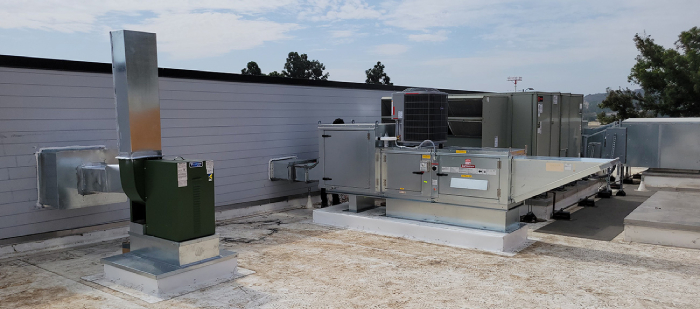
Regular hood cleaning is crucial for maintaining safety in restaurants. The danger of grease buildup can ignite a fire, jeopardizing everyone’s safety. Moreover, adhering to NFPA guidelines helps ensure compliance with vital safety standards and avoid costly fines. Clean hoods significantly improve air quality by reducing harmful particles and unpleasant odors, creating a healthier atmosphere for both staff and diners. Additionally, this maintenance boosts kitchen equipment efficiency and lifespan while leading to energy savings. Ultimately, prioritizing hood cleaning fosters a strong culture of safety among employees while protecting the restaurant’s reputation from the devastating effects of fire hazards.
1. Fire Prevention: Keep Your Restaurant Safe
Regular hood cleaning for restaurants is essential for fire prevention in restaurants. Grease buildup in kitchen hoods, ducts, and exhaust systems poses a severe fire hazard. When ignited, it can lead to catastrophic fires that spread rapidly, endangering both staff and customers. By establishing a cleaning schedule, you ensure that these areas are maintained frequently enough to prevent dangerous grease accumulation. Training your staff on fire safety and the critical nature of hood cleaning fosters a culture of safety in the kitchen. In addition, using fire-retardant materials alongside routine cleaning practices enhances overall safety.
Installing automatic fire suppression systems, combined with consistent hood maintenance, adds another layer of protection. Conducting regular fire drills prepares your team for emergency situations, ensuring everyone knows how to respond effectively. Open dialogue about fire safety encourages employees to report hazards without hesitation, creating a proactive safety environment. Moreover, keeping a documented cleaning schedule establishes accountability, which is crucial during inspections.
Engaging professional hood cleaning services ensures the job is done thoroughly and meets safety standards. This not only protects your kitchen but also promotes awareness of local fire codes, keeping everyone informed and compliant. Regular hood cleaning is not just about compliance; it’s about safeguarding lives and creating a safe dining environment.
- Regular hood cleaning reduces the risk of grease fires, which can spread quickly and cause extensive damage.
- Implementing a cleaning schedule ensures that hoods are cleaned frequently enough to prevent grease buildup.
- Training staff on fire safety and the importance of hood cleaning is crucial for maintaining a safe kitchen environment.
- Using fire-retardant materials in the kitchen can enhance safety when combined with regular cleaning practices.
- Installing automatic fire suppression systems in conjunction with routine hood maintenance provides an extra layer of safety.
- Conducting regular fire drills helps prepare staff for emergency situations, ensuring everyone knows how to respond.
- Encouraging an open dialogue about fire safety creates a culture where employees feel comfortable reporting hazards.
- Documenting cleaning schedules and maintenance ensures accountability and can be crucial during inspections.
2. Health and Air Quality: Breathing Easy
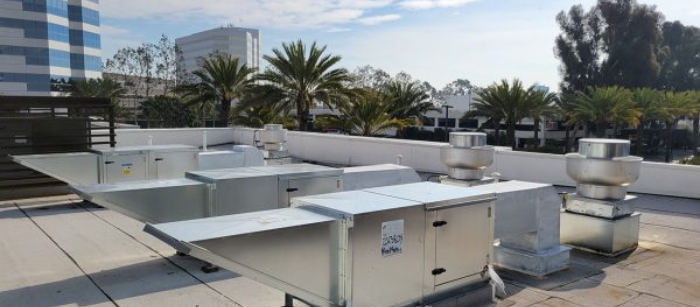
Clean kitchen hoods play a crucial role in enhancing indoor air quality by minimizing airborne grease, smoke, and other pollutants. When hoods are regularly cleaned, they effectively reduce allergens and irritants in the air, creating a healthier environment for both staff and patrons. For instance, restaurants that use high-efficiency filters alongside regular hood cleaning can observe even further improvements in air quality. It’s also essential to check ventilation systems during hood maintenance, as this ensures optimal performance and air circulation, which is vital for a comfortable working space.
Regular inspections for mold growth in ducts are another crucial aspect of maintaining health in the kitchen. Mold can lead to serious health issues for both employees and customers if left unchecked. Encouraging open communication with staff about air quality can empower them to report any concerns they may have. Additionally, using non-toxic cleaning products during hood maintenance supports a healthier kitchen environment, contributing to the overall well-being of everyone in the space.
Promoting regular breaks for staff in well-ventilated areas can also help mitigate health complaints and improve morale. Moreover, considering upgrades to ventilation systems can lead to long-term benefits in air quality and kitchen efficiency. By monitoring CO2 levels in kitchens, restaurants can effectively assess air quality, allowing for prompt action when necessary. This proactive approach to health and air quality not only safeguards employees but also enhances the dining experience for guests.
3. Operational Efficiency: Save Time and Money
Regular hood cleaning is essential for maintaining operational efficiency in a restaurant. Clean hoods operate more effectively, which can lead to lower energy costs and improved kitchen performance. When exhaust systems are free from grease and grime, they require less energy to function, resulting in noticeable savings on utility bills. Moreover, regular maintenance helps prevent major breakdowns, which can be costly in terms of emergency repairs and lost revenue during downtime. Establishing a routine cleaning schedule not only keeps your kitchen compliant but also eliminates the last-minute scrambles before health inspections, allowing staff to focus on daily operations without the added stress.
Training your staff on the importance of cleanliness can enhance their overall kitchen practices, creating a culture where everyone is invested in maintaining a tidy work environment. Using checklists for maintenance ensures that no crucial tasks are overlooked, maximizing efficiency. Collaborating with suppliers to find effective cleaning products can streamline the process and cut costs. Implementing a tracking system for cleaning schedules promotes smooth operational flow and helps identify patterns in cleaning needs, allowing for better resource allocation.
Investing in high-quality equipment contributes to better performance and lower maintenance costs over time, as durable tools require less frequent repairs. Encouraging teamwork during cleaning tasks not only fosters camaraderie among staff but also enhances overall efficiency in the kitchen. Regularly reviewing operational protocols can uncover areas where efficiency can be improved, ensuring that your restaurant runs like a well-oiled machine.
4. Legal Compliance: Avoid Fines and Penalties
Regular hood cleaning is not just a good practice; it is often a legal requirement in many jurisdictions. Failing to comply can lead to hefty fines and penalties, which can seriously impact your restaurant’s bottom line. Keeping meticulous documentation of cleaning schedules and maintenance work provides essential proof during health inspections, showing that you take compliance seriously.
Understanding local health codes and regulations is crucial to avoid surprises during inspections. This knowledge empowers your staff, making them aware of their responsibilities in maintaining kitchen safety. Training them on these compliance requirements allows them to take ownership of safety practices, creating a proactive environment.
Partnering with certified cleaning services ensures that all aspects of your hood cleaning meet local regulations and industry standards. Establishing a good relationship with local health inspectors can also facilitate smoother inspections and compliance checks, making the process less stressful.
Maintaining detailed records of inspections and cleaning activities can protect against potential legal issues in the future. Regularly reviewing compliance guidelines ensures you stay updated with any changes in regulations, further safeguarding your business. Creating a compliance checklist can help ensure all necessary tasks are completed on schedule, preventing any oversights. Encouraging transparency regarding compliance fosters a culture of responsibility among staff, making them feel involved and accountable.
5. Establishing a Safety Culture: Empowering Employees
Creating a safety committee within your restaurant can significantly enhance the focus on safety practices, including hood cleaning. This committee serves as a platform for ongoing discussions and allows employees to voice their concerns and suggestions. Regular communication about the importance of safety fosters a sense of investment among staff, making them feel valued and part of a collective mission. Implementing safety training programs is essential, as these help employees understand their critical role in supporting a culture of safety. When employees prioritize safety, it not only protects them but also contributes to a more efficient work environment.
Recognizing and rewarding employees who exemplify safe practices can create positive motivation, encouraging others to follow suit. An environment where open communication is encouraged allows for the quick resolution of safety concerns, preventing issues before they escalate. Involving employees in developing safety protocols increases their commitment to adhering to them. Conducting regular safety audits helps identify areas for improvement, reinforcing the importance of safety in daily operations.
Promoting teamwork during cleaning tasks, like hood maintenance, can strengthen workplace relationships and ensure accountability among staff. Providing resources for continued education on safety empowers employees to take proactive measures. Ultimately, creating a safe and healthy work environment not only leads to increased job satisfaction but also positively impacts employee retention, making your restaurant a great place to work.
6. Reputation Management: Protecting Your Brand
Regular hood cleaning is not just about meeting safety standards, it’s also about protecting and enhancing your restaurant’s reputation. A clean kitchen reflects positively on your establishment, making it more appealing to potential customers. When patrons see that you prioritize cleanliness, it cultivates a sense of trust, encouraging them to choose your restaurant over others.
online reviews can make or break a business. If customers notice cleanliness issues, they are likely to voice their concerns online, which can tarnish your brand image. Regular hood cleaning demonstrates a visible commitment to hygiene and safety, making it clear that you take customer feedback seriously and are dedicated to providing a clean dining experience.
Engaging with local community organizations can further enhance your brand’s image. By participating in health and safety events, you position your restaurant as a leader in maintaining high standards. Additionally, showcasing your cleanliness efforts on social media can attract new customers. Highlighting your dedication to safety in marketing materials can set you apart from competitors, reinforcing your brand values.
Creating a feedback loop with customers allows you to identify areas for improvement, fostering loyalty and trust. When safety incidents occur, addressing them transparently can significantly minimize potential damage to your reputation. Building partnerships with local health departments not only boosts your credibility but also shows your commitment to upholding industry standards. Ultimately, regular hood cleaning is a proactive strategy that protects your brand, ensuring long-term success.