
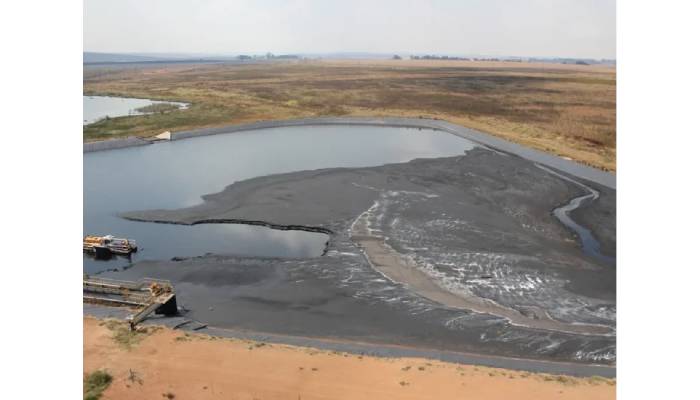
Mine tailings dredge equipment plays a critical role in the mining industry, helping companies manage and process mineral waste efficiently. These specialized dredges are designed to handle the unique challenges of mining operations, from extracting valuable materials from tailings ponds to maintaining environmental compliance and maximizing resource recovery.
What is a Mine Tailings Dredge?
A mine tailings dredge is a sophisticated piece of equipment specifically engineered to process and manage mining byproducts and waste materials. These dredges are equipped with advanced suction and pumping systems that allow them to extract mineral-rich slurry from tailings ponds and other water bodies. The primary function of a mine tailings dredge is to recover valuable minerals and metals that would otherwise be lost, while simultaneously managing the environmental impact of mining operations.
Modern mine tailings dredge systems utilize cutting-edge technology to maximize efficiency and minimize operational costs. The equipment can handle various types of mineral slurries, from copper and gold tailings to iron ore and rare earth elements. By deploying advanced dredging technology, mining companies can reduce their environmental footprint while improving their bottom line through increased resource recovery. These dredges are essential for sustainable mining practices and help companies achieve their operational and environmental goals.
 Why Mine Tailings Dredge Technology Matters?
 Why Mine Tailings Dredge Technology Matters?
The importance of mine tailings dredge technology cannot be overstated in today’s mining landscape. As environmental regulations become increasingly stringent, mining operators must find effective ways to manage tailings and minimize waste. A mine tailings dredge provides a practical solution by allowing companies to reclaim valuable materials from existing tailings deposits.
Environmental compliance is a major driver behind the adoption of mine tailings dredge systems. Many jurisdictions now require mining companies to manage tailings responsibly and reduce the volume of waste stored in tailings facilities. By implementing dredging operations, companies can significantly reduce their tailings inventory while recovering additional resources. This dual benefit makes mine tailings dredge technology an investment that pays for itself through improved recovery rates and reduced environmental liabilities. Additionally, the equipment helps extend the life of existing tailings facilities, reducing the need for costly expansions. The operational flexibility of modern dredging systems allows mining companies to adapt to changing market conditions and optimize their production schedules. Whether dealing with legacy tailings from older mining operations or managing current production, mine tailings dredge equipment offers reliable and cost-effective solutions.
How Does Mine Tailings Dredge Equipment Work?
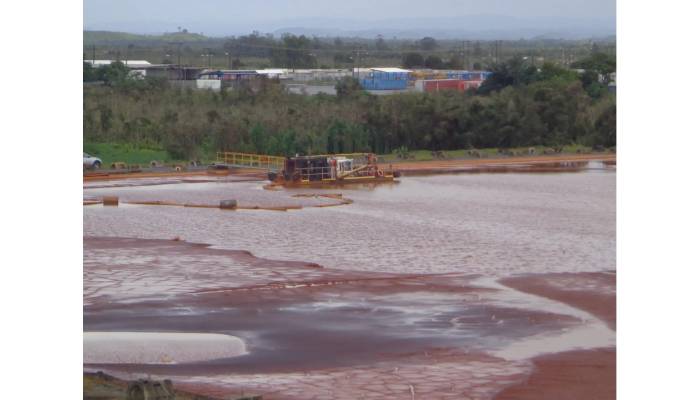
Understanding how mine tailings dredge equipment operates is essential for mining operators looking to implement these systems. The basic process involves positioning a dredge vessel over a tailings deposit, then using powerful suction systems to extract the mineral-bearing slurry from the bottom of the pond or water body. The dredge is typically equipped with cutterheads or suction pumps that loosen and mobilize the material, making it easier to extract.
Once the slurry is drawn into the dredge, it passes through a system of pipes and processing equipment. Depending on the specific mine tailings dredge configuration, the material may be processed on the dredge itself or transported to shore-based facilities for further treatment. Many modern systems include on-board classification and separation equipment that can immediately begin recovering valuable minerals. This increases efficiency and reduces transportation costs. The processed material is then either returned to the tailings facility in a consolidated form or directed to recovery operations for mineral extraction. The discharge from a mine tailings dredge is typically much denser and more compact than the original slurry, which helps reduce the volume of material that must be stored. This feature is particularly valuable for mining operations facing space constraints or environmental regulations limiting tailings storage expansion.
Key Benefits of Implementing Mine Tailings Dredge Systems?
The implementation of mine tailings dredge technology offers numerous advantages for mining operations. The most obvious benefit is increased resource recovery, allowing companies to extract additional value from materials that would otherwise be discarded. This improved recovery can significantly enhance project economics and extend mine life.
Environmental benefits are equally important. By reducing the volume of material stored in tailings facilities, companies can lower their environmental liabilities and reduce the risk of tailings facility failures or breaches. This is especially critical in regions with strict environmental regulations or where tailings facility stability is a concern. Operational efficiency improvements are another key advantage. Modern mine tailings dredge systems are designed for reliability and require minimal maintenance compared to alternative processing methods. The equipment can operate continuously, providing consistent material flow and reducing bottlenecks in mining operations. Cost savings accumulate over time as companies benefit from reduced tailings management expenses, lower environmental compliance costs, and increased revenue from recovered minerals. Additionally, the equipment helps mining companies improve their relationship with local communities and regulatory agencies by demonstrating a commitment to responsible tailings management. This can facilitate permitting for future operations and support social license to operate objectives.
Choosing the Right Mine Tailings Dredge for Your Operation?
Selecting the appropriate mining dredges system for a specific mining operation requires careful consideration of several factors. The first step is to conduct a thorough assessment of your tailings characteristics, including particle size distribution, mineral composition, and density. Different dredge designs are optimized for different materials, so understanding your specific tailings is essential.
The size and depth of your tailings facility also influence dredge selection. Larger, deeper facilities may require different equipment configurations than smaller ponds. The annual volume of material to be processed and the target recovery rates will determine the dredge capacity and processing capability required. Environmental and regulatory considerations should also factor heavily into your decision. Some jurisdictions may have specific requirements regarding dredging operations, discharge standards, or facility management that influence equipment selection. Working with experienced dredge manufacturers and mining consultants can help ensure you select equipment that meets all regulatory requirements while maximizing operational efficiency. Cost considerations include both initial capital investment and long-term operational expenses. While more sophisticated dredge systems may have higher upfront costs, they often provide superior long-term value through improved recovery rates and reduced maintenance requirements. Analyzing the total cost of ownership over the expected equipment lifespan is critical to making an informed decision that aligns with your operational and financial objectives.
Conclusion
Mine tailings dredge technology represents a significant advancement in how the mining industry manages waste and recovers value from mineral processing operations. These specialized systems offer mining companies practical solutions for improving resource recovery, managing environmental compliance, and enhancing operational efficiency. Whether you are looking to maximize recovery from existing tailings facilities or implement advanced waste management practices, mine tailings dredge equipment provides the reliability and performance needed for modern mining operations. The benefits of implementing these systems extend beyond simple resource recovery, encompassing environmental stewardship, regulatory compliance, and long-term operational sustainability. As the mining industry continues to evolve and face increasing pressure to operate responsibly, mine tailings dredge technology will play an increasingly important role in helping companies achieve their operational and environmental goals.