
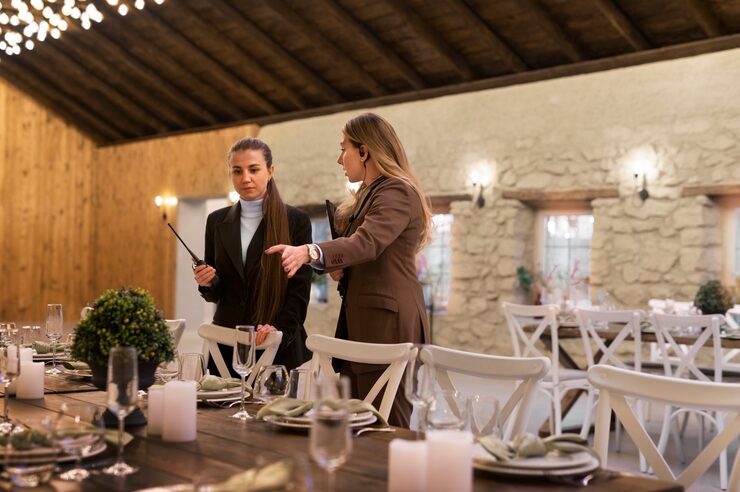
Working with corporate event planners can greatly enhance your events, but it requires a bit of effort to get it right. Start by understanding their role and the types of events they handle, like conferences and product launches. Good collaboration is key since it helps distribute responsibilities based on strengths, which can reduce stress. It’s important to clearly define objectives for the event and set a realistic budget before moving forward. When selecting venues and vendors, consider accessibility and reliability to ensure everything runs smoothly. After the event, gather feedback to improve future events while maintaining open lines of communication throughout the process.
1. Understanding the Role of Corporate Event Planners
Corporate event planners play a vital role in creating successful events that align with a company’s goals. They act as project managers, overseeing everything from the initial concept to the final execution, ensuring that all aspects run smoothly. This includes managing timelines, budgets, and logistics, which are crucial for delivering a seamless experience.
Planners often serve as the main link between clients and vendors, facilitating clear communication and setting expectations. Their expertise in current event trends and technologies allows them to propose innovative ideas that can elevate the event. Additionally, they are adept at navigating regulatory requirements and securing necessary permits, which is essential for events held in diverse locations.
 2. Importance of Collaboration with Event Planners
 2. Importance of Collaboration with Event Planners
Collaboration with corporate event planners is vital for achieving successful outcomes. It all starts with clear expectations, where both sides agree on the event’s vision and goals. Regular check-ins and updates keep everyone aligned, ensuring that the planning process runs smoothly. Using project management tools can help track progress and responsibilities, promoting transparency and accountability.
Establishing a feedback loop allows both the planning team and corporate stakeholders to share insights, making it easier to address concerns early on. Open dialogue is essential, as it fosters a sense of partnership that can lead to creative ideas blossoming during the planning phase. When planners are involved from the beginning, resource allocation and budget management become more effective.
Collaboration shouldn’t stop when the event concludes. Post-event debriefs are crucial for discussing what went well and identifying areas for improvement. Celebrating contributions from both sides can enhance the partnership and motivate future collaboration. Additionally, planners often introduce fresh perspectives that can challenge conventional approaches, driving innovation. Ultimately, building trust through consistent communication and shared goals will lead to a more effective working relationship.
- Collaboration begins with setting expectations, where both parties should agree on the event’s vision and goals.
- Frequent check-ins and updates help maintain alignment, ensuring all team members are on the same page throughout the planning process.
- Utilizing project management tools can aid in tracking progress and responsibilities, promoting transparency in collaboration.
- Establishing a feedback loop allows both the planning team and corporate stakeholders to share insights and address concerns early.
- Encouraging open dialogue fosters a sense of partnership, allowing for creative ideas to flourish and evolve during planning.
- Involving planners early in the process can lead to more effective resource allocation and budget management.
- Collaboration should extend to post-event debriefs, discussing successes and areas for improvement together to refine future events.
- Recognizing and celebrating contributions from both sides can enhance the partnership and motivate continued collaboration.
- Planners often bring fresh perspectives that can challenge conventional approaches, fostering innovation.
- Building trust through consistent communication and shared goals leads to a more effective working relationship.
3. Preliminary Steps for Effective Event Planning
To kick off the event planning process, it’s vital to gather input from key stakeholders. This helps in understanding their needs and expectations, ensuring everyone is on the same page from the start. Early research into potential dates and venues is also crucial, as availability can greatly influence the overall timeline and budget.
Creating a comprehensive event brief is a significant step. This document should outline key objectives, target audiences, and desired outcomes, guiding all planning decisions. It acts as a roadmap for the entire team. Additionally, identifying and allocating resources, including team members and budget, is essential to support all areas effectively.
Developing a timeline that includes milestones and deadlines for each phase of the planning process helps keep everything on track. As risks can arise during the event, assessing potential challenges and developing contingency plans is wise to ensure preparedness.
4. Venue and Vendor Selection Tips
Start by determining the specific needs of your event, such as the required capacity, ideal location, and necessary facilities. This will help you filter potential venues that align with your criteria. Once you have a shortlist, schedule in-person visits to these venues. Experiencing the space firsthand allows you to assess its suitability for the format of your event, whether it’s a formal conference or a casual networking session.
When it comes to vendor selection, carefully evaluate proposals by comparing the range of services offered, pricing, and reviews from past clients. This step ensures that you choose quality vendors who can deliver on your expectations. Don’t hesitate to negotiate contract terms, focusing on aspects like cancellation policies and payment schedules to safeguard your interests.
5. Creating an Engaging Experience for Attendees
To create an engaging experience for attendees, start with a theme that aligns with the event’s goals and resonates with the audience. This sets the stage for a cohesive experience. Incorporating interactive sessions, like workshops or breakout discussions, can boost participation and networking opportunities, making attendees feel more involved. Using technology tools, such as event apps, allows for real-time updates and agenda sharing, enhancing interaction. Thoughtful breaks are important too, as they give attendees time to network and recharge, which can significantly improve their overall experience.
Adding entertainment elements related to the theme keeps energy levels high and makes the event memorable. Engaging visuals and presentations are crucial for capturing attention and effectively conveying key messages. Providing platforms for attendees to share their insights through open forums or panel discussions fosters a sense of community and encourages dialogue.
Incentives for participation, such as prizes or recognition for active attendees, can further enhance engagement. Creating photo opportunities or interactive displays encourages social sharing, broadening the event’s reach beyond those who attend. Finally, consider post-event engagement strategies, like follow-up materials or webinars, to maintain momentum and keep attendees connected.
6. On-Site Execution and Logistics Management
Managing logistics on the day of the event is essential for a successful experience. Start by developing a comprehensive event checklist that outlines all necessary tasks from setup to breakdown. This checklist keeps the team organized and ensures no detail is overlooked. Assign specific roles to team members, clarifying responsibilities to maintain smooth on-site management.
On the event day, conduct a final walkthrough of the venue to confirm that everything is in place and ready for attendees. It’s also wise to prepare for unexpected issues by creating a contingency plan and designating a point person to handle emergencies. Before attendees arrive, ensure that all technology, such as audio-visual equipment and Wi-Fi, is tested and functioning properly.
A clear communication strategy is vital for the event day. Utilize walkie-talkies or group messaging apps to keep everyone connected and informed about any last-minute changes. As attendees arrive, monitor registration and assist them to create a welcoming atmosphere right from the start.
7. Post-Event Activities for Success
Post-event activities are vital for reinforcing the success of your event. Start by sending out post-event surveys to attendees, focusing on their experiences and areas for improvement. This feedback is invaluable; it allows you to analyze the results and measure the event’s success, using the data to refine future planning efforts.
Sharing highlights from the event is another great way to keep the momentum going. Consider sending a recap email with photos and key takeaways, or share these on social media to maintain engagement and foster a sense of community among attendees.
Don’t forget to recognize the contributions of speakers, vendors, and team members. A simple thank-you note can go a long way in reinforcing positive relationships that may benefit future events.
Preparing a comprehensive report detailing the event’s outcomes is essential. This report should include attendance figures, feedback, and lessons learned, serving as a useful tool for stakeholders. You might also want to host a follow-up meeting with your planning team to discuss what worked well and brainstorm ideas for future events.
8. Best Practices for Working with Event Planners
Establishing a clear communication plan is essential. This plan should outline how and when updates will be shared to minimize misunderstandings. Encourage a collaborative environment by promoting open discussions about challenges and successes throughout the planning process. Setting milestones for key decisions and tasks helps keep both the planner and internal teams accountable to timelines. Additionally, be open to suggestions from planners, as their expertise can provide innovative solutions to common challenges.
Regularly reviewing the event’s progress with planners is important. Make adjustments as necessary to ensure alignment with objectives and budgets. Utilizing a shared document or project management tool can help track tasks, deadlines, and responsibilities in real time. Encourage team members to provide input and feedback, fostering a sense of ownership and collaboration. Celebrating achievements together, by acknowledging the hard work of the planning team, reinforces the value of the partnership.
Frequently Asked Questions
What should I tell a corporate event planner about my event?
It’s important to share details like the date, location, theme, and number of guests. You should also mention any specific goals you have for the event so they can help you better.
How can I ensure clear communication with my event planner?
Regular check-ins and updates are key. You might want to schedule meetings or use email to ask questions and share ideas to keep everything on track.
What role do event planners play during the event?
Event planners usually oversee everything during the event, making sure everything runs smoothly. They handle any sudden issues so you can focus on your guests.
How can I give feedback to my event planner?
You can provide feedback by having a conversation after the event, or by emailing them your thoughts. Be honest but constructive, so they can learn and improve.
What should I do if something goes wrong on the event day?
Stay calm and know that your event planner is trained to handle problems. Trust them to manage any issues that arise while you focus on your event.
TL;DR To achieve successful corporate events, collaborating effectively with event planners is key. Understand their role in managing logistics and ensuring a seamless experience. Start by defining objectives and setting a realistic budget. Choose the right venue and reliable vendors, while creating an engaging agenda that includes interactive elements. During the event, maintain strong communication for smooth execution, and post-event, collect feedback and follow up to reinforce relationships. Best practices include being transparent, defining roles, and selecting a planner who aligns with your goals.