
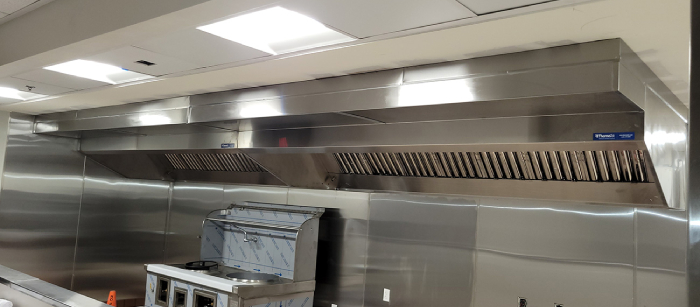
Engaging professional kitchen hood cleaning services is essential for maintaining a safe and efficient working environment. You can expect a detailed initial inspection where technicians assess the condition of your exhaust system. They will set up protective coverings to keep your kitchen tidy before disassembling components like filters and fans for a thorough cleaning. Using specialized agents, they tackle grease on both hoods and ducts, ensuring every inch is spotless. After reassembly, a final inspection confirms all areas are clean, leading to certification that proves compliance with safety standards. Regular upkeep not only enhances air quality but also minimizes fire risks; it’s vital for any commercial kitchen!
1. What is Kitchen Hood Cleaning?
Kitchen hood cleaning services is a vital process that involves the thorough removal of grease and grime from kitchen exhaust systems, which include hoods, ducts, and fans. This cleaning is not just about aesthetics; it plays a crucial role in maintaining optimal airflow and efficiency in commercial kitchens. Without regular cleaning, grease can accumulate, leading to potential fire hazards and unhealthy air quality. Professional services typically handle kitchen hood cleaning, specializing in the unique needs of commercial kitchens. The frequency of cleaning often depends on the cooking style and the volume of food prepared, making it essential to assess individual kitchen needs. Regular cleaning not only eliminates unpleasant odors but also significantly improves the air quality, creating a healthier environment for both kitchen staff and customers. Additionally, a clean kitchen hood enhances the overall appearance of the kitchen, contributing to a positive dining atmosphere. Kitchen hood cleaning is a key part of a broader maintenance routine that also includes cleaning other kitchen equipment. The process typically employs specialized equipment and safe cleaning agents to ensure thorough and effective results. Ultimately, kitchen hood cleaning is essential for safeguarding the health of kitchen staff and customers alike.
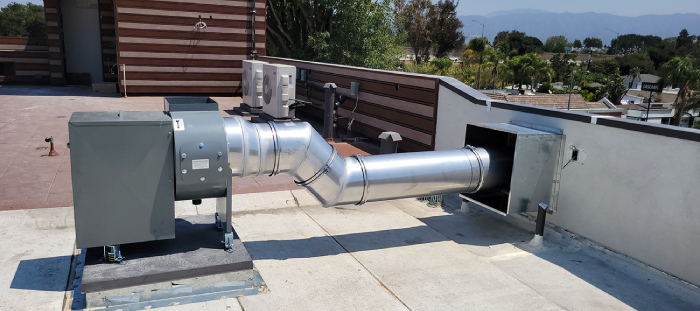
2. Steps in the Kitchen Hood Cleaning Process
The kitchen hood cleaning process begins with an initial inspection, where technicians assess the condition of the hood and ductwork. This step is crucial for identifying heavy grease buildup or any damage that needs attention. Next, the area is prepared by covering surrounding surfaces with protective materials like tarps and plastic sheets to prevent debris and cleaning solutions from causing a mess. Once the area is set, technicians disassemble various parts of the hood, including filters and fans, allowing for thorough access and cleaning.
The cleaning process utilizes high-pressure washing and specialized degreasers to effectively tackle grease and grime. The interior and exterior surfaces of the hood are scrubbed meticulously to ensure every stubborn spot is removed. The ductwork is also cleaned carefully to eliminate grease buildup, which is essential for maintaining proper ventilation. During this phase, the fans are inspected for functionality and cleaned, ensuring they operate efficiently.
After the cleaning is done, the components are reassembled carefully to ensure everything is intact. A final inspection is conducted to verify that all areas have been thoroughly cleaned and meet safety standards. Finally, documentation is provided, offering certification as proof of compliance with health and fire safety regulations. This comprehensive approach ensures that the kitchen hood not only looks clean but also functions safely and efficiently.
3. Tools Used for Kitchen Hood Cleaning
Kitchen hood cleaning requires a specialized set of tools to get the job done right. Technicians often rely on commercial-grade degreasers that break down the toughest grease and grime, ensuring that every surface sparkles. For those deep-cleaning tasks, high-pressure washing equipment is essential for tackling ductwork and hoods that have accumulated layers of dirt over time. Heavy-duty scrubbing pads and brushes help technicians scrub away stubborn residues, making the cleaning process more effective.
Safety is paramount, so technicians wear protective gear like gloves, masks, and goggles to shield themselves from harmful substances. To keep the kitchen environment clean during the process, tarps and plastic sheets are laid down to cover surfaces and protect kitchen equipment from debris and cleaning agents. After the main cleaning, squeegees and cloths are used for drying and ensuring a polished finish.
To reach those hard-to-see areas inside the ductwork, inspection cameras come into play, allowing technicians to assess any hidden grease buildup. Vacuum systems are also used to suck up debris and grease particles, ensuring a thorough cleaning. During reassembly, measuring tools help ensure that components are put back together correctly and securely. Finally, all cleaning processes are conducted with proper safety equipment to comply with health and safety regulations, ensuring a clean and safe kitchen environment.
- Commercial-grade degreasers that effectively break down grease and grime.
- High-pressure washing equipment for deep cleaning ductwork and hoods.
- Scrubbing pads and brushes designed for heavy-duty cleaning.
- Protective gear for technicians, including gloves, masks, and goggles.
- Tarps and plastic sheets to cover surfaces and protect kitchen equipment.
- Squeegees and cloths for drying and finishing touches post-cleaning.
- Inspection cameras to assess hard-to-reach areas inside ductwork.
- Vacuum systems designed for sucking up debris and grease particles during cleaning.
- Measuring tools to ensure components are reassembled correctly and securely.
- Safety equipment to ensure compliance with health and safety regulations during the cleaning process.
4. Frequency of Kitchen Hood Cleaning Services
The frequency of kitchen hood cleaning services can vary significantly based on how often the kitchen is used. For high-volume kitchens, such as those in busy restaurants, the National Fire Protection Association recommends cleaning every three months. This regular cleaning is essential to prevent grease buildup, which can pose serious fire hazards. On the other hand, moderate-use kitchens might find that a cleaning every six months is sufficient, while low-volume operations could potentially schedule cleanings annually. However, even low-volume kitchens should assess their specific needs, as factors like the type of food prepared and cooking methods, such as frying or grilling, can influence how quickly grease accumulates.
Establishments that serve fried foods should particularly prioritize more frequent cleanings due to the higher levels of grease produced. Regular inspections can also help determine if your kitchen might benefit from more frequent cleanings than initially planned. Additionally, local regulations might set minimum cleaning frequencies for commercial kitchens, making it crucial for operators to stay informed about their obligations. Scheduling cleanings during off-peak hours helps minimize disruption to kitchen operations. Ultimately, proactive cleaning not only enhances safety but can also prevent costly repairs and safety violations down the line.
5. What to Look for in a Cleaning Service?
When searching for a kitchen hood cleaning service, it’s essential to choose one with experience specifically in commercial kitchen hood cleaning. This expertise ensures they understand the intricacies of your system and the necessary precautions to take. Verifying their reputation through reviews and testimonials is a great way to gauge their reliability and quality of service. Look for certifications that demonstrate compliance with industry standards, as this shows they prioritize safety and professionalism.
It’s also crucial to inquire about the cleaning products they utilize. Ensure these products are not only effective but also safe for your kitchen environment. After the cleaning, ask if they provide documentation and certification for compliance purposes, as this is often required during inspections. Additionally, confirm that the service is insured and bonded. This protects you from liability in case of accidents during the cleaning process.
Look for well-trained technicians who are knowledgeable about kitchen hood systems, as their expertise can make a significant difference in the quality of the cleaning. Request a detailed quote outlining the services provided and pricing, which will help you avoid unexpected costs later on. Consider their availability and flexibility to work around your kitchen schedule, as this can minimize disruptions to your operations.
Lastly, a service that offers ongoing maintenance plans for regular cleanings can be a smart investment. This proactive approach ensures your kitchen hood remains in top condition, keeping your kitchen safe and compliant.
6. Common Issues Found During Cleaning
During kitchen hood cleaning, several common issues may be discovered that can impact the efficiency and safety of your kitchen. One of the most alarming problems is heavy grease buildup, which can obstruct airflow and significantly increase the risk of fire. Technicians often find deteriorating ductwork, which may require repair or even replacement to ensure the system functions correctly. Clogged filters are another frequent issue, as they can trap grease and require thorough cleaning or replacement.
Additionally, damaged fans or motors can hinder the exhaust system’s efficiency, leading to poor ventilation. Pest infestations may also be revealed during the cleaning process, with signs like droppings or nesting materials indicating an urgent need for pest control measures. Corrosion or rust in metal components due to moisture exposure is another concern, as it can compromise the integrity of the system.
Obstructed vents can affect air quality in the kitchen, making it uncomfortable for staff and potentially harmful to health. Technicians might encounter accumulated debris in hard-to-reach areas, which can often be overlooked during routine maintenance. Furthermore, improperly reassembled components can lead to leaks or inefficiencies, causing further issues down the line. Lastly, safety hazards like slips and falls due to grease on the floor can pose risks to staff, emphasizing the importance of thorough cleaning and maintenance.
7. Cost Factors for Kitchen Hood Cleaning
The cost of kitchen hood cleaning can vary significantly, influenced by several key factors. First, the size of the kitchen hood and the ductwork plays a crucial role. Larger systems typically require more time and effort to clean, leading to higher costs. Next, the level of grease buildup is another vital consideration. If the grease accumulation is extensive, it will demand more labor and time, further increasing the overall expense.
Location and accessibility are also important; for instance, cleaning hoods in high-rise buildings may incur additional charges due to logistical challenges. The complexity of the exhaust system is another factor that can drive up costs, as more intricate systems may require specialized cleaning techniques and tools.
Regular clients might benefit from discounts, as many cleaning services offer reduced rates for frequent cleaning. Additionally, if any repairs or equipment replacements are needed during the cleaning process, those will be added to the total cost. The choice of cleaning products and tools can also impact pricing; some services use eco-friendly or specialized cleaners that might cost more.
If you need emergency cleaning services, be prepared for a higher bill, as these often involve urgent scheduling and off-hours work. Seasonal demand can also affect prices, with peak times likely leading to increased costs. To ensure you get a fair deal, it’s wise to obtain multiple quotes, allowing you to compare both prices and the range of services offered.
8. How to Maintain Your Kitchen Hood?
To keep your kitchen hood in top shape, regular inspections are key. Check the hood and ductwork for any signs of grease buildup or damage, as this can lead to serious fire hazards. Make it a habit to clean the filters frequently; this not only ensures optimal airflow but also helps reduce unpleasant odors in your kitchen. Depending on how often you use your kitchen, scheduling professional cleaning services at regular intervals is crucial. For instance, busy restaurants may need cleaning every month, while less active kitchens might manage with quarterly cleans.
Training your kitchen staff to perform basic cleaning tasks daily can further prevent grease buildup. Simple actions like wiping down surfaces and checking for debris can make a huge difference. Additionally, maintaining a clean kitchen area minimizes fire risks and promotes safety.
Using proper cooking techniques, such as managing the heat and reducing splatters, can also minimize grease production. Installing grease cups or filters to catch excess grease before it enters the exhaust system is another smart move. Don’t forget to ensure that the ventilation system is functioning correctly, as proper airflow is essential for both safety and comfort.
Keeping records of all maintenance activities not only helps track cleaning schedules but also ensures compliance with local regulations. Staying informed about these regulations and adapting your maintenance practices accordingly is vital for a safe kitchen environment.
9. Understanding Kitchen Hood Cleaning Certifications
Certifications play a vital role in the kitchen hood cleaning industry, showcasing that a cleaning service meets essential safety and efficiency standards. The National Fire Protection Association (NFPA) has established guidelines that certified services must follow, ensuring that they are reliable and effective. For many businesses, obtaining certification is not just a mark of quality, it can also be a requirement for insurance coverage and passing health inspections. When searching for a cleaning service, it’s wise to choose one that provides certification upon completion of their work, as this indicates their commitment to professionalism and quality in kitchen maintenance.
Training and education programs for technicians often lead to these certifications, emphasizing the importance of skilled labor in maintaining safe kitchen environments. Moreover, regular audits are typically conducted to ensure that cleaning services maintain their certification status, adding another layer of accountability. Clients are encouraged to request proof of certification, which serves as a valuable tool for compliance verification, helping restaurants adhere to local health and fire safety regulations. Ultimately, understanding the nuances of certification helps establish trust between clients and service providers, ensuring that kitchens remain safe and compliant.
10. Benefits of Regular Kitchen Hood Maintenance
Regular kitchen hood maintenance comes with a host of impressive benefits that go beyond simple cleanliness. First and foremost, it significantly reduces the risk of fire hazards linked to grease buildup, which is a leading cause of fires in commercial kitchens. Keeping your kitchen hood clean is not just about aesthetics; it directly impacts safety. Additionally, consistent cleaning improves indoor air quality by eliminating smoke, grease vapors, and odors, creating a healthier environment for both staff and customers. This can lead to increased customer satisfaction and a more enjoyable dining experience.
Moreover, an efficient kitchen hood system enhances ventilation and airflow, which can lower energy costs. When your hood operates effectively, it requires less energy to maintain a comfortable temperature in the kitchen. Regular maintenance also helps avoid costly repairs or replacements of kitchen equipment that can arise from neglect. A clean hood contributes to the overall hygiene of the kitchen, reducing the likelihood of pest infestations that thrive in greasy environments.
Not only does a clean kitchen lead to better health outcomes, but it also boosts staff morale and productivity. Employees can work more efficiently in a clean and organized space, which can translate into better service for customers. Professional cleaning services often catch potential issues before they escalate, saving you from more significant problems down the line.
Documentation of regular maintenance can be a valuable asset during inspections and compliance verifications, ensuring your business meets health and safety standards. Finally, maintaining a clean kitchen hood reflects positively on your business’s reputation, showing clients that you prioritize safety, hygiene, and quality. In a competitive market, these factors can make all the difference.